






How Advanced Furnace Belts Improve PV Production Efficiency
In photovoltaic (PV) solar cell manufacturing, line throughput and cell efficiency are directly tied to thermal process precision. During the metallization and firing stages, screen-printed silver and aluminum pastes must be sintered onto silicon wafers under tightly controlled thermal profiles.
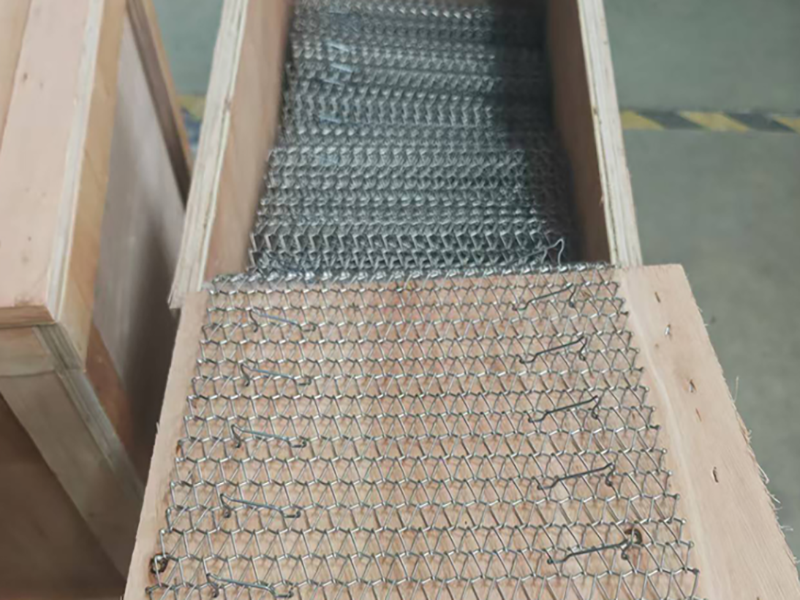
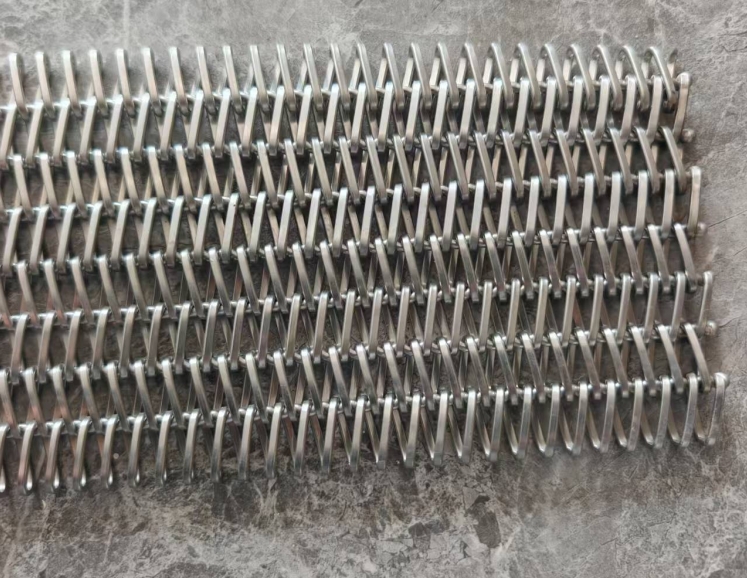
While much attention is given to heating elements, IR lamps, and temperature sensors, the conveyor mechanism driving wafers through high-temperature sintering furnaces plays a critical role in yield rates. The quality, stability, and thermal mass of your Furnace Mesh Belt directly determine temperature uniformity, micro-crack risks, and overall line efficiency.
Upgrading from standard industrial wire mesh to advanced high-temperature Furnace Belts offers significant advantages for modern solar cell manufacturing lines.
1. Thermal Mass Reduction and Energy Efficiency
In fast-firing thermal processes, the mesh belt acts as a continuous heat sink as it moves through heating zones and cooling chambers.
Standard, heavy-gauge wire mesh belts absorb a large amount of thermal energy. This high thermal mass creates two distinct engineering drawbacks:
Increased Furnace Power Draw: Heating elements must expend extra electrical power continuously heating the heavy belt matrix alongside the silicon wafers.
Slower Thermal Response: High thermal mass resists rapid temperature transitions across multi-zone firing furnaces, making it harder to maintain steep ramp-up and cool-down curves.
Advanced solar furnace belts utilize precision-engineered, ultra-thin high-temperature alloys. By reducing the mass-per-meter ratio without sacrificing tensile strength, these belts absorb far less parasitic heat. This allows the furnace to maintain precise temperature profiles with reduced energy consumption, directly lowering factory operating costs (watt).
2. Preventing Micro-Cracks and Surface Defect Rates
Silicon wafers used in modern N-type TOPCon, HJT, and PERC architectures are growing thinner while increasing in surface area (such as M10 and G12 wafer formats). Thin silicon wafers are highly susceptible to mechanical shock and thermal stress.
Traditional conveyor mesh can cause micro-fissures or surface contamination through three primary mechanisms:
Vibration from Belt Chattering: Uneven mesh pitch or poor sprocket engagement causes micro-vibrations along the drive train, leading to wafer misalignments or edge chipping inside high-temperature zones.
Thermal Distortion and Camber: Poorly alloyed wire warps under continuous thermal cycling (700℃ - 900℃), creating an uneven travel bed that concentrates pressure on fragile wafer edges.
Metallic Contamination: Inferior wire alloys scale and oxidize under rapid thermal cycles, dropping microscopic particles onto wafer surfaces that degrade photovoltaic conversion efficiency.
Precision furnace belts are manufactured using high-nickel/chromium alloys (such as Inconel and specialized heat-resistant stainless steels). Precision weaving ensures flat surface planarity, tight pitch consistency, and zero thermal camber, providing a smooth transport surface that minimizes mechanical wafer loss.
3. Optimizing Metallization and Sintering Quality
The front and back contacts on a solar cell require sharp thermal spikes—often heating to over 800℃ within seconds, followed by controlled fast cooling. This process establishes good ohmic contact between the silver paste grid and the emitter layer without punching through the shallow p-n junction.
High-performance furnace belts support this process by:
Maintaining Open Surface Area: Optimizing the open mesh ratio allows direct IR lamp radiation to hit both sides of the wafer evenly.
Consistent Belt Speed: Minimizing belt stretch ensures precise dwell time inside every furnace zone.
Stable Heat Transfer: Uniform wire density across the belt width prevents hot spots or cold zones, ensuring every cell across the conveyor lane receives identical thermal treatment.
4. Reducing Line Downtime and Maintenance Costs
In automated PV cell manufacturing, unscheduled furnace downtime stops the entire production line. Standard belts stretch continuously under thermal load, requiring frequent tension adjustments, edge trimming, and premature replacement cycles.
Advanced mesh belts undergo specialized pre-stretching and stress-relieving thermal treatments during fabrication. This process stabilizes wire grain structures before installation, preventing post-commissioning elongation and side-tracking. As a result, factory maintenance teams spend less time adjusting drive sprockets and more time running high-speed operations.
Engineered Conveyance Solutions by Huada Metal Mesh Belt
At Huada Metal Mesh Belt, we manufacture specialized high-temperature wire mesh conveyor belts engineered specifically for thermal processing, glass heat treatment, and photovoltaic solar cell production lines:
Solar Cell Sintering Belts: Crafted from high-purity, heat-resistant alloys that resist scaling, thermal deformation, and oxidation up to 1100℃.
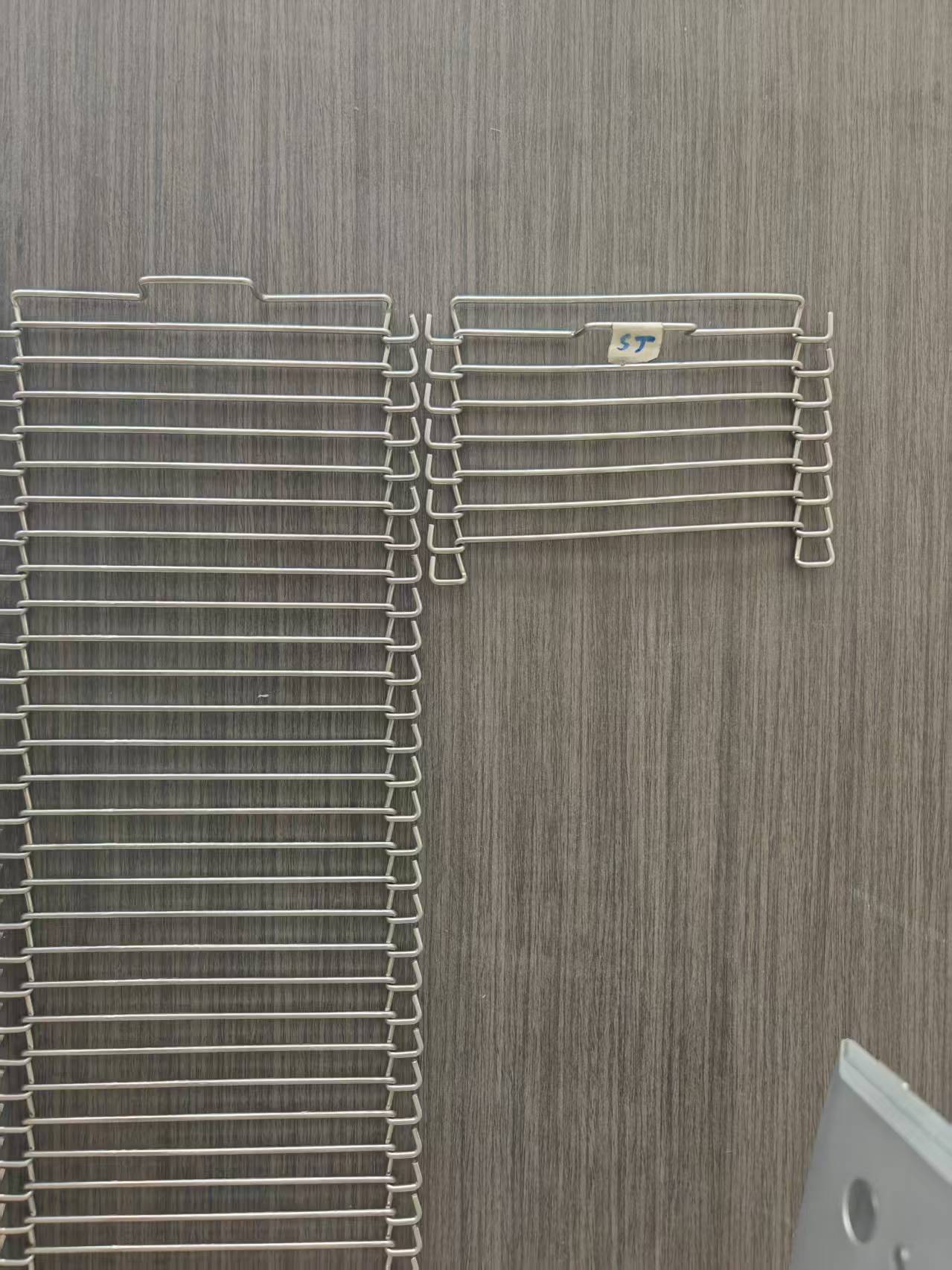
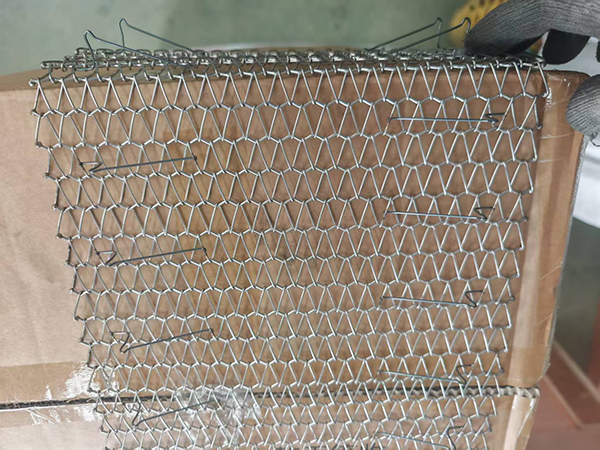
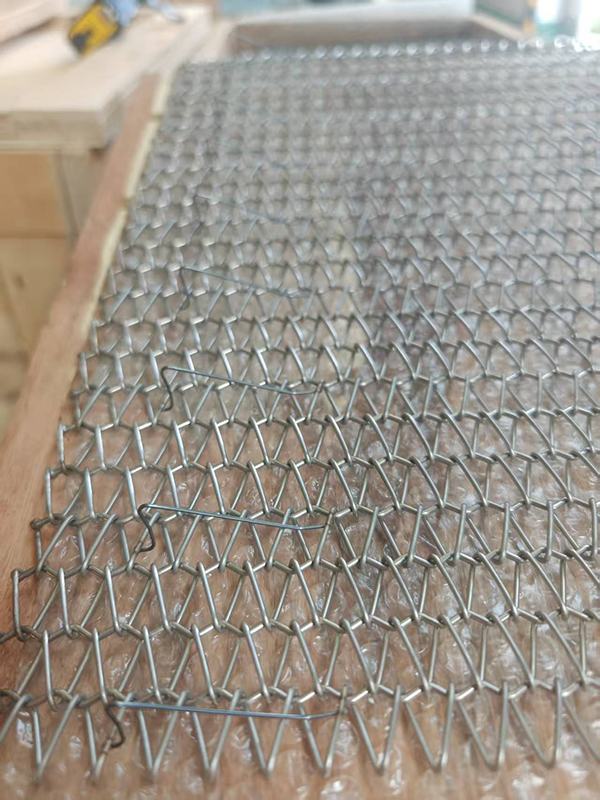
Precision Weave Stability: Our high-speed mesh weaving ensures smooth pitch, flat surface planarity, and minimal belt mass for optimized IR light transmission and temperature uniformity.
Custom Engineering Support: We supply custom mesh designs, spiral configurations, rod supports, and drive sprockets tailored to major furnace OEM specifications and replacement requirements.
Is your solar production line experiencing thermal inconsistencies or belt wear issues? Explore our complete range of high-temperature furnace belts at Huada Metal Mesh Belt or contact our engineering team to request detailed technical specifications and custom factory quotes.