






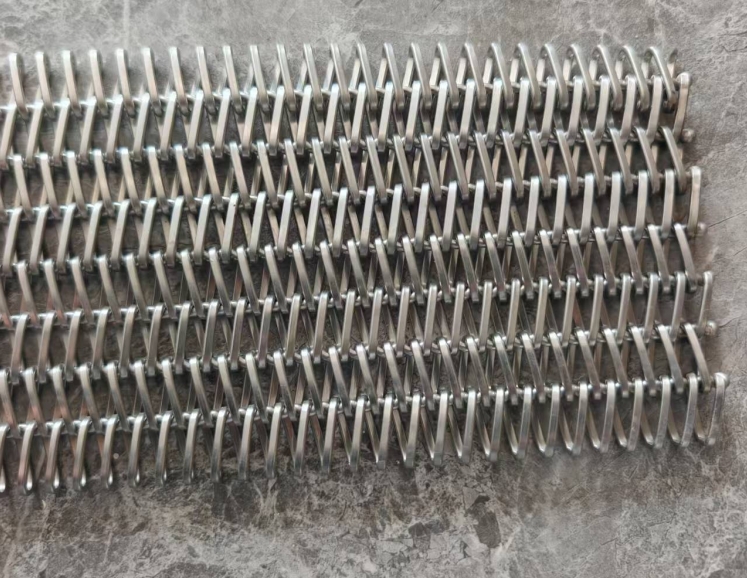
How Long Does a Solar Sintering Furnace Belt Last? Factors Affecting Service Life
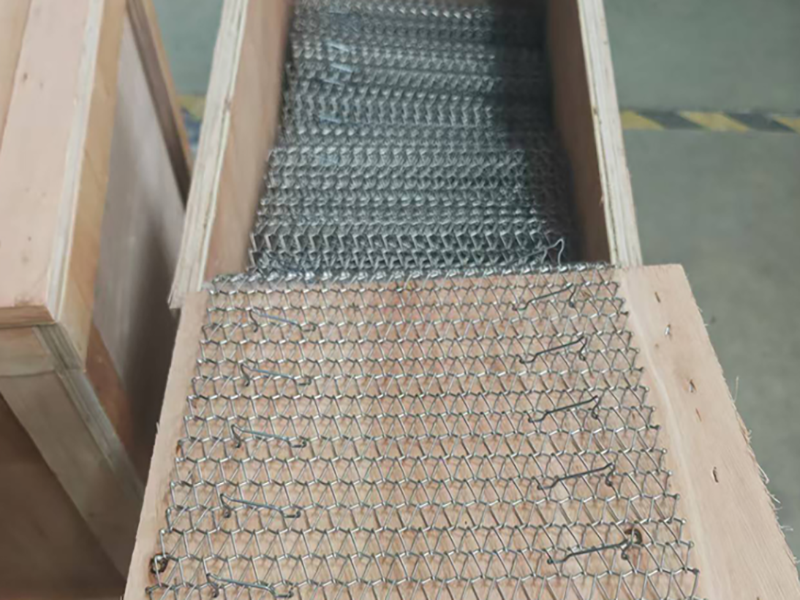
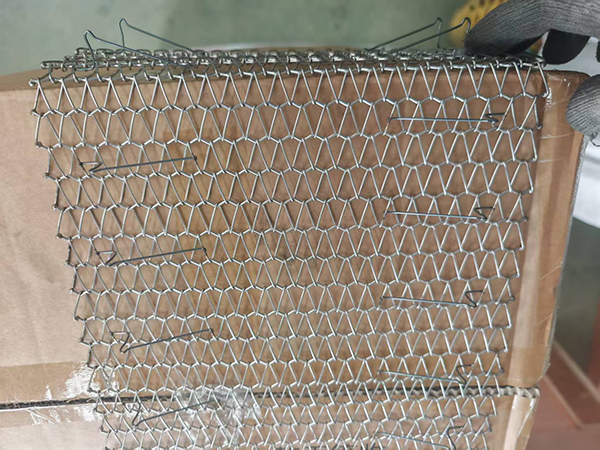
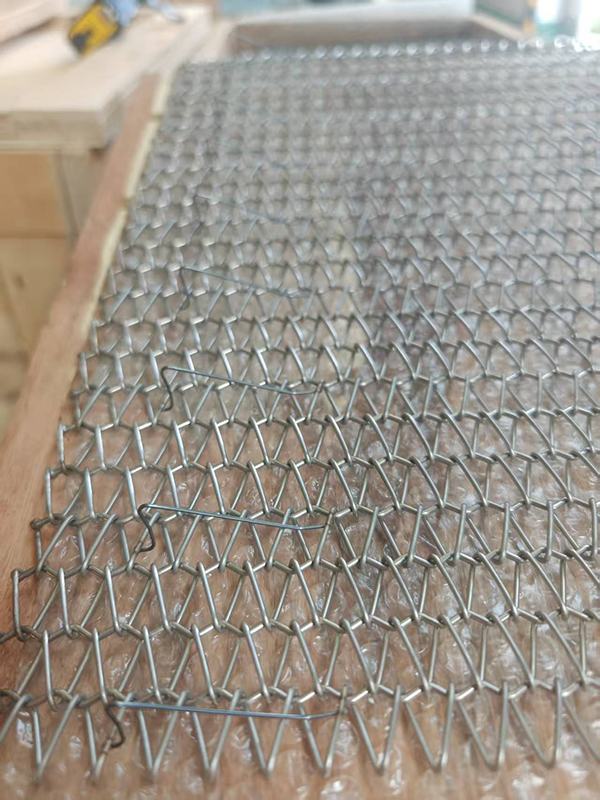
In photovoltaic (PV) cell manufacturing, the solar Sintering Furnace Belt is one of the most critical components in the firing process. Although it may appear to be a simple conveying part, its performance directly influences production efficiency, equipment downtime, and overall manufacturing costs.
Many solar cell manufacturers ask the same question before purchasing a new furnace belt:
How long can a solar sintering furnace belt last?
The answer depends on multiple factors, including material quality, furnace operating conditions, belt design, production load, and maintenance practices. A properly selected and manufactured high-temperature Mesh Belt can significantly reduce replacement frequency and improve the stability of PV production lines.
Typical Service Life of a Solar Sintering Furnace Belt
The service life of a solar sintering furnace belt is not determined by time alone. In actual production environments, some belts may experience premature failure due to unsuitable materials or incorrect operating conditions, while high-quality belts can maintain stable performance for a much longer period.
For PV manufacturing applications, Furnace Belts are usually exposed to:
- Continuous high-temperature operation
- Repeated heating and cooling cycles
- Mechanical tension during movement
- Contact with silicon wafers and support components
- Possible oxidation or chemical reactions inside the furnace
Because of these challenges, the lifespan of a solar furnace belt depends more on operating conditions than on a fixed replacement schedule. Selecting the right belt structure and alloy material is essential for achieving long-term reliability.
Key Factors That Affect Solar Sintering Furnace Belt Life
1. Material Quality and High-Temperature Performance
Material selection is the foundation of furnace belt durability.
Solar sintering furnace belts are commonly manufactured from high-temperature alloys such as:
- Cr20Ni80 nickel-chromium alloy
- AISI 314 stainless steel
- 310S stainless steel
These materials are selected because they provide excellent oxidation resistance, thermal stability, and mechanical strength under extreme temperatures. Global Mesh Belt supplies solar furnace belts using high-temperature materials designed for continuous PV production environments.
Low-quality materials may cause:
- Wire embrittlement
- Surface oxidation
- Cracking after thermal cycles
- Reduced belt flexibility
Although a lower-cost belt may seem attractive initially, frequent replacement and production interruptions often create higher long-term costs.
2. Furnace Temperature and Thermal Cycling
Temperature is one of the most important factors affecting belt life.
During solar cell firing, the furnace belt experiences continuous thermal expansion and contraction. Frequent temperature changes create stress inside the metal structure.
Factors that influence thermal fatigue include:
- Maximum furnace temperature
- Heating and cooling speed
- Number of daily production cycles
- Temperature uniformity inside furnace zones
A belt designed for ordinary industrial conveying may not withstand the demanding conditions of solar cell sintering.
For this reason, PV manufacturers usually choose specialized high-temperature Mesh Belts designed for stable operation under continuous furnace conditions.
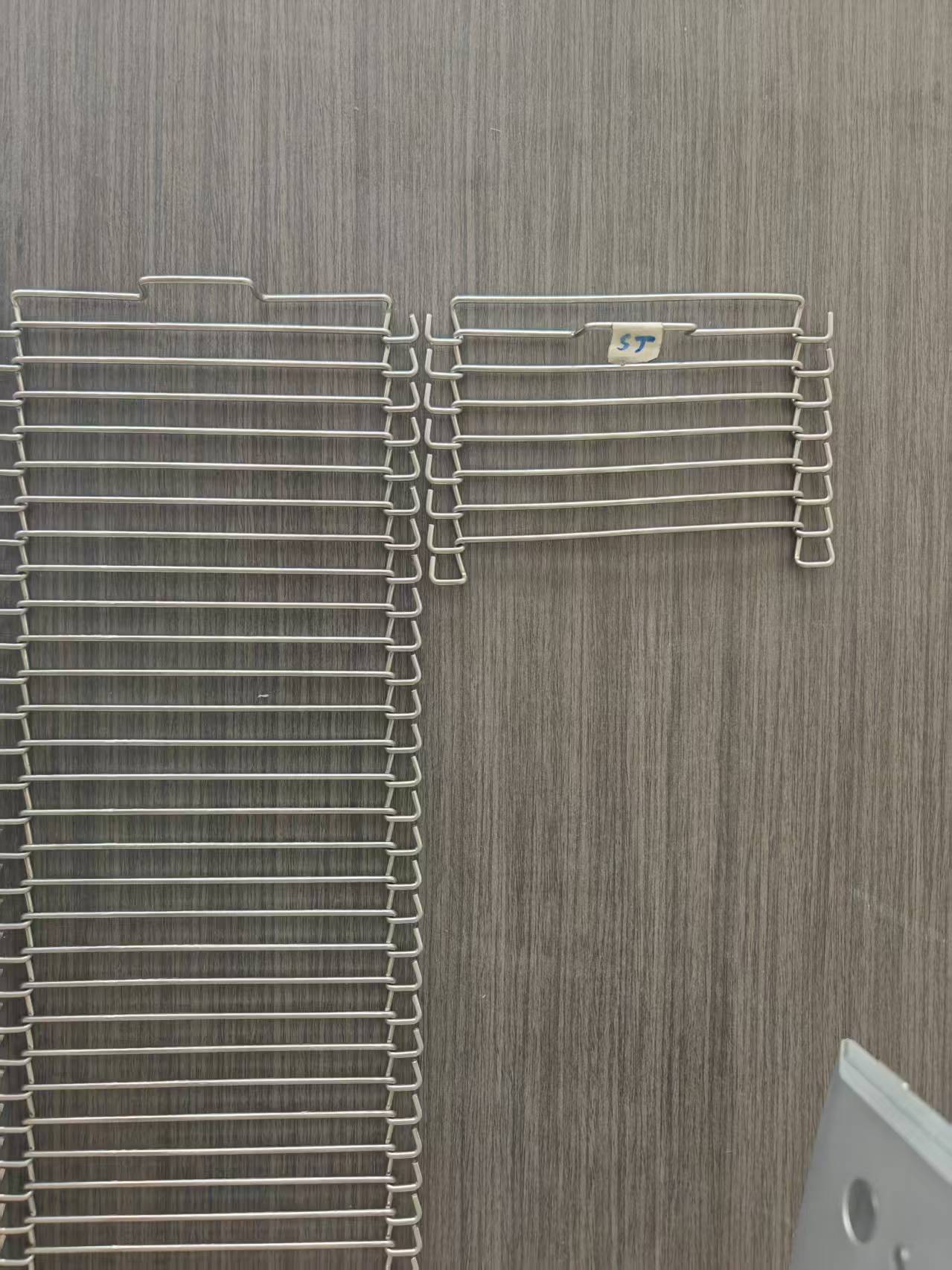
3. Belt Structure and Manufacturing Precision
Even with premium alloy materials, belt design and manufacturing accuracy play a major role in service life.
Important design factors include:
Mesh structure
The mesh opening must provide proper support for solar wafers while maintaining smooth movement.
Wire diameter
The wire diameter affects:
- Load capacity
- Heat resistance
- Mechanical strength
Welding quality
Poor welding points can become weak areas where cracks develop during long-term operation.
At Global Mesh Belt, manufacturing processes focus on precision forming, accurate welding, and customized belt structures according to different furnace requirements.
4. Production Conditions and Operating Load
The same furnace belt may have different service lives under different production environments.
Factors include:
- Daily operating hours
- Conveyor speed
- Product weight
- Furnace atmosphere
- Cleaning conditions
For example, a high-volume solar factory running 24/7 production requires a belt with stronger fatigue resistance compared with a smaller production line operating intermittently.
Before selecting a replacement belt, manufacturers should provide details such as:
- Furnace model
- Belt width and length
- Operating temperature
- Production capacity
- Existing belt problems
This information helps suppliers recommend the most suitable solution.
5. Proper Maintenance and Regular Inspection
Although solar sintering furnace belts are designed for long-term operation, regular maintenance can help extend service life.
Recommended practices include:
Regular belt inspection
Check for:
- Broken wires
- Belt deformation
- Edge damage
- Abnormal vibration
Monitor belt alignment
Incorrect alignment may cause:
- Uneven wear
- Edge friction
- Premature failure
Maintain proper furnace conditions
Stable temperature control and clean operating conditions help reduce unnecessary stress on the belt.
Preventive maintenance is usually much more cost-effective than emergency replacement after unexpected belt failure.
How Global Mesh Belt Helps Extend Furnace Belt Service Life
Choosing the right supplier is as important as choosing the right material.
Global Mesh Belt specializes in manufacturing high-temperature metal conveyor belts for demanding industrial applications, including solar sintering furnace belts for PV cell manufacturing.
The company provides:
- Customized belt dimensions
- High-temperature alloy materials
- Precision mesh structures
- Solutions for different PV production requirements
Whether for PERC, TOPCon, or other advanced solar cell manufacturing processes, selecting a properly engineered furnace belt can help manufacturers improve production stability and reduce downtime.
The service life of a solar sintering furnace belt depends on much more than the belt itself. Material selection, furnace temperature, belt design, production conditions, and maintenance all influence durability.
For solar manufacturers, the goal should not simply be choosing the cheapest replacement belt, but selecting a reliable solution that provides stable performance, lower maintenance costs, and long-term production efficiency.
By working with an experienced solar sintering furnace belt manufacturer, PV companies can achieve better process reliability and maximize the return on their production equipment investment.