


How Long Does a Solar Sintering Furnace Belt Last?
For plant managers, process engineers, and maintenance directors, one critical question directly impacts production continuity and cost control: How long does a solar sintering Furnace Belt typically last, and what factors determine its operational lifespan?
1Average Lifespan Expectations
Under standard continuous production conditions, a high-quality solar sintering furnace mesh belt typically lasts between 6 to 18 months.
However, actual service life varies considerably depending on alloy quality, furnace line speed, thermal cycle intensity, and daily preventative maintenance practices.
2Key Factors Influencing Mesh Belt Longevity
Sintering furnace belts operate under demanding physical and thermal environments. Several core operational factors dictate how quickly thermal fatigue and mechanical wear set in:
Alloy Composition & High-Temperature Oxidation: Solar sintering requires rapid temperature ramps up to 800°C–900°C. High-grade alloys such as specialized nickel-chromium (NiCr) or iron-chromium-aluminum (FeCrAl) form a stable, protective oxide scale that resists thermal degradation and wire embrittlement.
Thermal Shock & Fast Cycling: Solar sintering lines run at high speeds with steep ramp rates. Frequent thermal expansion and contraction stress the wire mesh weaves, eventually causing wire stretching, pitch distortion, or localized micro-cracking.
Drive Tension & Belt Alignment: Excessive mechanical tension accelerates creep deformation (permanent wire elongation at elevated temperatures), while mistracking causes edge fraying, uneven load wear, and premature mechanical failure.
Atmosphere & Chemical Exposure: Volatile organic compounds burned off during silver and aluminum paste firing can deposit on the wire mesh. Without proper burnout zone exhaust ventilation, chemical residues degrade the wire surface over time.
3Practical Tips to Extend Solar Sintering Belt Service Life
| Maintenance Focus | Best Practice for Longer Belt Life |
|---|---|
| Tension Adjustment | Maintain minimal drive tension necessary to prevent slippage without over-stretching hot wires. |
| Thermal Ramping | Avoid abrupt furnace heating or cooling; follow controlled preheating ramps during startup and shutdown. |
| Periodic Inspection | Monitor belt weave pitch uniformity, drive sprocket tooth engagement, and edge welds regularly. |
4Precision-Engineered Conveyor Solutions by Global Mesh Belt
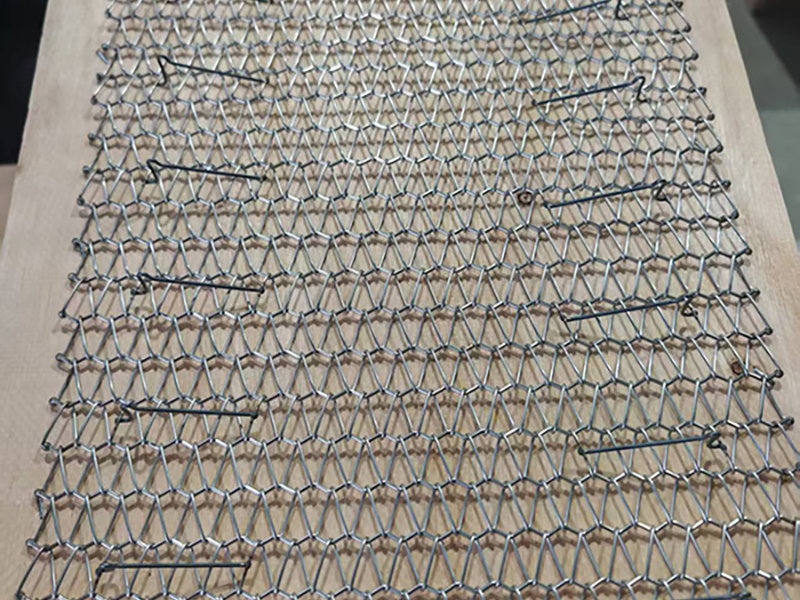
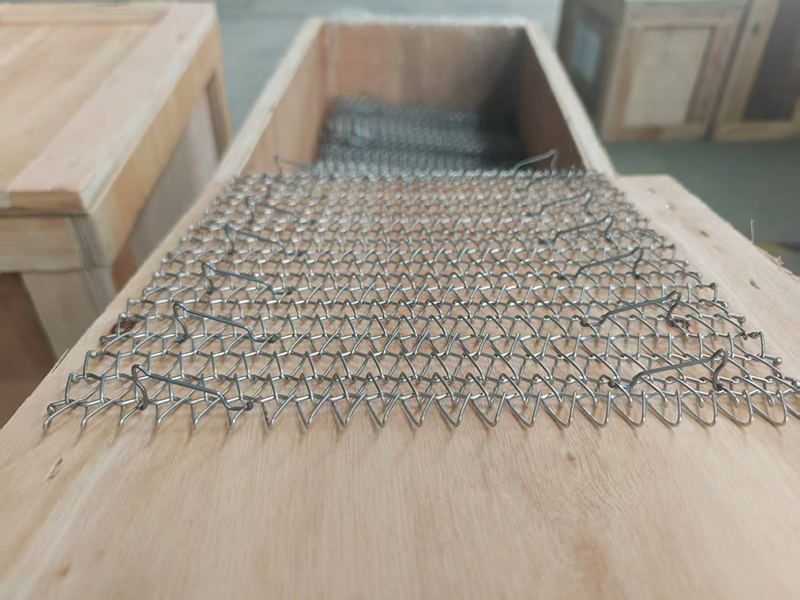
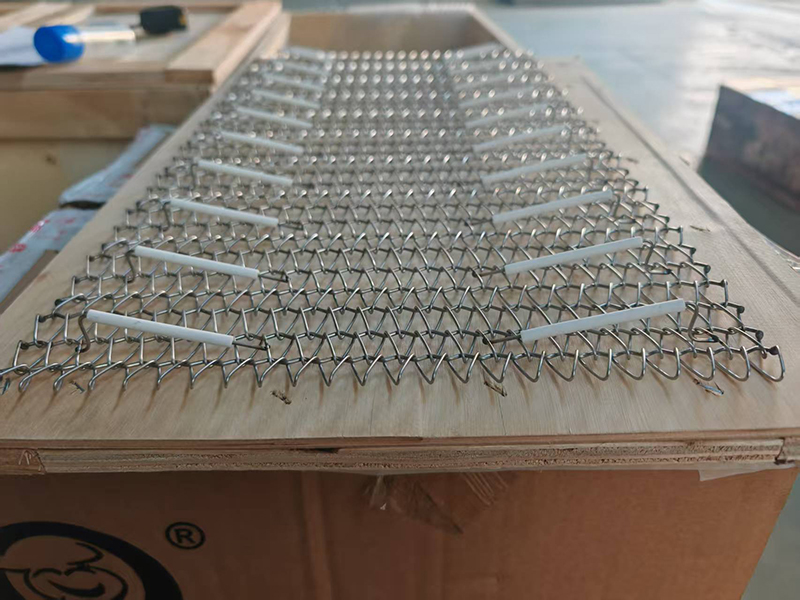
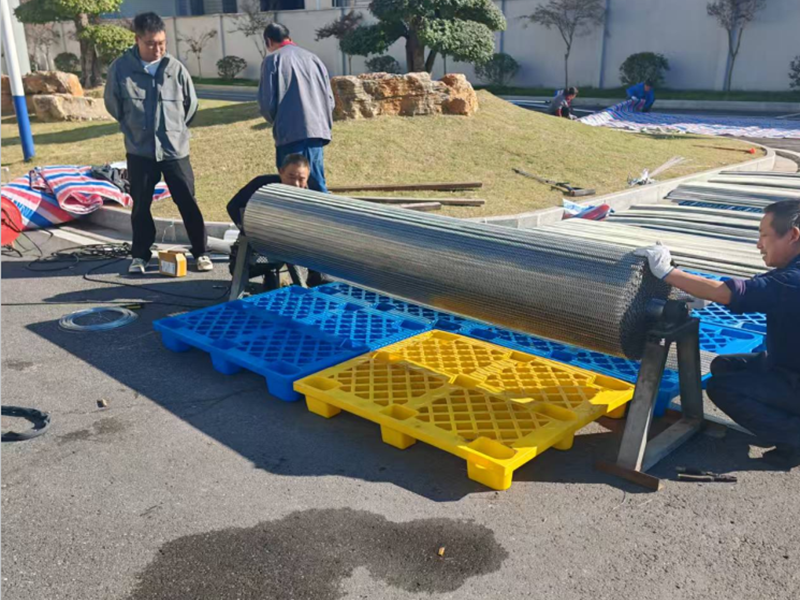
Maximizing furnace throughput while minimizing unscheduled downtime requires high-precision belt manufacturing. At Huada Metal Mesh Belt, we engineer high-temperature stainless steel and specialized alloy mesh belts designed specifically for photovoltaic sintering, annealing, and metallization firing furnaces.
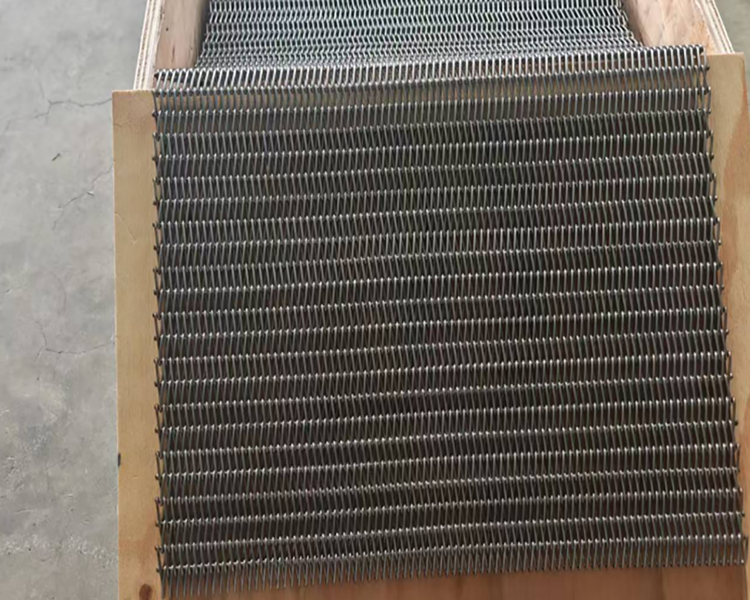
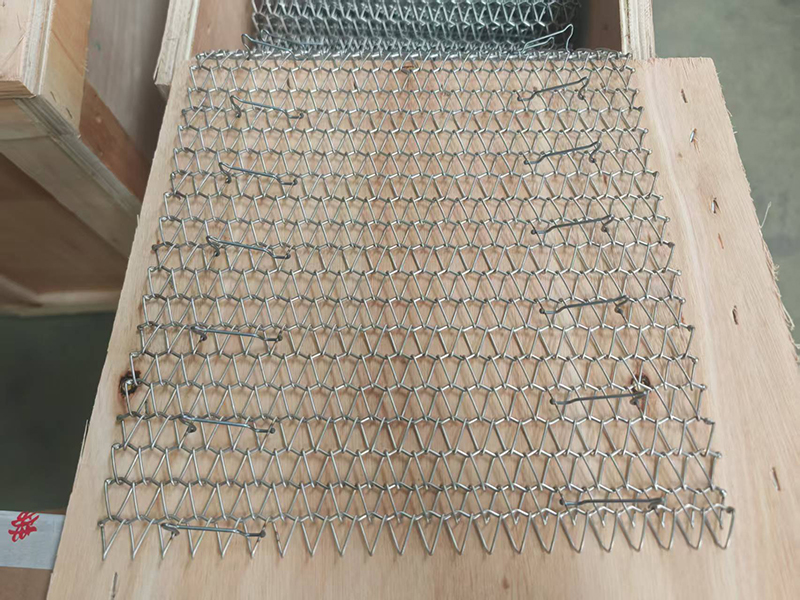
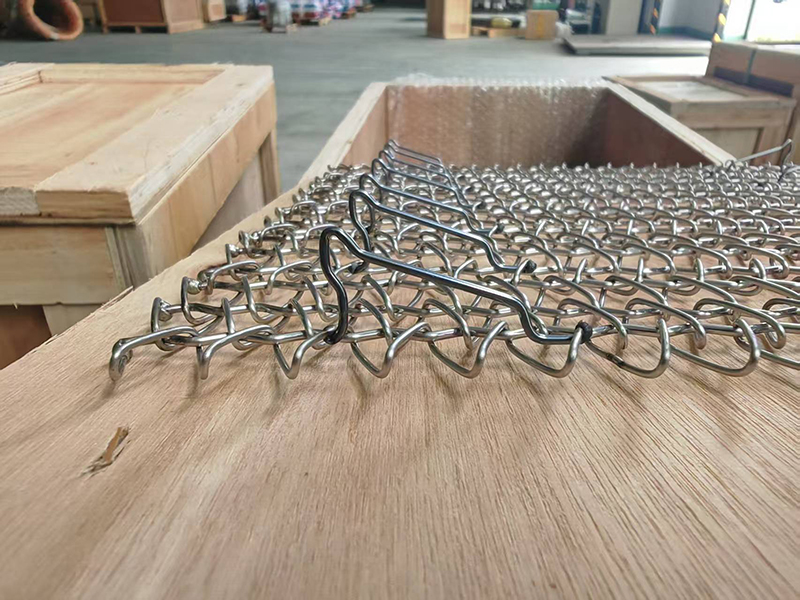
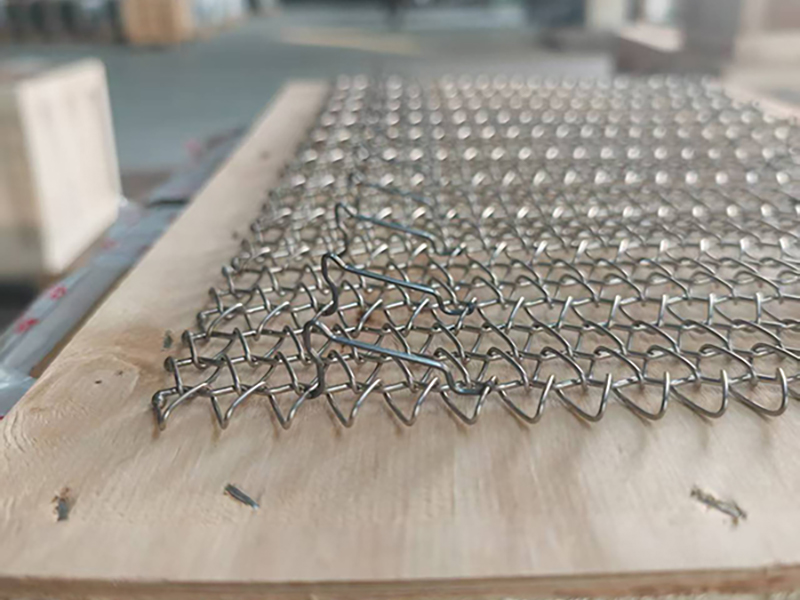
Our solar sintering mesh belts are manufactured using premium high-temperature alloys with precise pitch weave consistency, smooth surface flatness, and reinforced edge welding. This reduces vibration during high-speed wafer transport, minimizes micro-cracks on delicate silicon cells, and delivers extended, predictable belt operational lifespans.
Ready to optimize your solar manufacturing throughput? Explore our complete range of high-temperature mesh belt solutions for photovoltaic production lines today at www.globalmeshbelt.com.