


How Much Does a Solar Sintering Furnace Belt Cost?
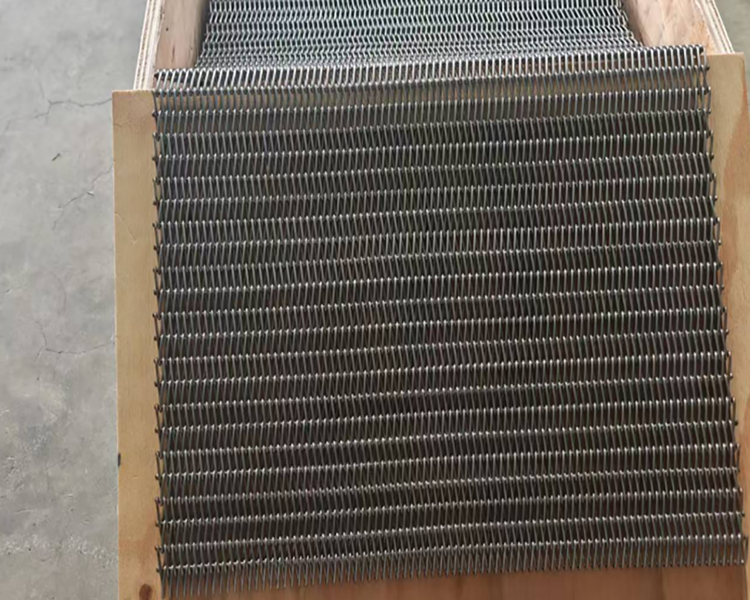
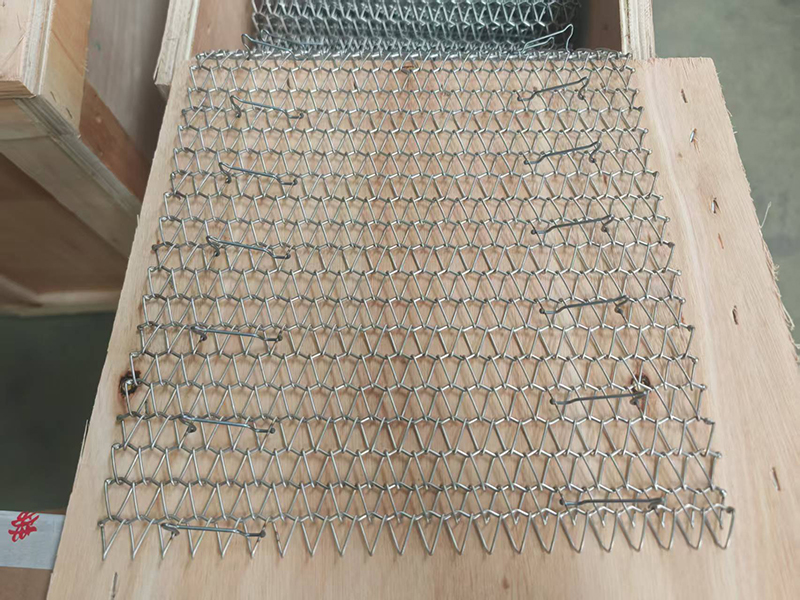
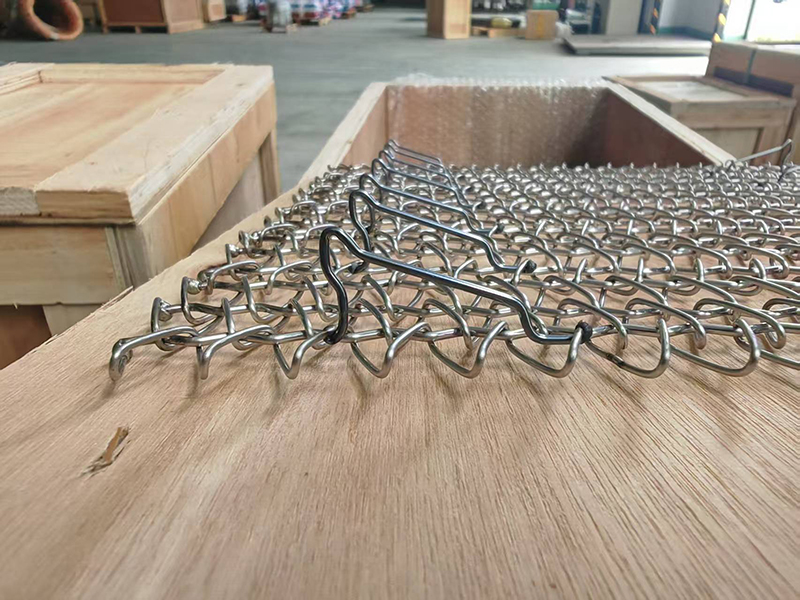
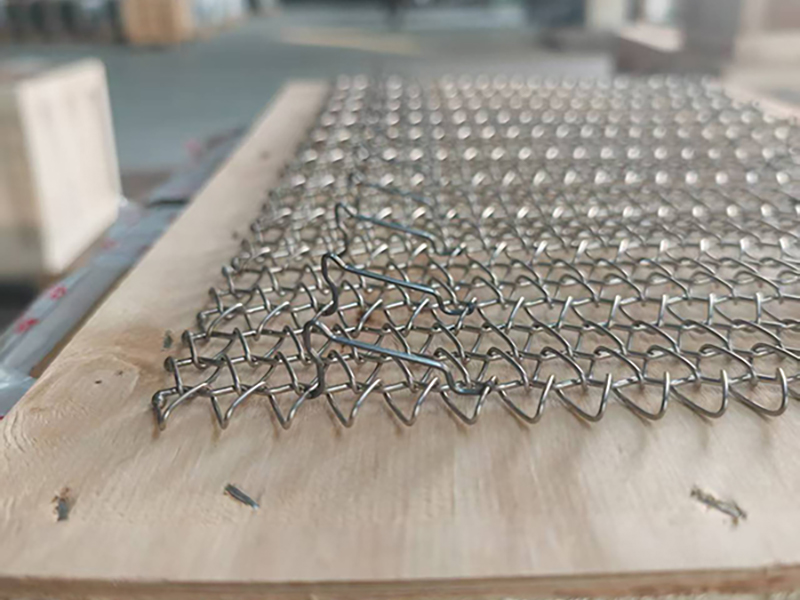
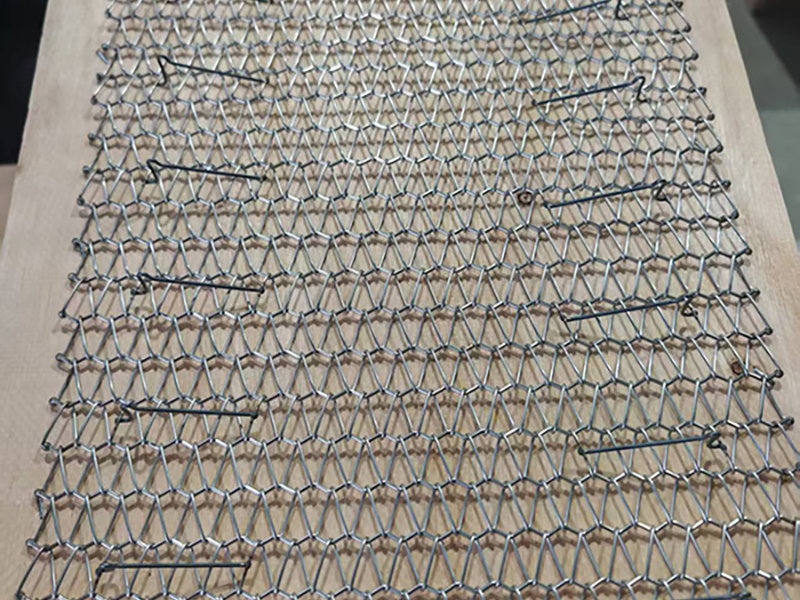
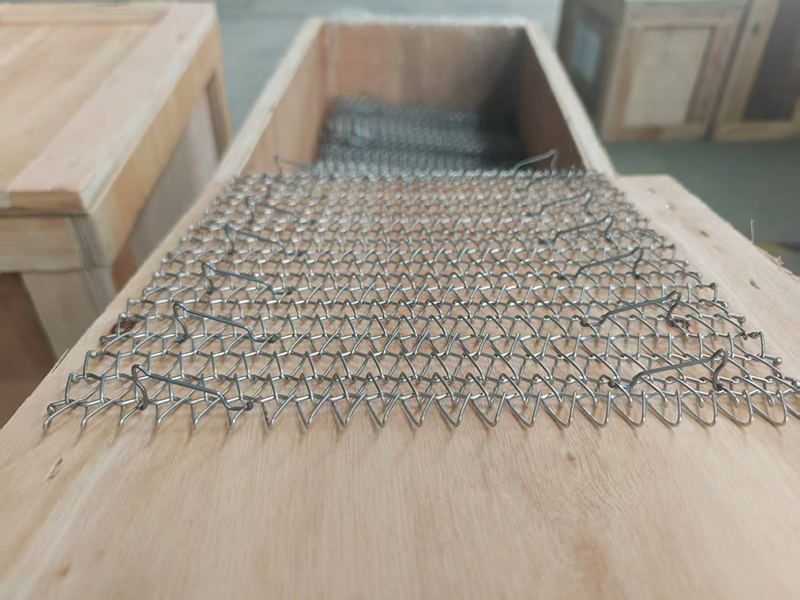
When manufacturing photovoltaic (PV) solar cells, sintering is a crucial phase where metallic contacts are firing-bonded onto silicon wafers at extreme temperatures. At the center of this high-precision process is the solar sintering Furnace Mesh Belt—a component that must deliver smooth, vibration-free transport while resisting thermal shock and high-temperature oxidation.
If you are evaluating procurement options for your solar cell manufacturing line, a common initial question is: How much does a high-temperature solar Sintering Furnace Belt actually cost?
Because these Metal Mesh belts are custom-engineered components, prices can range anywhere from a few hundred dollars for standard replacement lengths to several thousand dollars for specialized high-volume production setups. Below are the key drivers that dictate the total investment cost.
1. High-Temperature Alloy Selection
The primary driver of mesh belt cost is material metallurgy. Solar cell sintering furnaces operate at rapid heating ramps and elevated thermal zones, requiring high-grade heat-resistant alloys to prevent sagging, creep, or premature oxidation.
2. Weave Type, Mesh Density, and Precision Tolerances
The physical construction of the belt directly influences both raw material weight and manufacturing labor complexity.
3. Belt Dimensions and Custom Edge Treatments
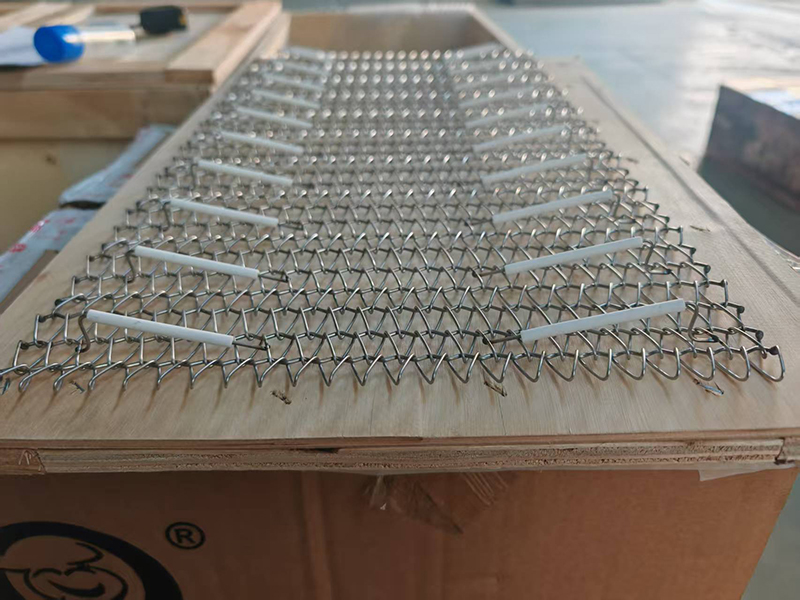
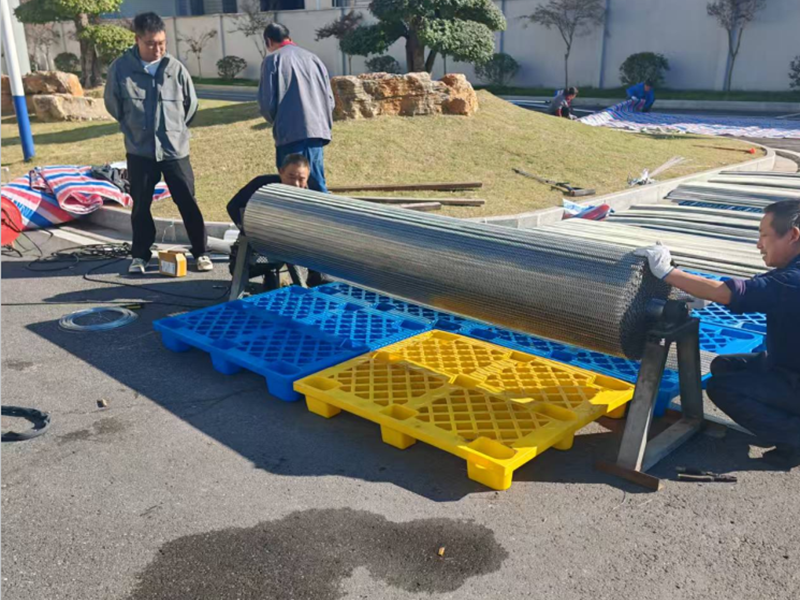
Pricing scales naturally with length and width. Beyond basic square footage, custom features affect total cost:
4. Total Cost vs. Operational Lifetime Value
Focusing solely on purchase price can be misleading in solar cell manufacturing. A lower-cost, inferior mesh belt that fails prematurely causes line stoppages, scrap wafers, and expensive downtime.
Investing in a premium mesh belt engineered for optimal tensile strength and thermal stability maximizes operational uptime, reduces replacement frequency, and lowers your total cost per processed wafer.
Finding the Right Belt for Your Facility
At Huada Metal Mesh Belt, we engineer and manufacture custom high-temperature woven wire mesh belts tailored for solar cell sintering, annealing, and heat-treatment furnaces across the globe. Our engineering team ensures that every belt matches your furnace specs, operational temperatures, and budget constraints.
Ready to get an accurate price quote for your production line? Visit us at Huada Metal Mesh Belt or send your technical specifications directly to our sales engineering team today.