






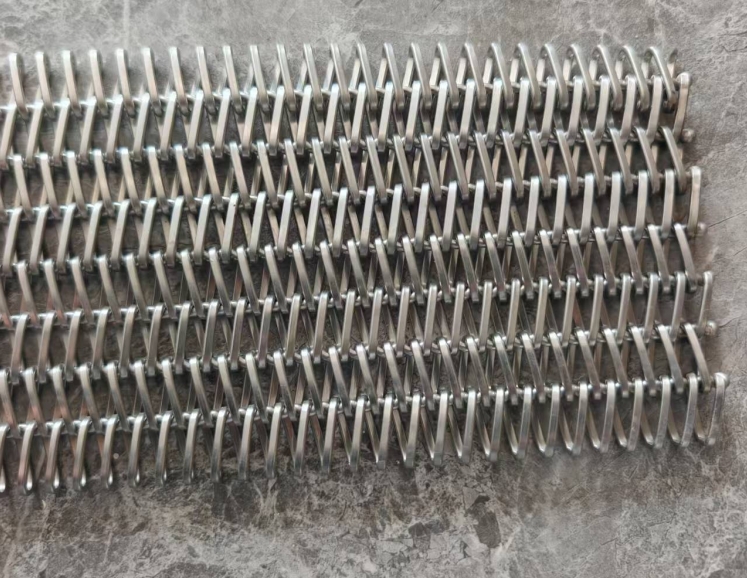
How to Choose a Durable Furnace Belt for Solar Applications
The manufacturing of solar cells and photovoltaic (PV) modules requires exceptionally precise and harsh thermal processing environments. From wafer metallization to firing and sintering, Industrial Conveyor Belts must endure continuous thermal cycling, mechanical tension, and chemical exposure without losing structural integrity. Selecting an incorrect or low-grade furnace belt leads to rapid deformation, product contamination, and unscheduled line stoppages that cripple factory throughput.
For manufacturing engineers and B2B procurement professionals in the solar sector, sourcing the right mesh configuration and alloy grade is essential. Here is a definitive technical guide to choosing a durable furnace belt optimized for high-temperature solar processing applications.
1Prioritize Advanced High-Temperature Alloys
Solar cell firing furnaces operate at elevated temperatures, frequently peaking between 800℃ and 1000℃. Standard stainless steels quickly succumb to oxidation, scaling, and creep deformation under these conditions.
To ensure long-term durability, you must specify advanced, heat-resistant nickel-chromium alloys. Materials such as Nichrome V (80/20) or specialized Inconel grades are highly recommended. These alloys form a protective, tightly adherent chromium oxide layer that prevents further atmospheric degradation, ensuring the belt remains dimensionally stable over thousands of thermal cycles.
2Evaluate Mesh Density and Airflow Dynamics
The geometric configuration of the Wire Mesh directly impacts thermal efficiency. In solar applications, uniform heat distribution across the entire surface of the silicon wafer is non-negotiable for consistent electrical performance.
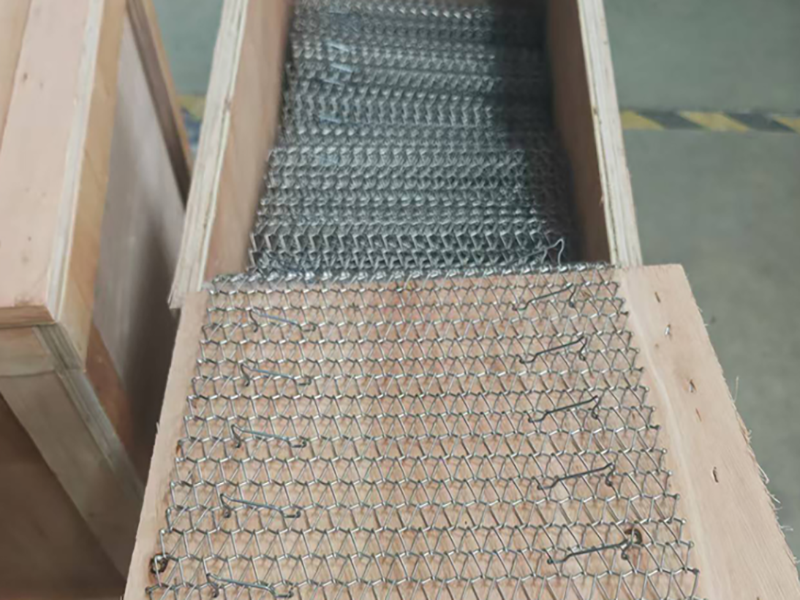
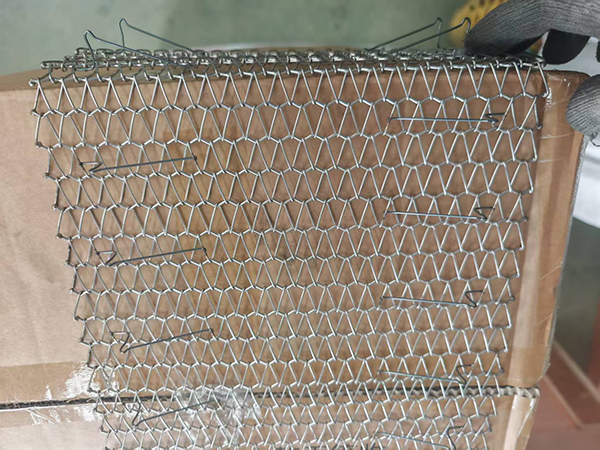
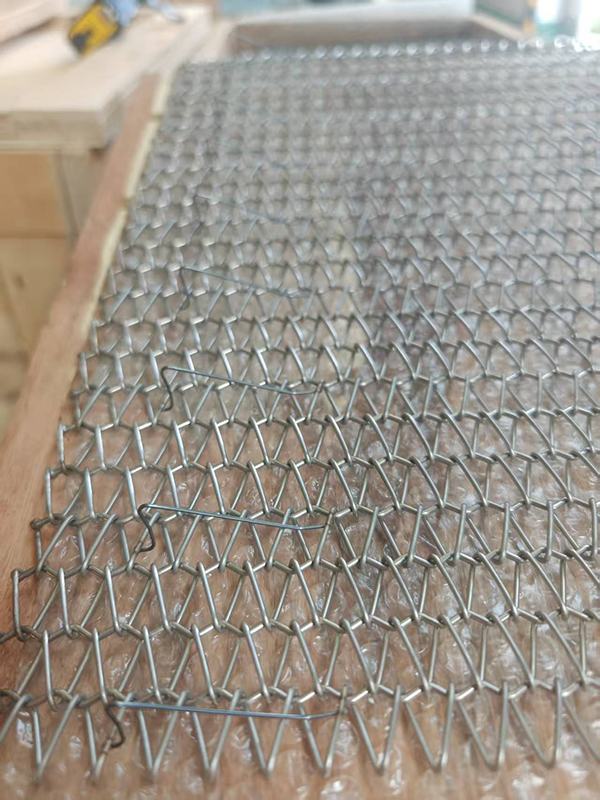
Open Mesh Designs: Balanced weave or composite balanced weave patterns with optimized open areas facilitate maximum airflow and radiant heat penetration. This ensures rapid, uniform heating across the wafer.
Wafer Stability: While airflow is critical, the mesh must provide a completely flat, stable, and vibration-free conveying surface. Micro-vibrations or uneven surfaces during the firing phase can cause micro-cracks in the fragile silicon, immediately ruining the cell's efficiency.
3Opt for Anti-Contamination and Smooth Edge Finishes
Solar manufacturing demand cleanroom-like hygiene standards within the thermal chamber. Any material shedding, flaking, or carbon deposition from the conveyor belt will contaminate the solar cell surfaces, ruining the delicate anti-reflective coatings and contact fingers.
- Pre-Oxidized Belts: Choosing belts that undergo specialized pre-oxidation treatments ensures the protective oxide layer is fully formed before production begins, eliminating initial scaling risks.
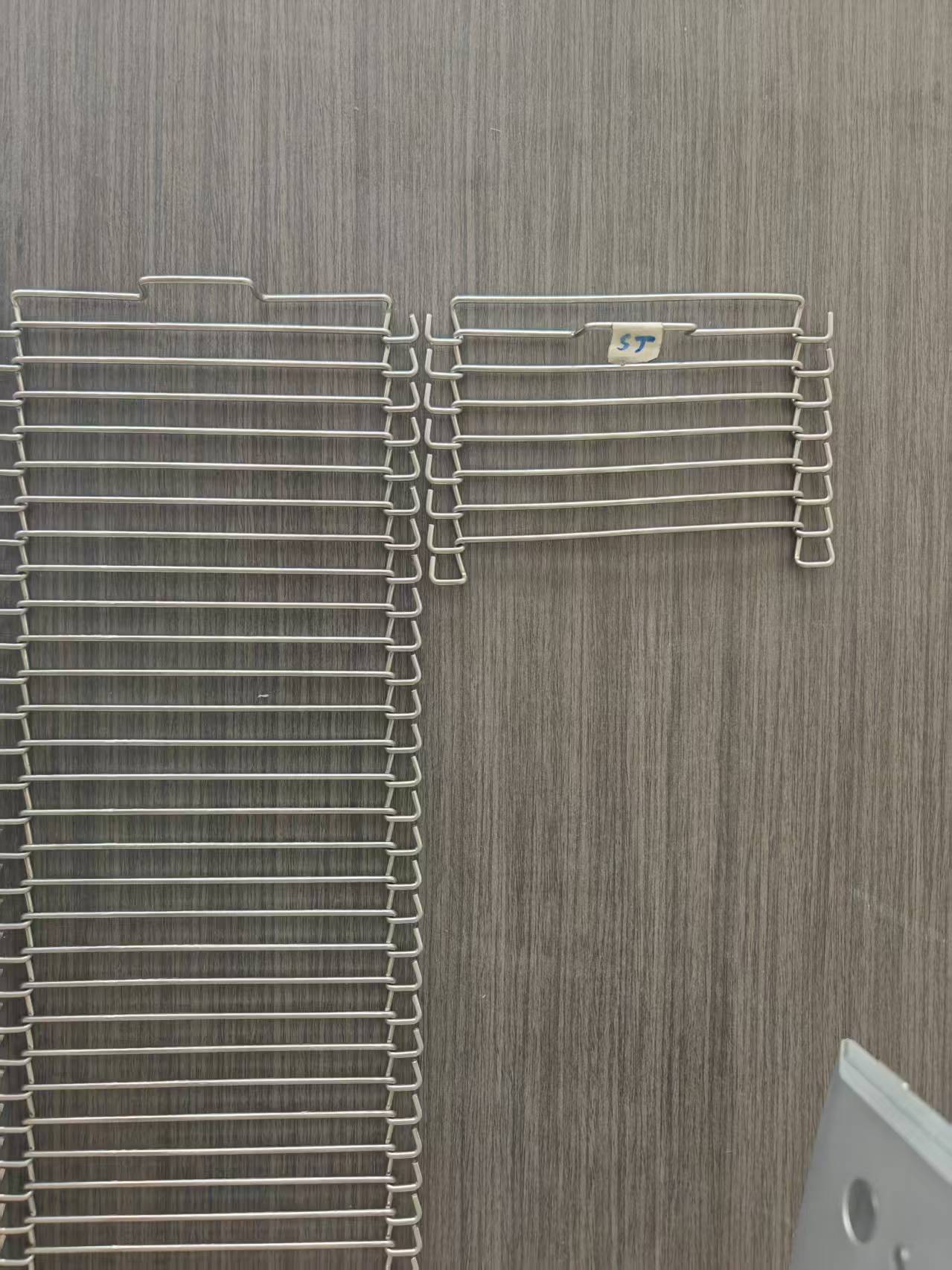
- Welded or Knuckled Edges: Ensure the belt features precision-engineered welded or knuckled edges. This prevents edge fraying, snagging against furnace walls, and the shedding of microscopic metallic debris into the heating zone.
4Analyze Mechanical Tension and Drive Compatibility
A belt that stretches or slips under load disrupts precise timing sequences inside the firing furnace. Work closely with your supplier to calculate the correct tension parameters based on your specific furnace length and operational speeds. Utilizing matching, precision-machined sprockets or positive drive systems prevents tracking issues and reduces localized mechanical stress on the wire mesh joints.
Scale Your Solar Production with Global Mesh Belt
Navigating the extreme thermal demands of photovoltaic manufacturing requires a conveyor solution engineered specifically for high-precision, zero-contamination environments.
At Huada Metal Mesh Belt, we design and manufacture elite-grade metal mesh belts, high-temperature furnace belts, and customized industrial conveyor solutions tailored for the global solar energy market. Our engineering team utilizes premium heat-resistant alloys and precise manufacturing tolerances to deliver maximum service life and flawless thermal processing efficiency. Protect your solar manufacturing lines from costly downtime. Explore our full range of technical capabilities and request a custom engineering consultation today by visiting www.globalmeshbelt.com.