


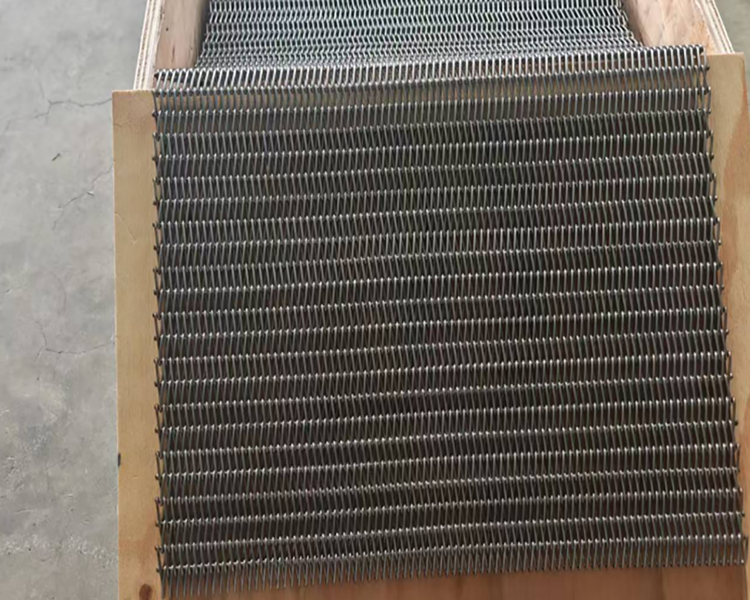
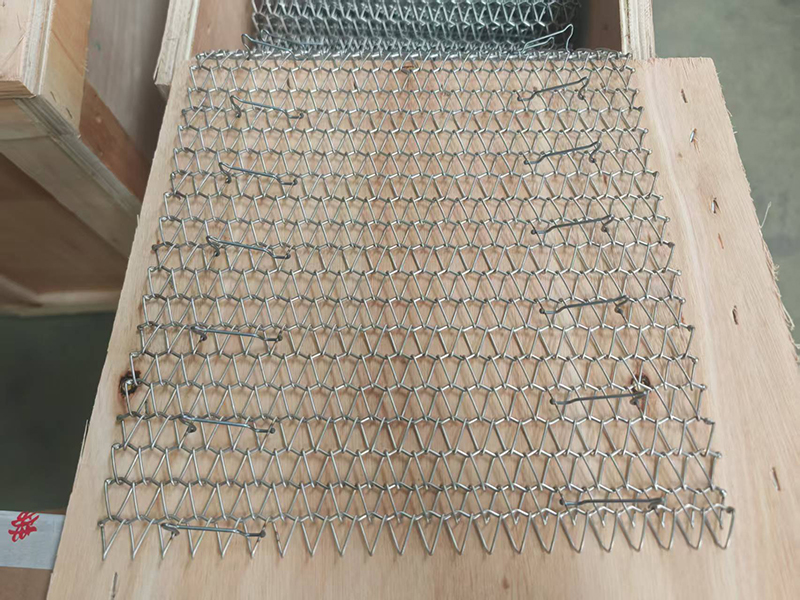
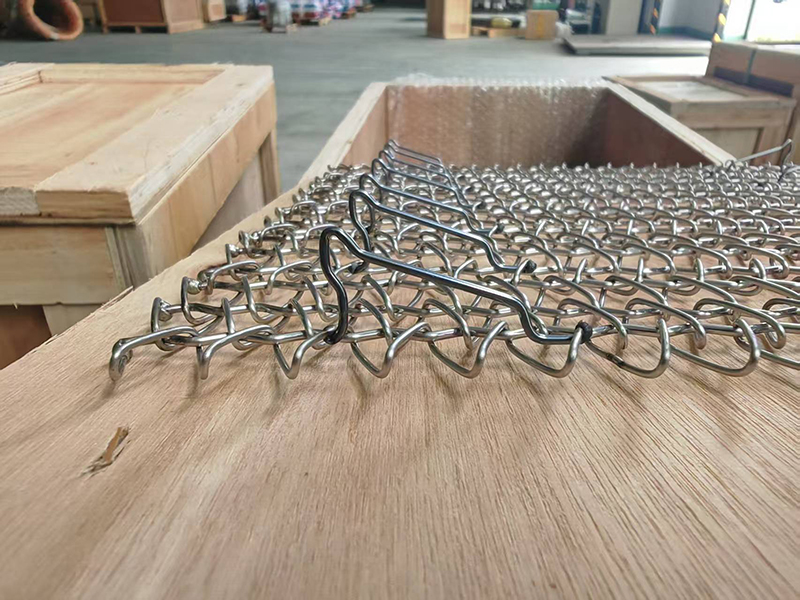
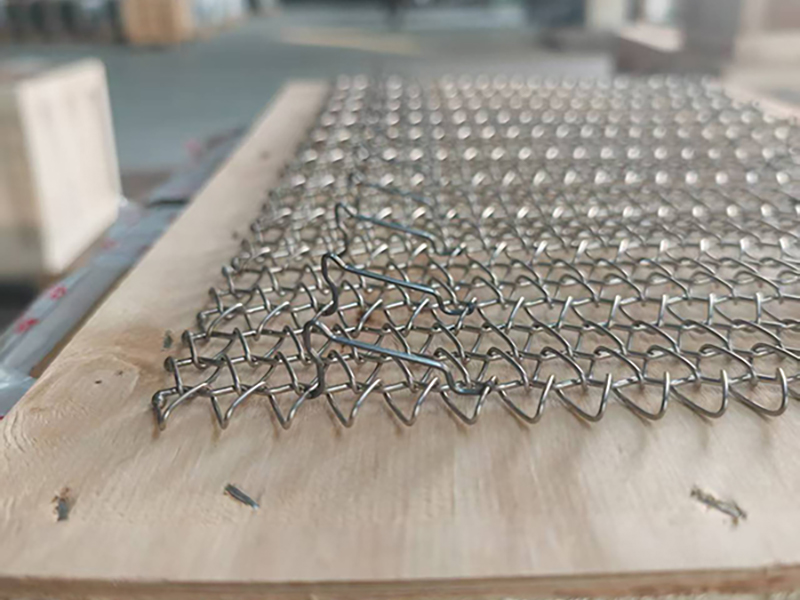
How to Choose the Right Material for Solar Sintering Furnace Belts?
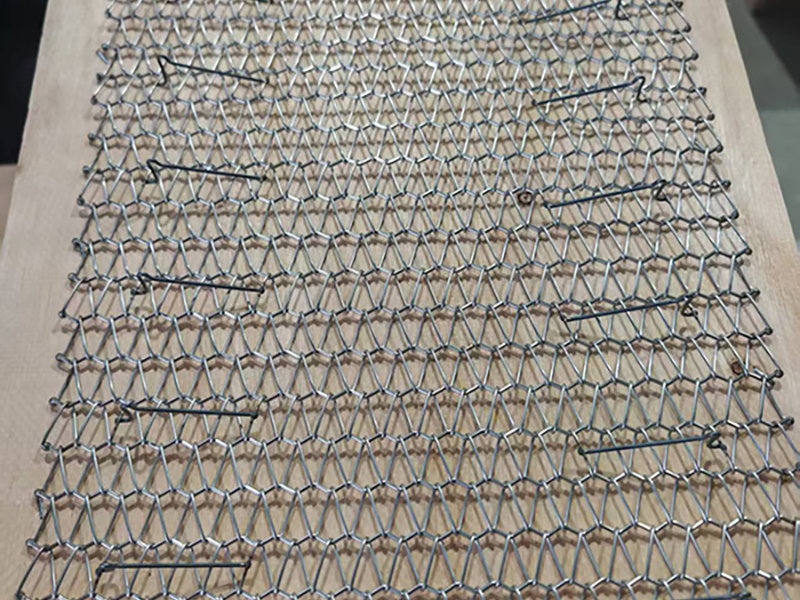
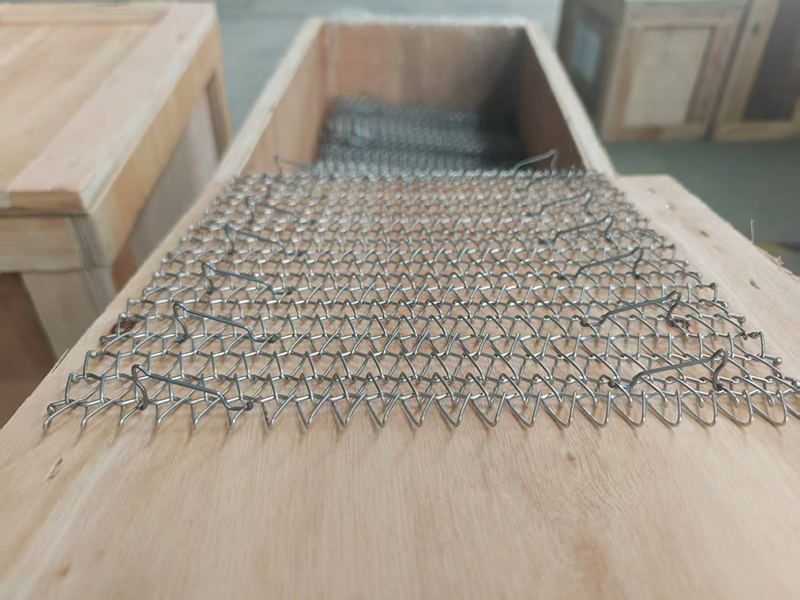
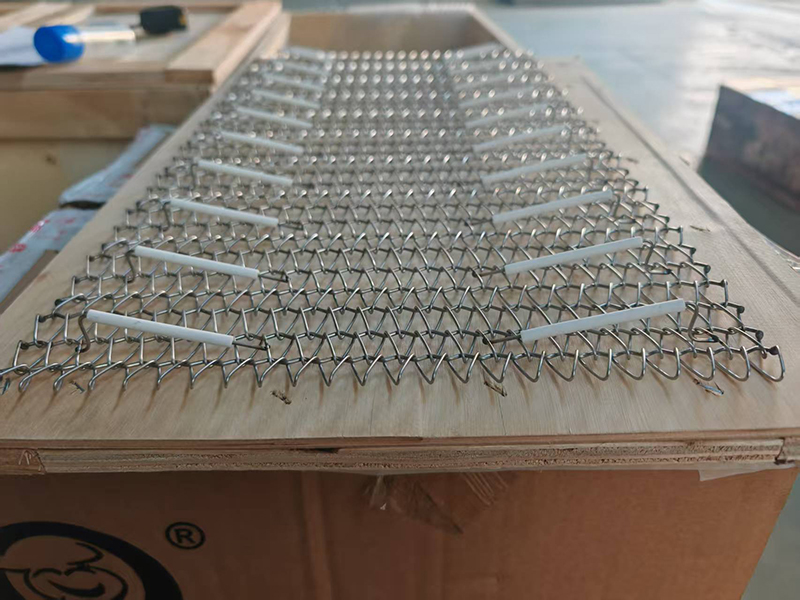
In photovoltaic (PV) cell manufacturing, every component of the production line plays an important role in maintaining stable output and improving solar cell efficiency. Among these components, the solar Sintering Furnace Belt is often overlooked, but it directly affects production reliability, thermal stability, and long-term operating costs.
During the metallization firing process, solar cells are transported through high-temperature furnace zones where temperatures can reach hundreds of degrees Celsius. The furnace belt must continuously operate under extreme conditions while maintaining accurate movement, minimal deformation, and excellent resistance to oxidation. Choosing the right material for a solar sintering furnace belt is therefore one of the most important decisions for PV manufacturers.
A wrong material selection may result in belt stretching, wire breakage, surface oxidation, contamination, or unexpected production downtime. This article explains the key factors to consider when selecting the best material for solar sintering Furnace Belts.
Why Material Selection Matters for Solar Sintering Furnace Belts
A solar sintering furnace belt works in a challenging environment that combines high temperature, continuous thermal cycling, mechanical tension, and chemical exposure.
Unlike ordinary Conveyor Belts, PV furnace belts must provide:
- Excellent high-temperature resistance
- Stable dimensional accuracy
- Strong oxidation resistance
- Low thermal expansion
- Long service life
- Clean transportation without wafer contamination
In modern solar cell manufacturing, especially for technologies such as PERC, TOPCon, and HJT, production lines require highly stable furnace components to minimize defects and improve yield. A high-quality furnace belt helps ensure smooth wafer transportation and consistent firing performance.
Common Materials Used for Solar Sintering Furnace Belts
Different PV production environments require different belt materials. The most commonly used materials include Cr20Ni80 alloy and high-temperature stainless steels such as AISI 314 and 310S.
Cr20Ni80 (also known as Ni80Cr20 alloy) is one of the preferred materials for high-temperature solar sintering furnace belts.
This nickel-chromium alloy offers:
- Excellent heat resistance
- Outstanding oxidation resistance
- Good mechanical strength at elevated temperatures
- Stable performance during repeated heating and cooling cycles
For solar cell firing applications, Cr20Ni80 belts can maintain structural stability under continuous high-temperature operation, making them suitable for demanding PV manufacturing environments.
This material is especially suitable for customers who require:
- Long operating hours
- High production capacity
- Reduced belt replacement frequency
- Stable solar cell quality
AISI 314 stainless steel is another popular choice for solar sintering furnace applications.
Compared with conventional stainless steel grades, AISI 314 provides better performance at high temperatures due to its higher chromium and nickel content.
Main advantages include:
- Superior oxidation resistance
- Good creep strength
- Excellent thermal stability
- Longer lifespan compared with standard stainless steel materials
For many PV production lines, AISI 314 stainless Steel Belts provide a good balance between performance and cost.
310S stainless steel is commonly used in high-temperature industrial furnace applications.
Its advantages include:
- High chromium content
- Strong resistance against oxidation
- Good mechanical performance under heat
However, material selection should always consider the actual furnace temperature, atmosphere conditions, and production requirements. Choosing a material simply based on price may lead to shorter service life and higher maintenance costs.
Key Factors When Choosing Solar Furnace Belt Material
The first factor to consider is the actual furnace temperature.
A solar furnace belt operating continuously at high temperatures requires materials with excellent thermal resistance. Manufacturers should evaluate:
- Maximum working temperature
- Continuous operating temperature
- Heating and cooling cycles
- Temperature fluctuations
A belt material suitable for lower-temperature applications may fail quickly in a high-temperature sintering environment.
The furnace atmosphere also affects belt performance.
Different environments, such as:
- Air atmosphere
- Nitrogen atmosphere
- Hydrogen mixed atmosphere
may create different oxidation and corrosion challenges.
The selected material should have stable chemical performance under the specific operating atmosphere.
Solar production lines usually operate continuously with high requirements for precision.
The belt material must maintain:
- Accurate dimensions
- Stable tension
- Low deformation
- Smooth movement
A high-quality solar sintering furnace belt should not only resist heat but also withstand mechanical stress during long-term operation.
Material alone does not determine belt performance. Manufacturing technology is equally important.
A reliable solar furnace belt manufacturer should control:
- Wire material quality
- Mesh structure design
- Welding precision
- Belt flatness
- Dimensional tolerance
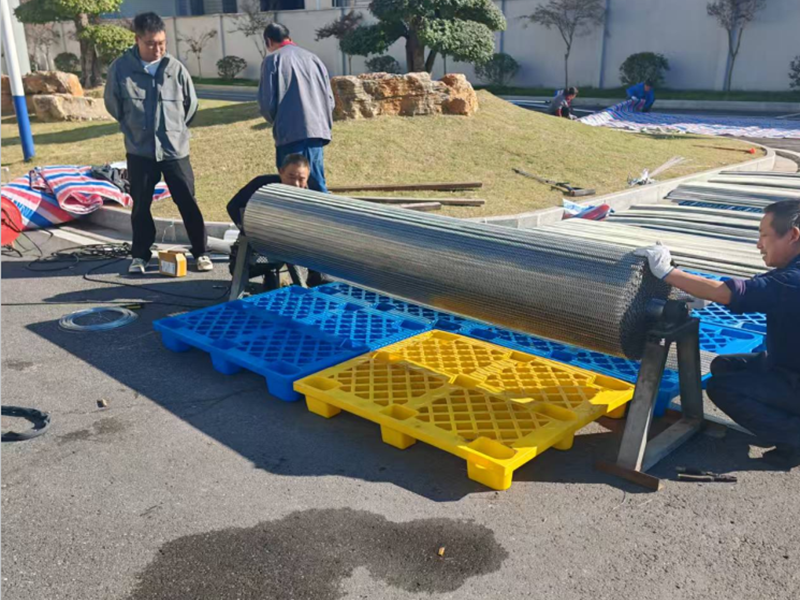
At Global Mesh Belt, customized solar sintering furnace belts are manufactured according to different PV production requirements, including belt size, material selection, and furnace compatibility.
How Global Mesh Belt Helps PV Manufacturers Select the Right Solution
Choosing the correct solar sintering furnace belt requires professional understanding of both material properties and production conditions.
Global Mesh Belt provides customized high-temperature mesh belt solutions for solar cell manufacturing, supporting applications including:
- Solar cell metallization firing
- PV sintering processes
- Continuous wafer transportation
- High-temperature furnace systems
With experience in metal conveyor belt manufacturing and customized furnace belt production, the company helps customers select suitable materials such as Cr20Ni80 and AISI 314 according to their operating requirements.
Selecting the right material for a solar sintering furnace belt is essential for improving production efficiency, reducing maintenance costs, and ensuring stable PV cell quality.
The ideal material depends on several factors, including furnace temperature, atmosphere conditions, production speed, and expected service life. High-temperature alloys such as Cr20Ni80 and AISI 314 stainless steel are widely used because they provide excellent thermal stability and durability in demanding solar manufacturing environments.
For PV manufacturers looking for reliable and long-lasting furnace belt solutions, working with an experienced solar sintering furnace belt manufacturer is the key to achieving stable and efficient production.