






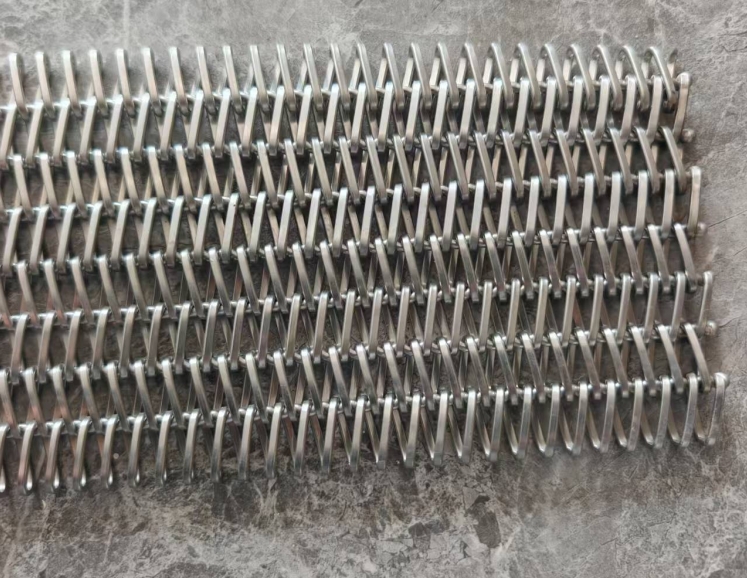
How to Extend the Service Life of Sintering Furnace Belts
In high-temperature powder metallurgy and industrial heat treatment operations, sintering Furnace Belts are critical continuous conveyance components. Due to prolonged exposure to extreme temperatures, mechanical tension, thermal cycling, and aggressive furnace atmospheres, mesh belts naturally undergo wear and material fatigue over time. Replacing a worn sintering belt causes unplanned downtime, elevated maintenance overhead, and lost production capacity.
Implementing targeted preventive care and operational best practices significantly extends belt longevity. Here are key engineering strategies to maximize the service life of your Sintering Furnace Belts, brought to you byHuada Metal Mesh Belt.
1. Optimize Temperature Profiling & Avoid Thermal Shock
Rapid heating or cooling cycles generate severe internal thermal stress across the metal alloy structure of the mesh belt.
- Gradual Ramp-Up/Down:Always follow controlled thermal profiling during startup and shutdown phases to minimize thermal shock.
- Even Heat Distribution:Ensure heating zones operate uniformly. Hot spots cause localized elongation, warping, and uneven pitch distortion.
2. Maintain Proper Belt Tension & Tracking Control
Excessive or unbalanced mechanical tension is one of the leading causes of premature belt stretching and camber deformation.
- Avoid Over-Tensioning:Operate the drive system at the minimum tension required to prevent slipping on the drive drum. Excessive pull accelerates creep deformation at high temperatures.
- Calibrate Tracking Systems:Regularly inspect guide rollers, drive sprockets, and tensioning mechanisms to keep the belt centered. Misalignment causes edge abrasion and side-wall damage against the furnace interior.
3. Manage Furnace Atmosphere & Chemical Exposure
Sintering atmospheres (such as endothermic gas, dissociated ammonia, or nitrogen-hydrogen blends) interact directly with the belt's metallurgy.
- Monitor Dew Point:Uncontrolled moisture levels or improper carbon potential can lead to severe oxidation, carburization, or "green rot" attack on high-nickel alloys.
- Clean Contaminants:Ensure green parts entering the furnace are free of excess lubricants, oils, or loose powders that decompose and leave corrosive residues on the weave.
4. Select the Right Alloy & Mesh Weave Construction
Not all high-temperature alloys perform equally under specific atmospheric conditions. Matching the mesh belt specifications to your exact operational parameters is essential:
- Material Selection:High-grade heat-resistant alloys such as SUS314, Inconel 600, or Nickel-Chromium series offer superior resistance to creep, oxidation, and chemical degradation.
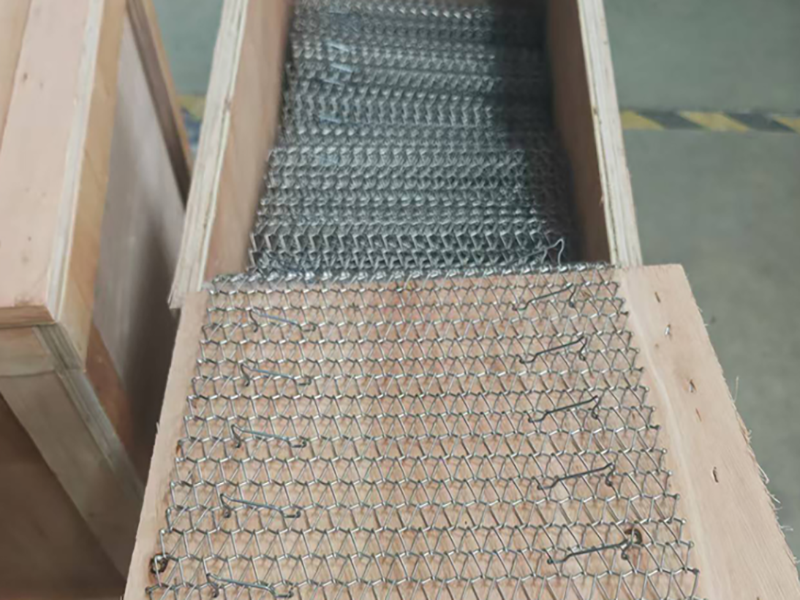
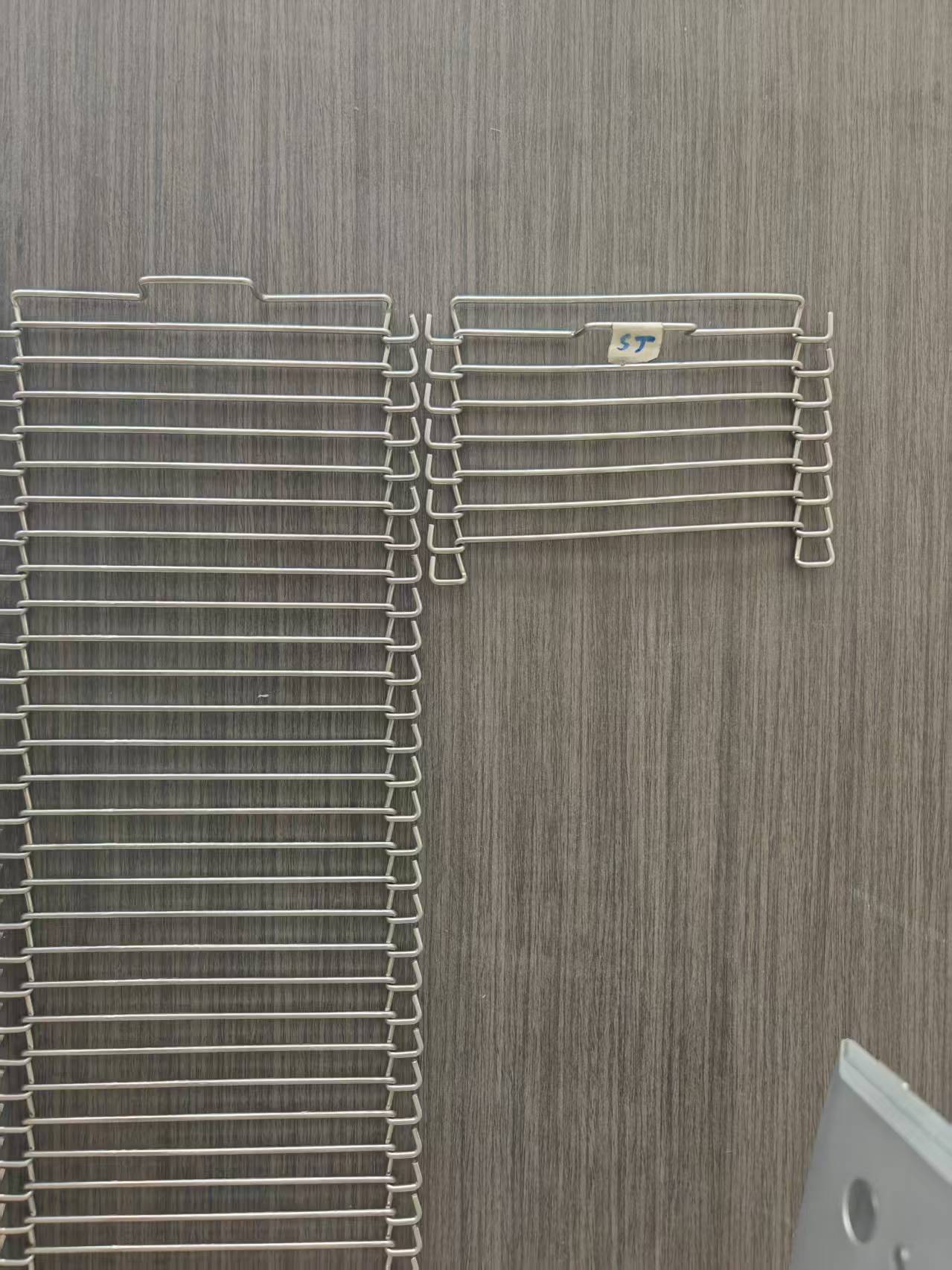
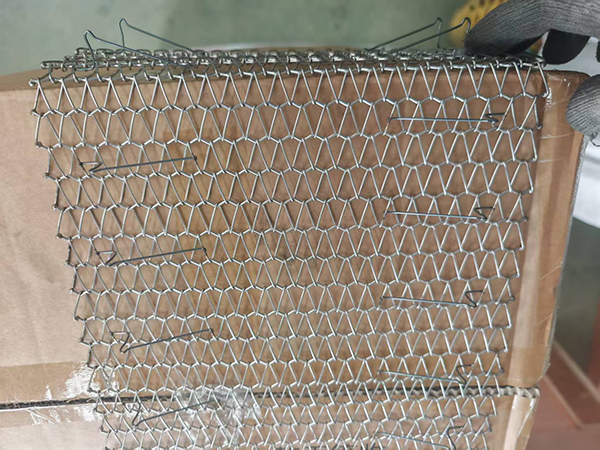
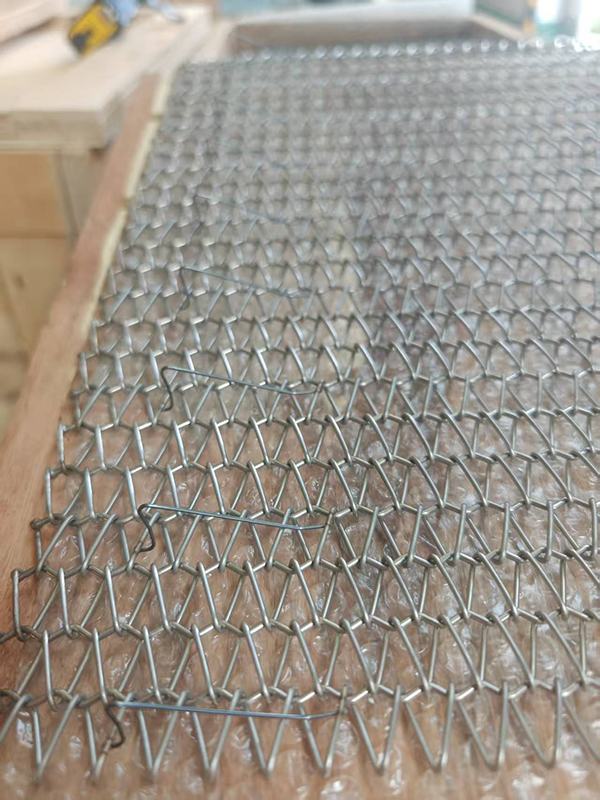
- Weave Geometry:Balanced weave and compound weave configurations distribute tensile loads evenly while providing the necessary mechanical flexibility for continuous drive drums.
5. Implement Routine Inspection & Preventive Maintenance
Inspect Key Components: Routinely examine drive sprockets, hearth plates, and support rollers for uneven wear or rough surfaces that increase friction.
Address Localized Wear: Inspect cross rods and spiral wires for signs of necking or pitch elongation. Promptly repairing or splicing damaged sections prevents catastrophic belt breakage during production runs.
Reliable Industrial Mesh Belts from Global Mesh Belt
Extending the service life of sintering furnace belts starts with selecting high-grade, precision-woven materials designed for demanding thermal processing environments. At Huada Metal Mesh Belt www.globalmeshbelt.com, we engineer premium stainless steel and high-temperature alloy mesh belts engineered for exceptional tensile strength, minimal elongation, and long operational life.
Explore our full range of high-temperature furnace belts and technical solutions at www.globalmeshbelt.com to optimize your production efficiency today.