






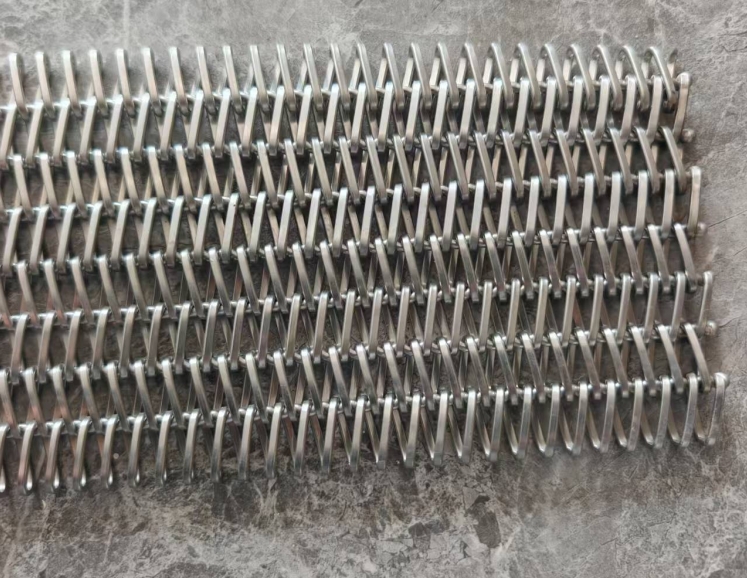
How to Match Furnace Belts With Different Sintering Systems
In powder metallurgy (P/M), stainless steel component fabrication, and high-temperature material processing, the Sintering Furnace Belt is the operational spine of the entire production line. It continuously conveys heavy metal compacts, green parts, or structural components through intense thermal zones, aggressive chemical atmospheres, and high mechanical tension.
Because different sintering processes operate under vastly different temperature ranges, belt load profiles, and gas environments, selecting the wrong Metal Mesh Belt configuration leads to catastrophic failure modes—including camber distortion, thermal fatigue cracking, pitch stretching, and rapid surface oxidation.
Matching the correct furnace belt alloy, weave design, and drive edge structure to your specific sintering system is critical for maximizing belt service life, preventing unexpected line shutdowns, and maintaining component dimensional stability.
1. Temperature Profiles and Alloy Selection
The first parameter in furnace belt selection is matching the alloy composition to the maximum operating temperature of your sintering zone. As furnace temperatures rise, the tensile strength (creep strength) of stainless steel decreases significantly, requiring higher nickel and chromium content to resist thermal elongation and oxidation.
| Sintering Temperature | Typical Process | Recommended Belt Alloy |
|---|---|---|
| 600°C – 850°C | Aluminum Sintering / Steam Treat | SUS 304 / SUS 316 |
| 850°C – 1050°C | Bronze & Copper Sintering | SUS 314 / Inconel 601 |
| 1050°C – 1150°C | High-Density Iron & Steel P/M | SUS 314 / Nickel-Chromium Alloys |
| 1150°C – 1250°C+ | Stainless Steel / High-Temp P/M | Inconel 601 / Special Superalloys |
➤ Low-To-Mid Temperature Sintering (600°C to 1000°C)
For non-ferrous metals like aluminum or bronze, SUS 304 or SUS 316 mesh belts provide sufficient tensile stability and oxidation resistance. For mid-range iron-based compacts operating near 900°C, SUS 314 offers enhanced silicon content to form a protective oxide scale that resists atmospheric scaling.
➤ High-Temperature Sintering (1050°C to 1180°C+)
High-density ferrous sintering requires sustained exposure to temperatures above 1120°C. Under these conditions, standard stainless alloys undergo rapid thermal creep. Utilizing high-nickel, high-chromium alloys such as SUS 314 or nickel-based superalloys like Inconel 601 ensures structural strength, preventing belt narrowing and tensile deformation under heavy furnace loading.
2. Matching Belt Weave Patterns to Furnace Load Densities
Different sintering systems subject conveyor belts to distinct mechanical forces. The weave structure determines how evenly weight is distributed and how smoothly heat transfers through the belt bed.
✔ Balanced Weave (Standard Mesh)
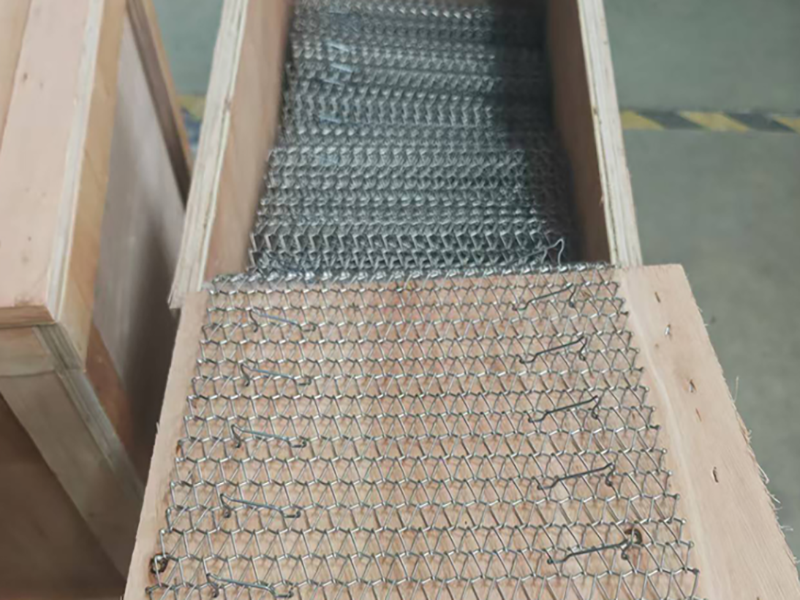
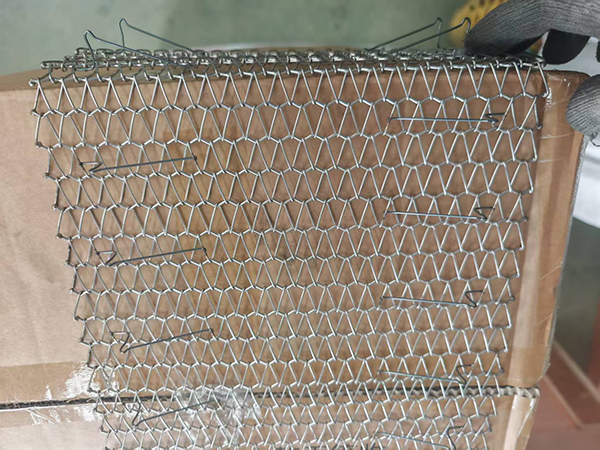
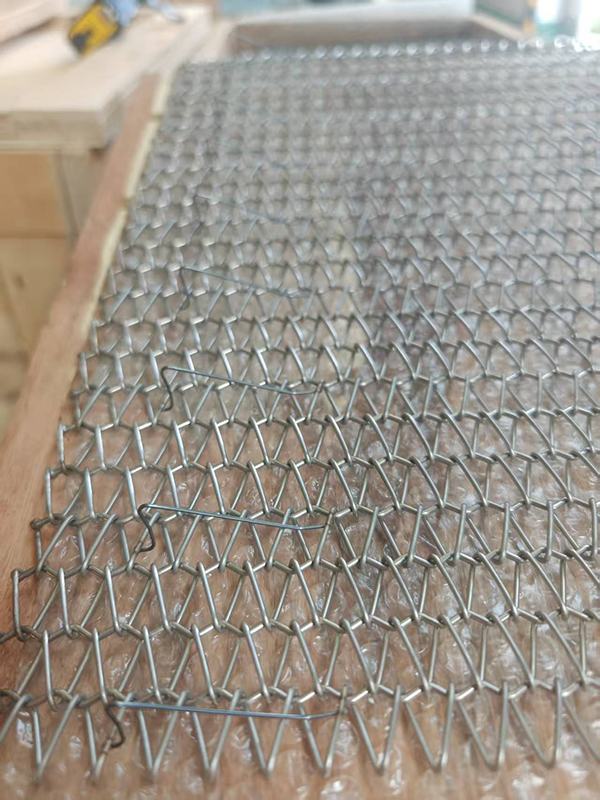
Constructed with alternating left- and right-hand spirals joined by cross-rod connectors. This design balances internal stresses, preventing the belt from tracking to one side during thermal expansion. It is ideal for light-to-medium loads in continuous mesh belt muffless furnaces.
✔ Compound Balanced Weave (High-Density Mesh)
Features multiple right- and left-hand spirals nested together with multiple cross rods. This creates a dense, flat surface that supports small or fragile green parts without tipping, while distributing heavy load weights across a tighter wire matrix.
✔ Reinforced Weave (Drive-Rod Reinforced)
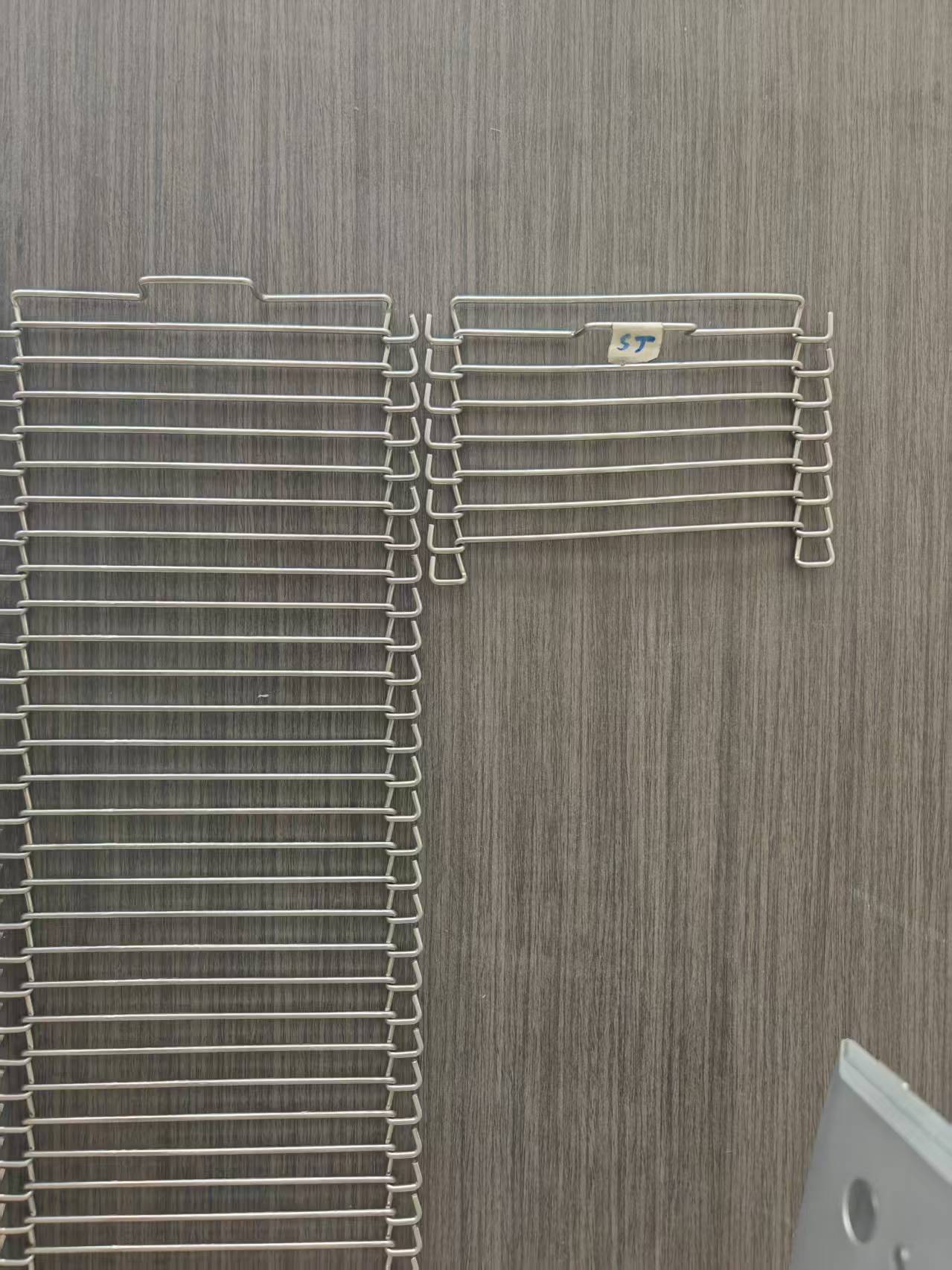
Incorporates straight cross rods passing through the spiral wires, providing exceptional tensile strength for heavy-duty industrial sintering lines where belt drag friction is high.
3. Atmospheric Compatibility and Chemical Degradation
Sintering atmospheres—whether endothermic gas, dissociated ammonia, pure hydrogen, or nitrogen-hydrogen blends—profoundly affect belt longevity.
· Endothermic & Carburizing Atmospheres: High carbon potential at elevated temperatures causes carburization in steel wires, making them brittle and prone to cracking. High-silicon alloys (like SUS 314) help retard carbon ingress.
· Dissociated Ammonia & Hydrogen Atmospheres: Pure dry hydrogen reduces protective oxide layers on metal belts. Selecting specialized low-iron, high-nickel alloys prevents nitriding and hydrogen embrittlement.
High-Performance Furnace Belts from Huada Metal Mesh Belt
Achieving consistent thermal processing results requires pairing robust furnace engineering with precision-manufactured conveyor belts built to withstand extreme thermal cycles.
At Huada Metal Mesh Belt, we specialize in the design, engineering, and manufacturing of high-temperature metal mesh belts for demanding global industrial applications:
· Engineered Sintering Belts: We manufacture a comprehensive selection of Balanced Weave, Compound Weave, and Reinforced Mesh Belts fabricated from premium heat-resistant alloys, including SUS 304, SUS 310S, SUS 314, and specialized Inconel alloys.
· Precision Edge and Pitch Control: Our proprietary wire drawing and automated weaving technologies ensure uniform pitch, straight belt tracking, and superior weld integrity along driven edge structures, minimizing in-furnace belt drift and stretch.
· Custom OEM & Replacement Solutions: From continuous muffle sintering furnaces to brazing and hardening lines, our engineering team works directly with equipment builders and plant managers to customize wire gauges, spiral density, and rod diameters for optimal thermal throughput.
Conclusion
Matching furnace belts with different sintering systems requires a thorough evaluation of three variables: peak operational temperature, atmospheric chemistry, and mechanical load weight. By selecting the optimal heat-resistant alloy and weave structure, plant managers can dramatically extend belt service life, lower energy consumption, and reduce costly downtime.
Upgrade your high-temperature processing performance with proven mesh belt technology. Explore our complete range of heat-resistant conveyor belts and technical specifications at https://www.globalmeshbelt.com/ to connect with our technical engineers today.