






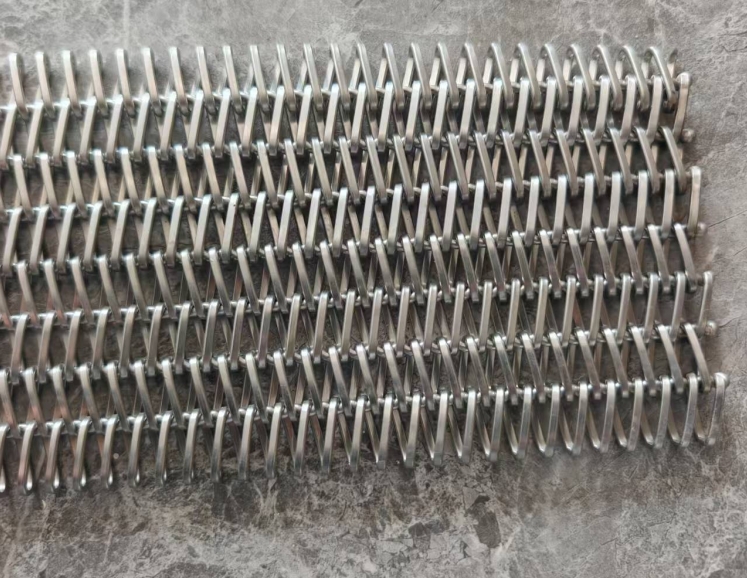
Key Functions of Sintering Furnace Belts in PV Manufacturing
In the solar photovoltaic (PV) manufacturing pipeline, the co-firing or metallization sintering process represents a critical juncture that directly defines the conversion efficiency of the final solar cell. Operating at extremely high temperatures within precise thermal windows, this stage relies heavily on the mechanical integrity of the conveyor system. Specifically, the Metal Mesh Belts utilized in these sintering furnaces are not merely transportation components; they are dynamic thermal elements that directly impact the output quality, structural yield, and cost efficiency of solar cell production lines.
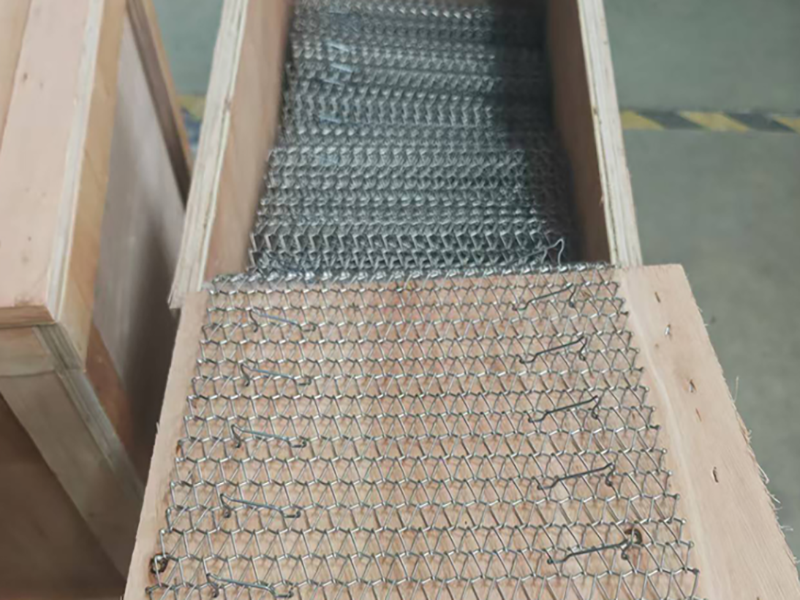
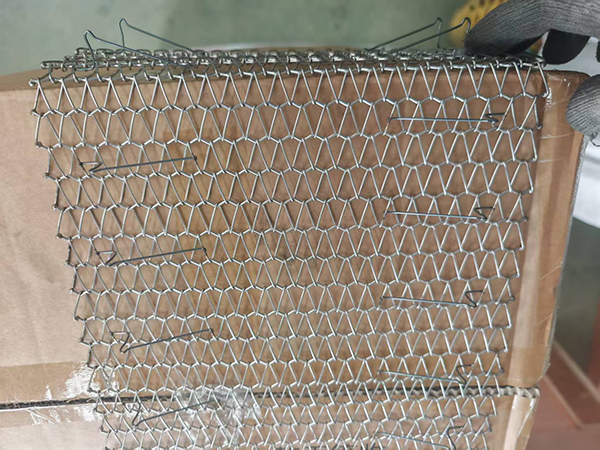
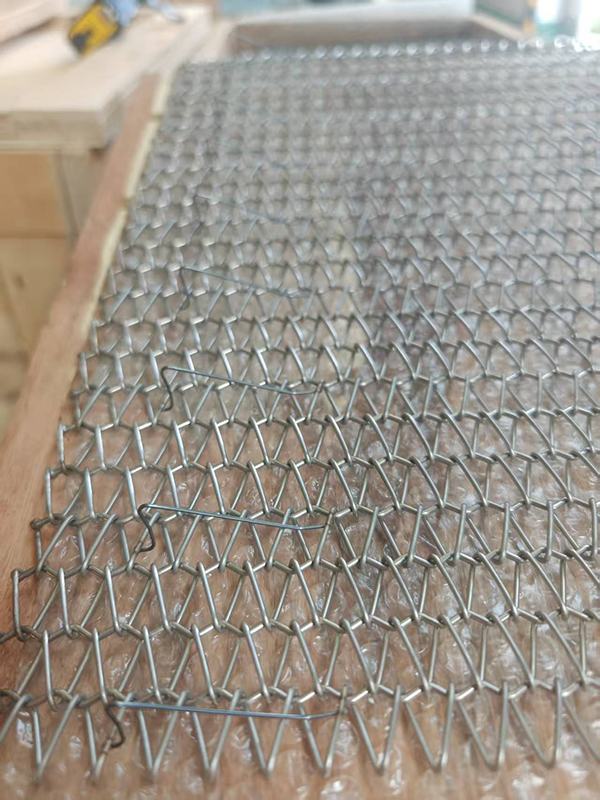
- Uniform Thermal Distribution and Rapid Heat TransferModern silicon solar cells require precise thermal profiles during the fast-firing process to ensure that the silver and aluminum pastes penetrate the anti-reflection coating without damaging the underlying p-n junction. Sintering Furnace Belts engineered from high-grade alloys feature optimized open-mesh structures. This open geometry maximizes exposure to both infrared heating elements and convection airflows. By minimizing thermal mass, the belts prevent localized heat sinking, ensuring that every wafer experiences an identical, homogenous thermal trajectory across its entire surface area.
- Contamination Mitigation and Surface ProtectionAt temperatures often exceeding 800°C, the risk of chemical cross-contamination and mechanical micro-scratching escalates dramatically. Premium mesh belts manufactured by industry experts utilize ultra-clean, oxidation-resistant alloys such as high-nickel chrome or specialized stainless steel grades. These materials resist scaling and carbon buildup, preventing particulate debris from shedding onto the delicate silicon wafers. A smooth, meticulously woven belt surface guarantees stable wafer placement, eliminating vibrations and reducing edge chipping or micro-cracks during high-speed transitions.
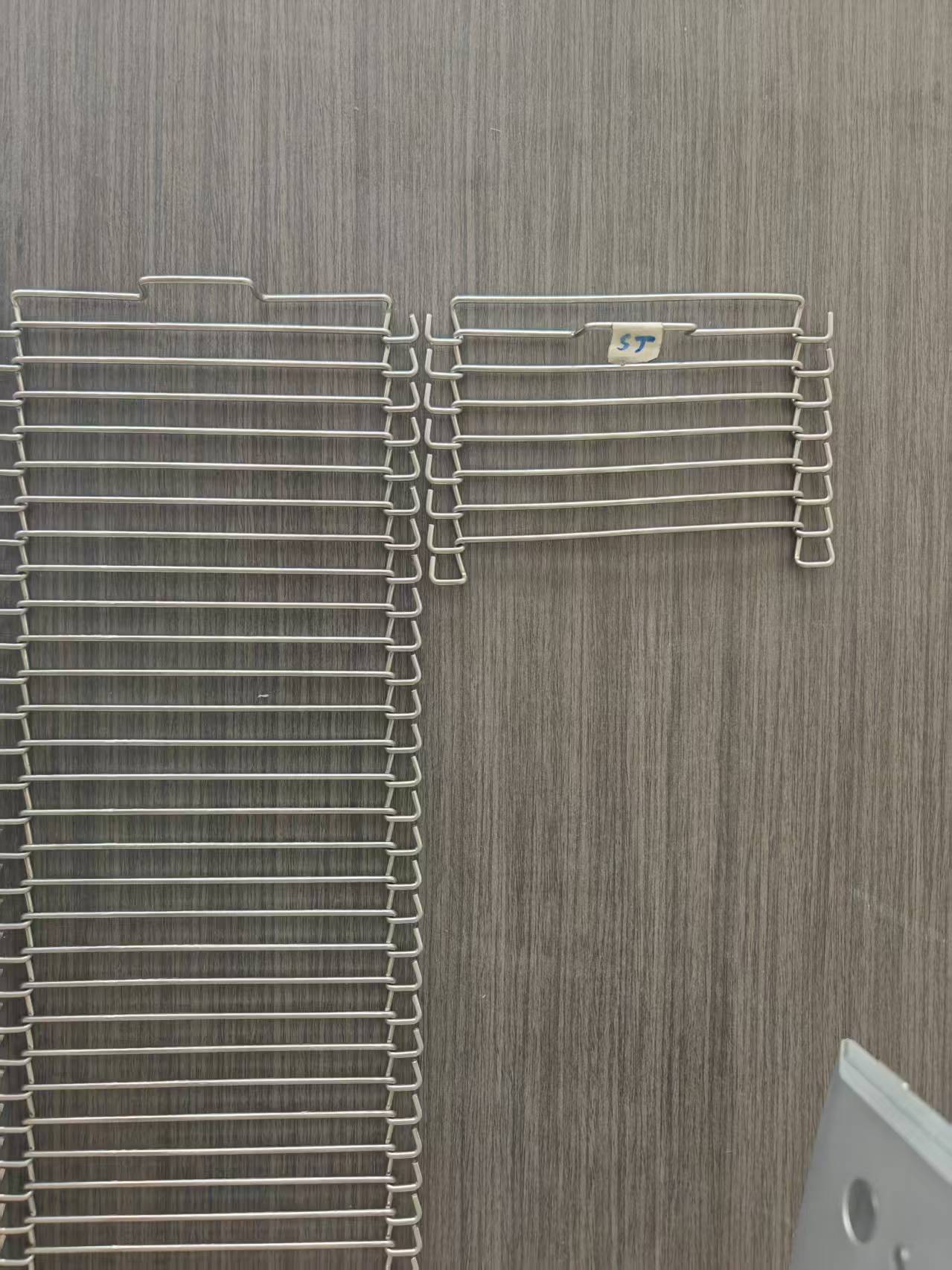
- Mechanical Stability Under Extreme Thermal CyclingSintering furnaces operate continuously, subjecting the internal conveyor belts to constant, severe thermal expansion and contraction. Standard belts frequently suffer from elongation, tracking errors, or localized distortion, leading to catastrophic line stoppages. Advanced mesh belts featured on platforms like GlobalMeshBelt.comare pre-stressed and woven with precise edge reinforcements. This architectural design ensures structural tracking alignment, minimizes directional drift, and maintains a perfectly flat carrying surface under continuous high-load and high-temperature stress.
- Maximizing Throughput and Extending Operational LifespanIn high-capacity PV fabs, equipment uptime translates directly to profitability. Choosing a high-end, tailored metal mesh belt significantly extends the component's operational cycle, reducing the frequency of maintenance shutdowns. Optimized belt designs require lower tension, which in turn reduces wear on the furnace driving systems and gears. The result is a highly reliable, energy-efficient transport mechanism that supports rapid, high-volume production without sacrificing cell quality.
Conclusion The sintering furnace belt is a foundational pillar of reliable solar cell metallization. By managing heat distribution, eliminating wafer contamination, and guaranteeing smooth mechanical tracking, these specialized mesh belts enable manufacturers to push the boundaries of PV efficiency. For production managers looking to optimize their thermal processing equipment, sourcing precision-engineered mesh belts from dedicated specialists like GlobalMeshBelt.com is a strategic move toward long-term operational excellence and lower total cost of ownership.