






Latest Trends in Solar Sintering Furnace Belt Technology
As global demand for high-efficiency photovoltaic (PV) solar cells continues to surge, solar cell manufacturers face relentless pressure to boost cell conversion efficiency while reducing production line downtime. A critical stage in solar cell manufacturing is the metallization sintering process, where silver/aluminum contact pastes are fired into the silicon wafer substrate at precise temperatures.
At the center of this thermal process is the high-temperature Mesh Conveyor Belt. Because modern solar sintering furnaces run at elevated speeds with tight thermal profiles, traditional metal conveyor belts often encounter thermal fatigue, micro-vibration, paste contamination, and uneven belt tension.
To meet the stringent requirements of next-generation N-type TOPCon, HJT (Heterojunction), and PERC cell architectures, solar sintering Furnace Belt technology has evolved rapidly. Here are the top trends shaping the design, material selection, and performance of solar cell sintering belts today.
1. Shift Toward Ultra-Smooth, Low-Vibration Weave Patterns
During solar metallization sintering, silicon wafers are extremely thin—often under 130 micrometers. Any micro-vibration or surface unevenness from the underlying mesh belt can cause wafer slippage, micro-cracks, or alignment offsets during high-speed transfer.
| Belt Feature | Legacy Mesh Belts | Next-Gen Solar Sintering Belts |
|---|---|---|
| Surface Smoothness | Standard Spiral Profile | Precision Flattened Wire Surface |
| Vibration Profile | Moderate In-Line Vibration | Ultra-Low Vibration Tracking |
| Thermal Mass | Heavy Wire Gauge | Ultra-Lightweight Low Thermal Mass |
| Contamination Resistance | Standard Surface Finish | Anti-Sticking / Low-Scaling Finish |
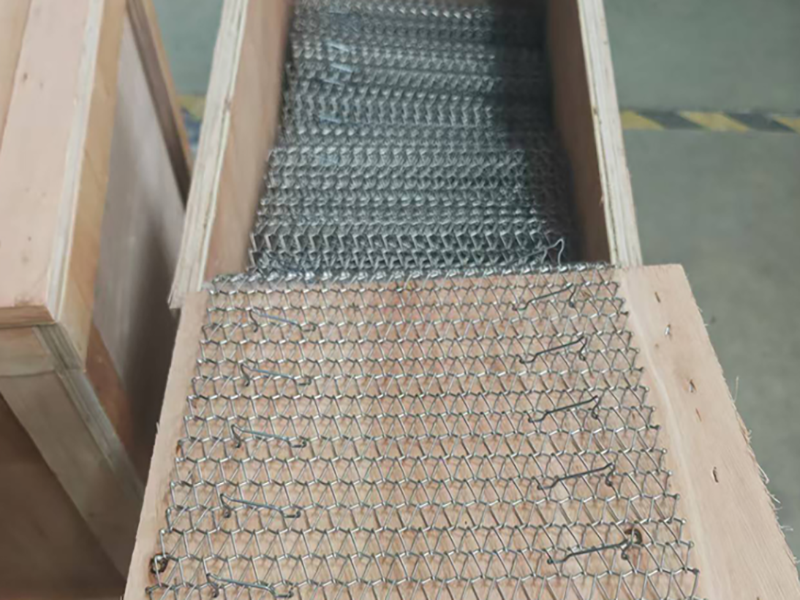
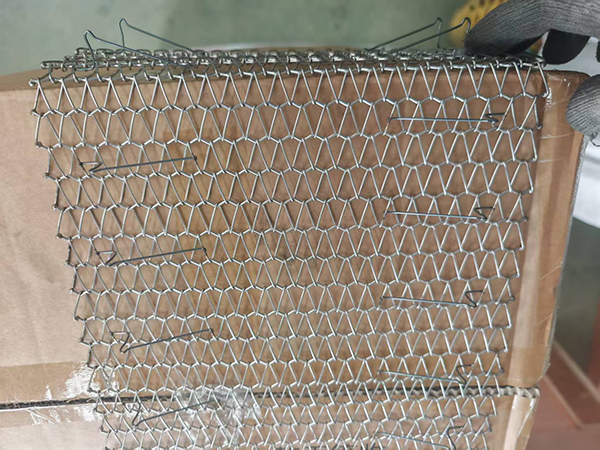
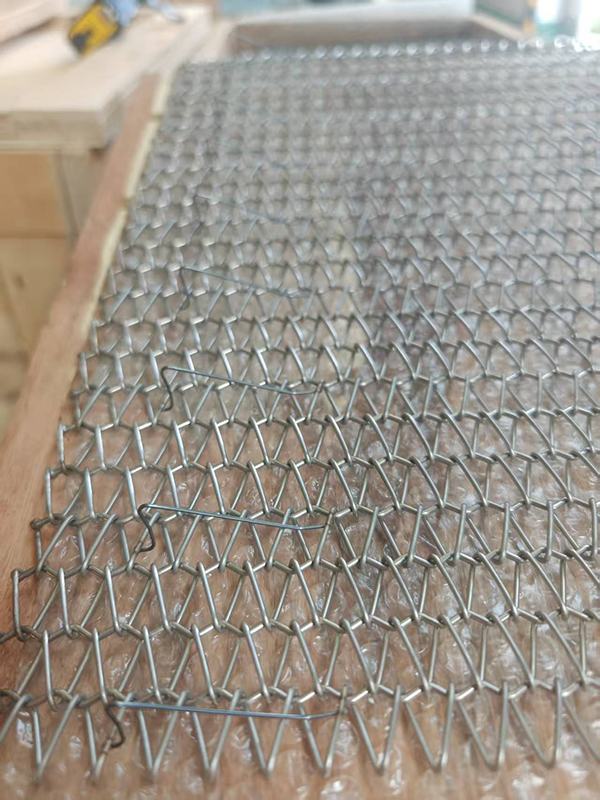
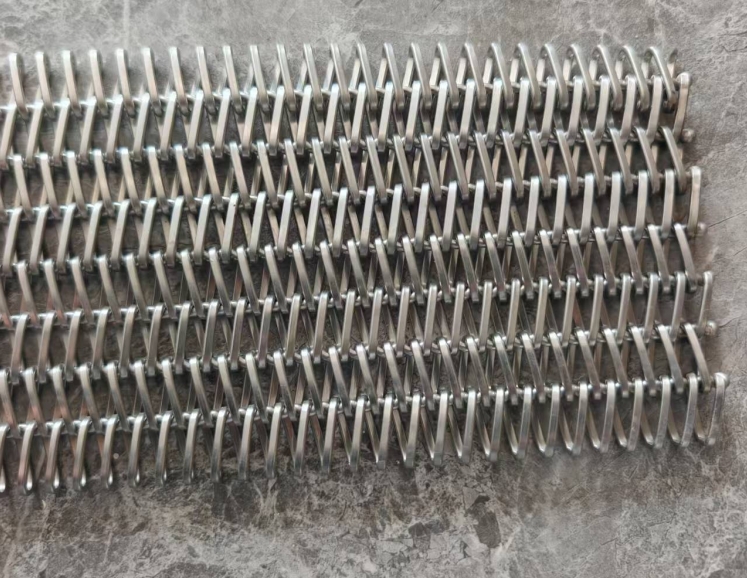
Next-generation sintering belts utilize specialized precision-flattened wire spirals and compound balanced weave structures. By flattening the top curve of the spiral wire, manufacturers create a continuous, mirror-flat carrying surface. This minimizes contact friction, prevents wafer scratches, and eliminates micro-vibrations as the belt slides over furnace support hearth plates.
2. Ultra-Lightweight Designs for Rapid Thermal Response
Solar cell metallization requires extremely rapid heating and cooling cycles—often spiking to 750°C–900°C within seconds before entering fast-cooling zones.
The industry trend is moving toward ultra-lightweight mesh belts with high-tensile fine wires. This yields three major benefits:
3. High-Purity Alloy Chemistry to Prevent Wafer Contamination
At sintering temperatures, trace metal migration or oxide scaling from the conveyor belt can contaminate silicon wafers, drastically reducing cell efficiency. High-end solar sintering belts are manufactured from high-purity, heat-resistant superalloys such as SUS 314, Inconel 601, and specialized Nickel-Chromium-Silicon alloys.
4. Advanced Edge Finishing and Tension Stabilization
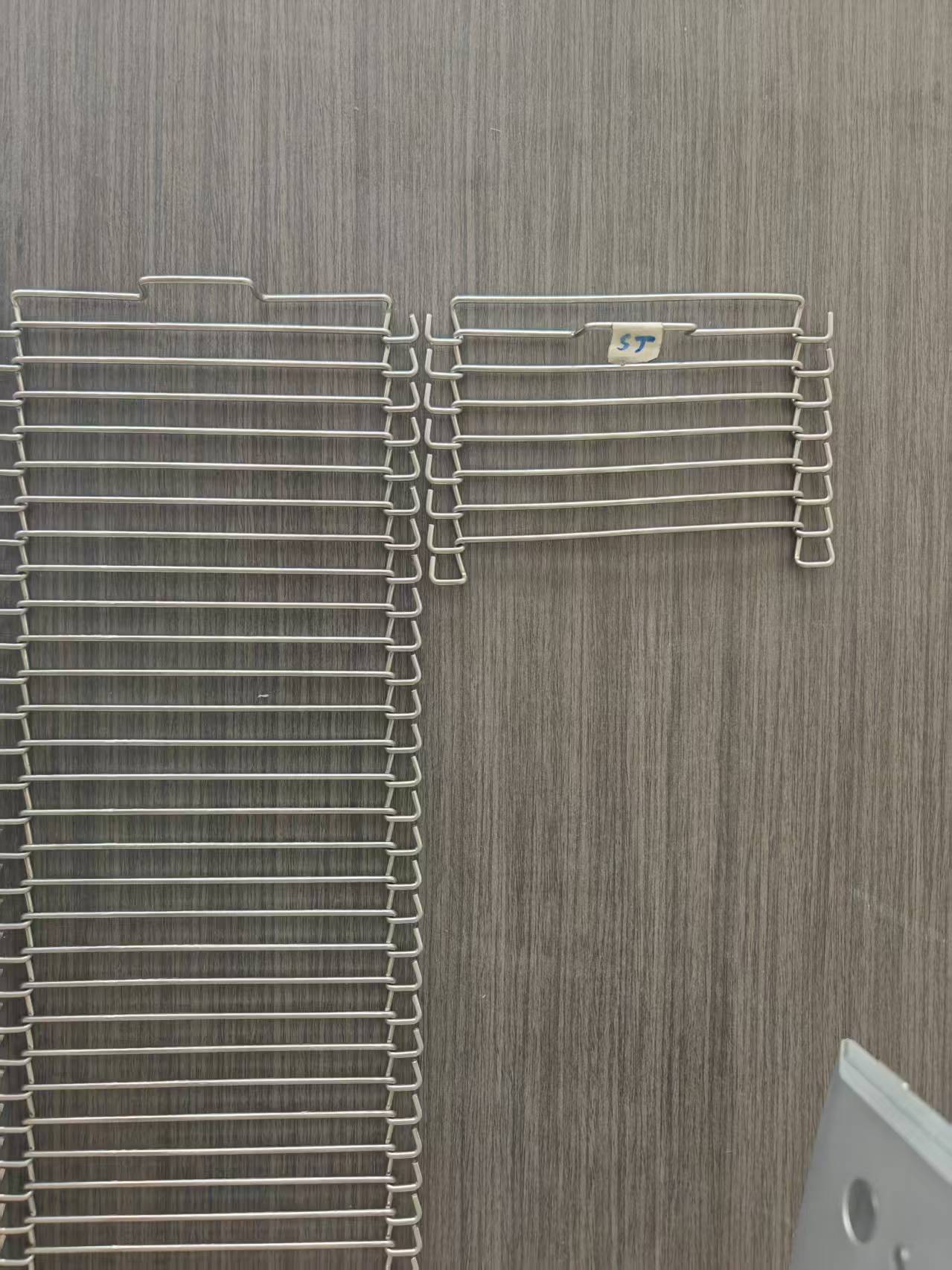
Belt edge failure and lateral distortion (camber) remain leading causes of emergency line stops in continuous furnaces. Modern solar furnace belts incorporate reinforced welded edge (Knuckled or Loop Edge) terminations and pre-stretched structural wire rods.
High-Performance Solar Mesh Belts from Huada Metal Mesh Belt
At Huada Metal Mesh Belt, we lead the way in engineering specialized high-temperature metal mesh belts for demanding electronic and solar manufacturing lines:
· Solar Cell Sintering Series: We produce ultra-flat, low-vibration Balanced and Compound Mesh Belts engineered specifically for high-speed solar cell metallization firing furnaces.
· Premium Heat-Resistant Alloys: Fabricated using top-grade SUS 314 and specialized high-nickel alloys to ensure zero scaling, exceptional oxidation resistance, and long service life.
· Precision Manufacturing Standards: Utilizing automated wire flattening, tight pitch control, and laser-edge welding.
Conclusion
The evolution of solar sintering furnace belt technology centers on three goals: ultra-smooth wafer transport, low thermal mass for energy savings, and zero-contamination alloy stability. Upgrade your photovoltaic production line performance with engineered mesh belt technology. Explore our specialized solar sintering belts and industrial conveyor solutions at https://www.globalmeshbelt.com/ to connect with our technical specialists today.