






OEM vs. Standard Furnace Belts: Which Should You Choose?
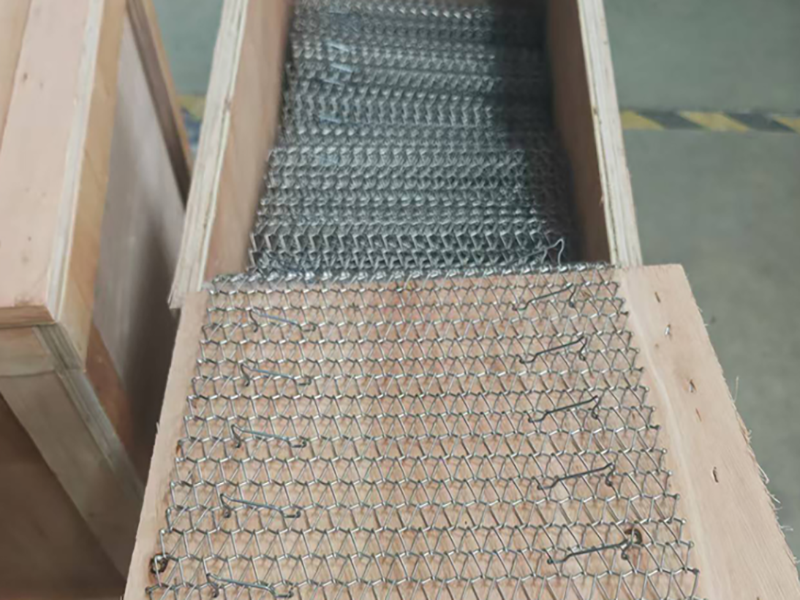
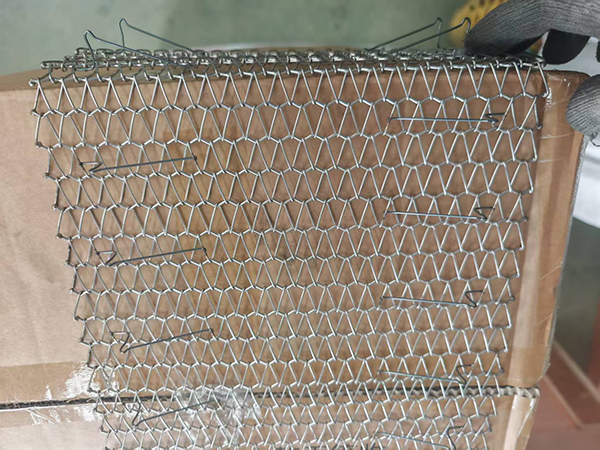
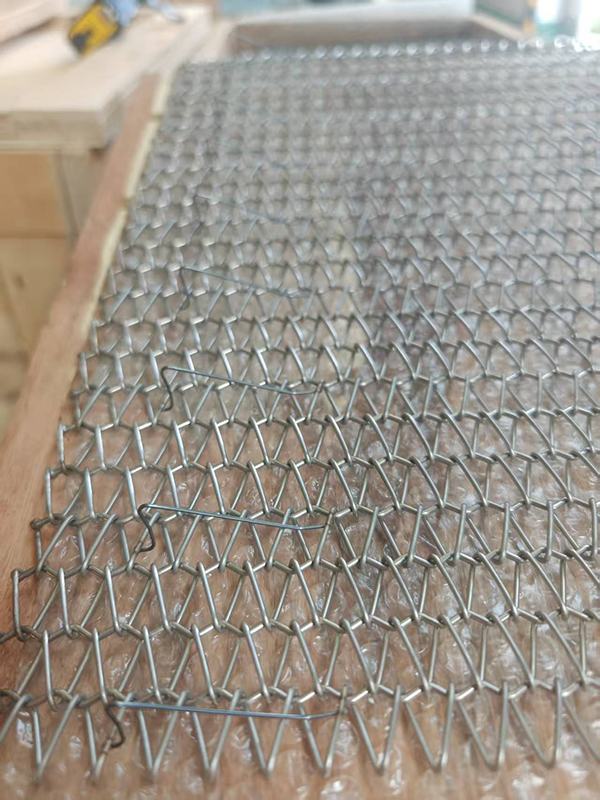
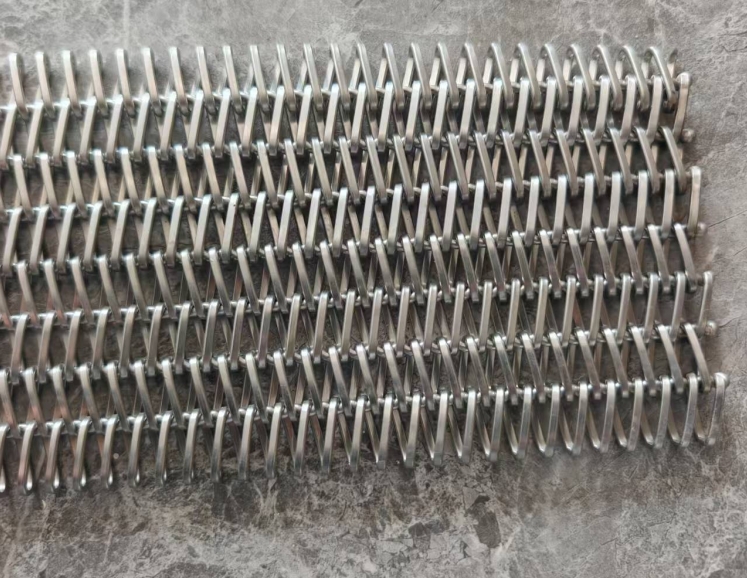
In high-temperature thermal processing—such as solar cell sintering, powder metallurgy, glass annealing, and heat-treating fasteners—the wire Mesh Conveyor Belt is the operational heart of your furnace line. When a belt stretches, tracking degrades, or structural fatigue leads to unexpected thermal cracking, production halts, and costs escalate quickly.
When replacing a worn-out Furnace Belt, procurement managers and plant engineers face a critical choice:Should you purchase an Original Equipment Manufacturer (OEM) replacement belt, or opt for a custom-engineered standard furnace belt from a specialized wire mesh manufacturer?
While OEM replacements offer familiar specs, engineered standard belts from specialist manufacturers often provide superior alloy options, tailored edge treatments, and better cost efficiency. Understanding these key differences will help you make the best decision for your processing equipment.
1. Defining the Options: OEM vs. Specialized Standard Belts
OEM Furnace Belts
An OEM replacement belt is supplied directly by the company that built your industrial furnace. OEMs typically source these belts from third-party wire mesh weavers, apply their own brand markup, and catalog them under proprietary part numbers.
- Primary Benefit: Guaranteed baseline dimensional fit for the original furnace model.
- Main Drawback: High brand markup, longer lead times, and limited alloy customization options for non-standard operating environments.
Specialized Standard Furnace Belts
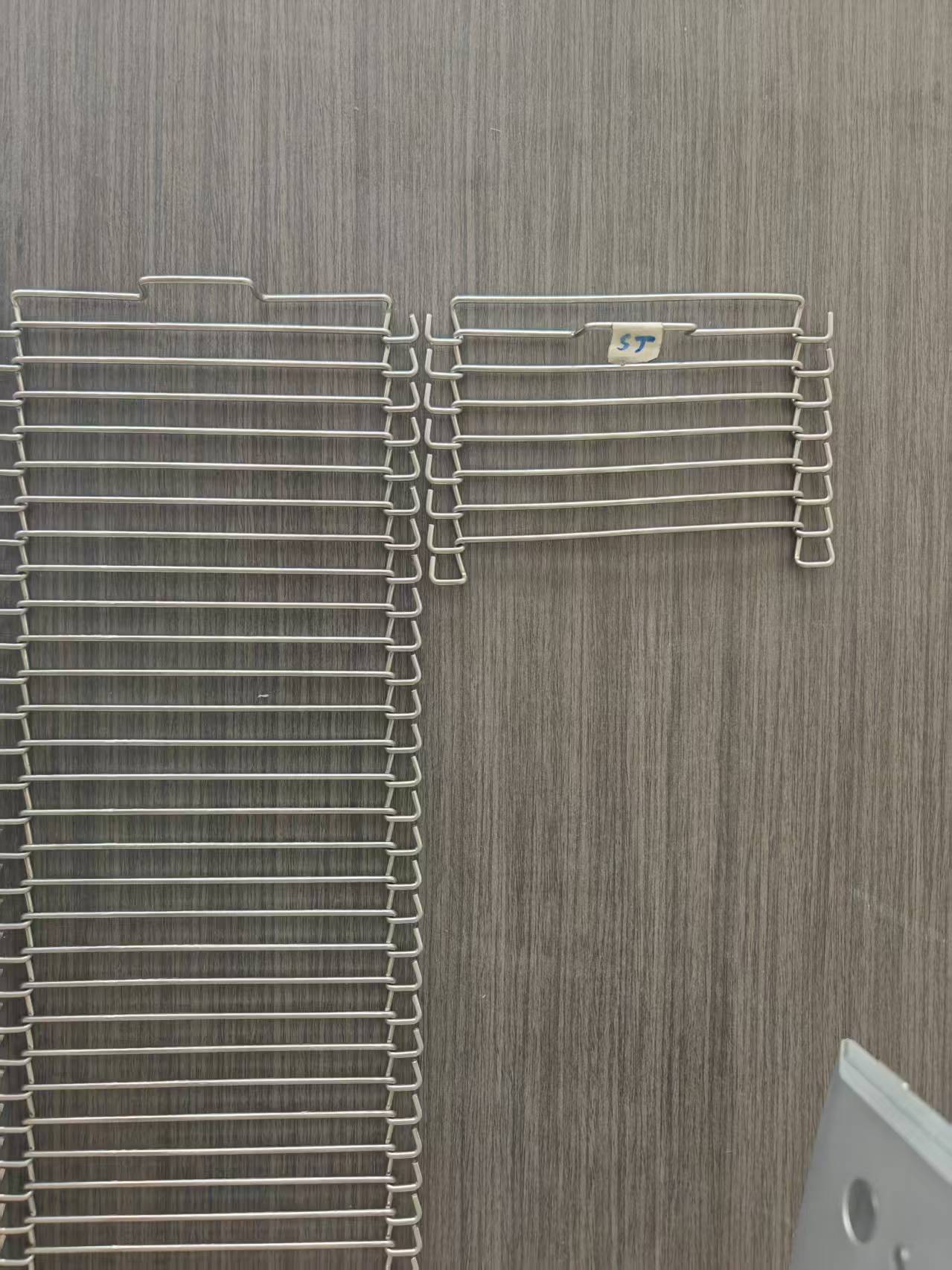
A standard furnace belt from a direct wire mesh manufacturer is custom-woven to exact dimensional parameters (pitch, mesh count, wire gauge, and belt width) matching or exceeding original equipment specifications.
- Primary Benefit: Direct factory pricing, access to advanced high-temperature alloys, optimized structural edges, and direct technical support.
- Main Drawback: Requires technical communication to confirm precise pitch, spiral wire diameter, and cross-rod dimensions prior to weaving.
2. Comparing Key Performance Criteria
OEM Route: [ Furnace Brand ] --> [ Sourced Mesh Manufacturer ] --> [ High Price Markup ] --> [ Customer ]
Direct Specialist: [ Custom Mesh Manufacturer ] -------------------------> [ Direct Pricing & Custom Alloy ]
A. Material Alloy Customization
Thermal processing environments vary widely in atmosphere, operating temperature, and chemical exposure:
- OEM Belts: Standard OEM parts usually ship in common base alloys like AISI 304 or 316 stainless steel. If your thermal process runs above 900°C (1,650°F) or operates under carbon-rich carburizing atmospheres, basic stainless alloys quickly experience carburization, embrittlement, and rapid thermal sagging.
- Specialized Belts: Direct manufacturers allow you to select high-performance nickel-chromium alloys—such as Inconel 600, Inconel 601, 314 Stainless Steel, or SUS 310S—specifically chosen to withstand extreme thermal oxidation, thermal shock, and reactive atmospheric gases.
B. Edge Construction & Mechanical Durability
Belt failure frequently begins at the drive edges due to thermal expansion, sprocket tension, and side-wall friction.
- OEM Edge Options: Often restricted to standard clinching or basic welded edges.
- Specialized Edge Engineering: Manufacturers offer customized edge finishes—including welded edges, knuckled edges, and reinforced side plate/chain drive edges—designed to prevent edge tearing, reduce belt cambering, and stabilize tracking under heavy physical loads.
C. Total Cost of Ownership (TCO) & Lead Times
- Cost Difference: Buying from an OEM often involves a 30% to 70% price premium caused by supply-chain markups.
- Lead Time: When a furnace belt breaks unexpectedly, waiting weeks for an OEM replacement can paralyze production schedules. Specialist weavers maintain stock wire feeds and specialized weaving looms, drastically shortening production cycles and getting lines back online faster.
3. Direct Side-by-Side Comparison
| Operational Factor | OEM Replacement Belt | Specialized Standard Furnace Belt |
|---|---|---|
| Sourcing Structure | Re-branded via equipment supplier | Direct from wire mesh weaver |
| Material Flexibility | Fixed stock alloys (304/316) | Tailored high-temp alloys (310S, Inconel, 314) |
| Edge Finish Customization | Limited standard choices | Welded, knuckled, or reinforced side chains |
| Lead Times | Often subject to extended OEM inventory holds | Accelerated factory direct production |
| Procurement Cost | Premium pricing | Factory-direct, cost-effective pricing |
| Dimensional Fit | Plug-and-play | Measured to fit exact furnace specifications |
4. Engineering Solutions for High-Temperature Processing
At Huada Metal Mesh Belt (globalmeshbelt.com), we engineer high-performance stainless steel and high-alloy conveyor belts tailored for demanding high-temperature applications—including solar cell sintering furnaces, continuous heat-treating lines, food processing tunnels, and powder metallurgy equipment.
Whether you operate continuous mesh belt furnaces, rod network belts, or compound balanced weave systems, our engineering focus centers on:
- Precision Weaving Control: Ensuring uniform pitch and straight tracking to prevent belt distortion and product jamming under high thermal loads.
- Atmosphere-Matched Alloys: Selecting high-nickel and high-chromium alloys designed to resist thermal fatigue, surface scaling, and carburization.
- Rigorous Quality Testing: Every belt undergoes strict tensile testing, structural edge inspection, and pitch uniformity checks before leaving our facility.
Conclusion: Making the Right Selection for Your Plant
Choosing between an OEM replacement and a specialized furnace belt comes down to balancing operational requirements against cost:
- Choose an OEM Replacement if you require an absolute one-to-one part swap without measuring existing components, and budget limits or lead times are not primary constraints.
- Choose a Specialized Furnace Belt if you want to lower consumable costs, shorten downtime, upgrade to high-temperature alloys (such as Inconel or 310S), or customize edge treatments for superior mechanical life.
By working directly with a dedicated wire mesh manufacturer, you gain full control over alloy selection, edge engineering, and lead times—ensuring your high-temperature furnace operates with maximum reliability.
Explore high-temperature conveyor belt specifications, custom alloy options, and technical support at Huada Metal Mesh Belt.