






Signs Your Solar Furnace Belt Needs Replacement: Prevent Costly Photovoltaic Line Downtime
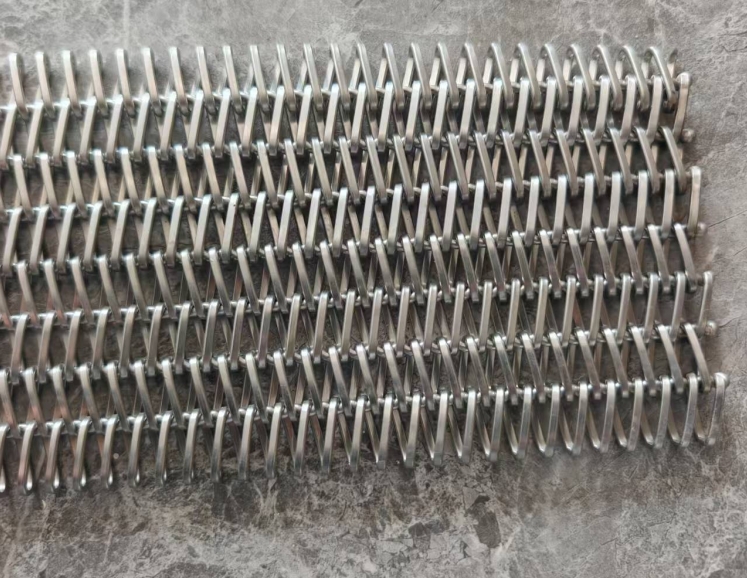
In the solar cell and photovoltaic (PV) manufacturing industry, continuous thermal Processing Equipment—such as fast firing furnaces, metallization furnaces, and anti-reflective coating (ARC) dryers—relies heavily on high-precisionwOven Wire Mesh belts. These conveyor belts must sustain extreme temperatures, rapid thermal cycling, and continuous mechanical stress while moving silicon wafers smoothly through heating zones.
Because solar cell processing demands stringent temperature uniformity and zero vibration, even minor wear on a solar furnace belt can compromise cell efficiency or lead to catastrophic line stoppage.
Recognizing the early warning signs of belt degradation allows plant maintenance engineers to schedule proactive replacements during planned maintenance windows, preventing costly wafer breakage and unexpected downtime.
Here are the key indicators that your solar furnace mesh belt has reached the end of its operational lifespan.
1. Edge Curling, Wave Distortion, and Belting Deformation
High temperatures in firing furnaces (often exceeding 700°C to 900°C) cause thermal expansion and contraction across the metal alloy structure. Over thousands of heating cycles, internal stress builds up within the wire weave.
What to look for: Inspect the outer edges (selvage) and center line of the mesh belt. If you observe edge curling, "waving," or severe cambering across the conveyor length, the belt has lost its structural tension balance.
Operational Risk: Distortion leads to uneven contact with support hearths or slide beds, causing the belt to track poorly and potentially catch on internal furnace walls.
2. Unexplained Wafer Micro-Cracks and Surface Scratches
Silicon wafers are extremely delicate, with thicknesses often under 170 microns. The contact interface between the wafer underside and the top surface of the mesh belt must remain perfectly uniform and flat.
- What to look for: An increase in micro-cracking or localized surface scratches during inline inspection post-firing.
- Root Cause: As a furnace belt ages, individual cross rods (crimped or straight connector wires) or spiral wires can warp, develop burrs, or experience localized pitting. Even a sub-millimeter protrusion creates a focal pressure point during high-speed transfer, fracturing fragile wafers under thermal load.
3. Excessive Belt Stretch and Loss of Take-Up Travel
Metal wire mesh stretches naturally during its break-in phase. However, continuous mechanical tension under high-temperature creep conditions eventually leads to permanent elongation of the alloy wire.
- What to look for: Check your drive unit and automatic pneumatic or counterweight tensioning system. If the take-up mechanism has reached its maximum adjustment limit and can no longer absorb additional slack, the belt wire has undergone irreversible plastic deformation.
- Operational Risk: Insufficient tension causes belt slippage on the drive sprocket or drum, leading to erratic conveyor speeds and uneven thermal exposure for processing wafers.
4. Discoloration, Oxidation Scaling, and Chemical Degradation
Solar furnace atmospheres often contain volatile organic compounds (VOCs) released from silver and aluminum pastes during screen-printing firing. Over time, these chemical vapors react with the stainless steel or high-nickel alloy wire.
- What to look for: Heavy flaking, visible oxidation scale, or localized chemical pitting along the wire surfaces.
- Operational Risk: Loose oxide scale can fall onto passing silicon wafers, causing pinhole defects, metallic contamination, or electrical shorts in the finished PV cell.
5. Frequency of Belt Tracking Adjustments
Modern solar cell production lines rely on precise automated or manual belt tracking systems to keep the mesh centered on drive drums and sprockets.
- What to look for: If maintenance technicians find themselves repeatedly adjusting tracking rollers or drive tensioners to keep the belt centered, the belt's pitch or spiral symmetry has degraded unevenly across its width.
- Operational Risk: Persistent mistracking leads to crushed belt edges, heavy sprocket wear, and unexpected jam-ups inside closed furnace chambers.
Solar Furnace Belt Replacement Checklist
Before placing an order for a replacement furnace belt, verify the following specifications to ensure optimal thermal performance and line compatibility:
| Parameter | Key Consideration |
| Alloy Selection | High-nickel/chromium alloys (e.g., Inconel, specialized heat-resistant stainless steel) to resist thermal fatigue and scale formation. |
| Mesh Pitch & Wire Gauge | Precise spiral pitch and cross-rod diameter to ensure smooth wafer support without shading or thermal sink effects. |
| Edge Finish | Welded, looped, or knuckled selvage designed to withstand lateral friction against furnace guide rails. |
| Drive Compatibility | Exact matching to drive sprockets or friction drums to eliminate pitch-mismatch vibration. |
Upgrade Your Solar Thermal Line with Global Mesh Belt
Minimizing thermal degradation and maintaining smooth, vibration-free transport requires high-temperature conveyor belts built with high-grade alloys and tight weaving tolerances.
At Huada Metal Mesh Belt, we specialize in the design and manufacture of high-performance woven wire mesh belts tailored for demanding thermal processing industries, including solar PV manufacturing, electronics reflow soldering, glass annealing, and industrial heat treatment.
Our solar furnace belts are engineered using premium heat-resistant alloys, ensuring exceptional pitch uniformity, low thermal mass, resistance to oxidation scaling, and extended service life under continuous high-temperature operation.
Experiencing belt wear or planning your next furnace maintenance overhaul? Visit globalmeshbelt.com to explore our full range of high-temperature mesh conveyor solutions, download technical specifications, or consult directly with our technical engineering team to request a custom replacement quote.