


The Future of Conveyor Belts in Solar Cell Manufacturing: Driving Next-Gen PV Sintering and Metallization
The global solar PV sector is moving at a breakneck pace. As cell manufacturers continuously push conversion efficiency limits past 25%, production environments are undergoing radical transformations. Thinner silicon wafers, larger wafer dimensions (M10/G12), multi-busbar designs, and higher thermal throughput are requiring every section of the production line to operate with zero compromise.
Among the critical stages in solar cell fabrication, high-temperature metallization firing and sintering remain decisive for final cell performance. If heat transfer is uneven, thermal inertia too high, or belt motion unstable, micro-cracks, warpage, and contact resistance spike immediately.
To keep pace with the future of PV manufacturing, industrial conveying technology is evolving rapidly. Here is how advanced Wire Mesh Belts are enabling the next era of high-efficiency solar cell production.
1. Navigating Thermal Extremes: High-Alloy Performance in Metallization
Metallization sintering furnaces expose conveying equipment to severe thermal stress. Belt surfaces undergo rapid heating cycles up to 800°C–900°C in controlled atmospheres before cooling rapidly—thousands of times per week.
Standard stainless steel grades quickly suffer from oxidation scaling, structural creep, and thermal fatigue under these conditions. Flaking metal oxide scale on a firing line isn't just a maintenance headache; it actively contaminates screen-printed silver paste, causing localized electrical shorts and reduced yields.
Future-ready mesh belts rely on advanced heat-resistant alloys such as SUS314, Inconel 601, and specialized nickel-chromium formulations. These alloys form a stable, non-peeling protective oxide layer that resists thermal shock, maintaining tensile strength and dimensional integrity over long operational cycles.
Key Metallization Demands vs. Advanced Alloy Solutions
[High Thermal Shock (up to 900°C)] ──► Inconel 601 / SUS314 High-Temp Alloys
[Oxidation & Scale Contamination] ──► Stable Protective Oxide Passivation
[Thin Wafer Fragility (100–130µm)] ──► Flat-Surface Precision Mesh Patterns
2. Accommodating Ultra-Thin Wafers and Larger Formats
Wafer thickness has decreased significantly to cut silicon costs, with many modern lines processing wafers down to 110–130 microns. Simultaneously, the transition toward M10 (182mm) and G12 (210mm) formats means larger surface areas are subjected to mechanical vibration during travel through firing zones.
Ultra-thin wafers have virtually zero tolerance for mechanical chatter or uneven belt friction. Minor belt vibrations cause edge chipping, micro-cracks, or alignment drift prior to screen printing and firing.
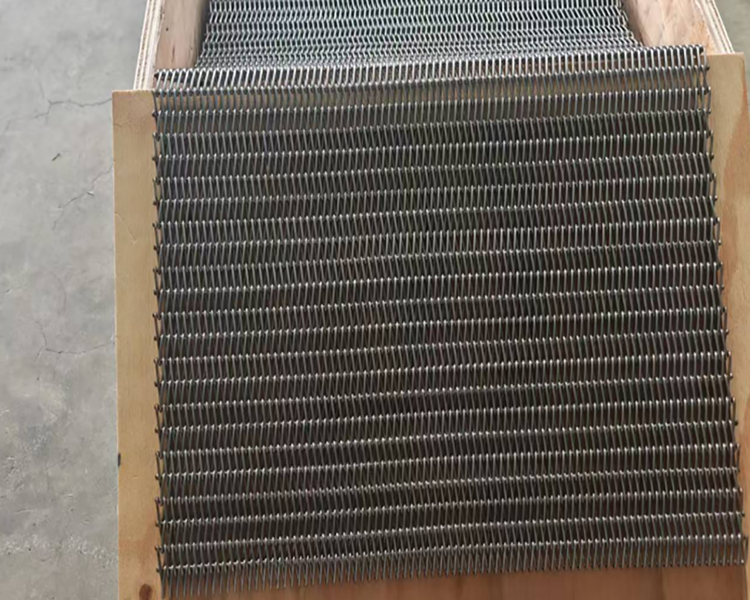
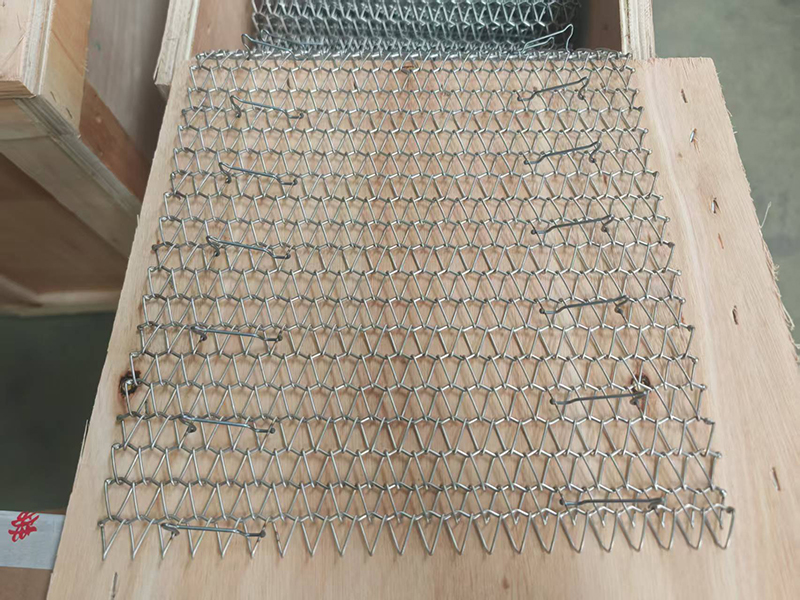
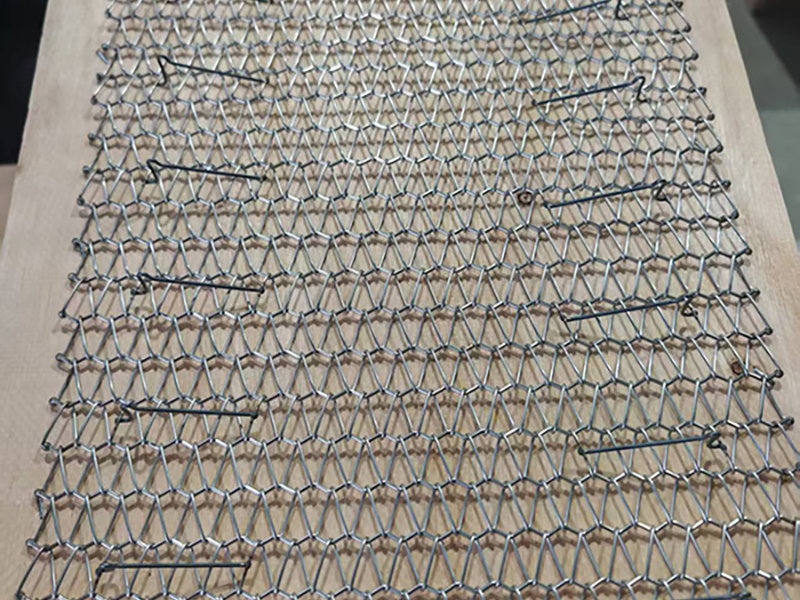
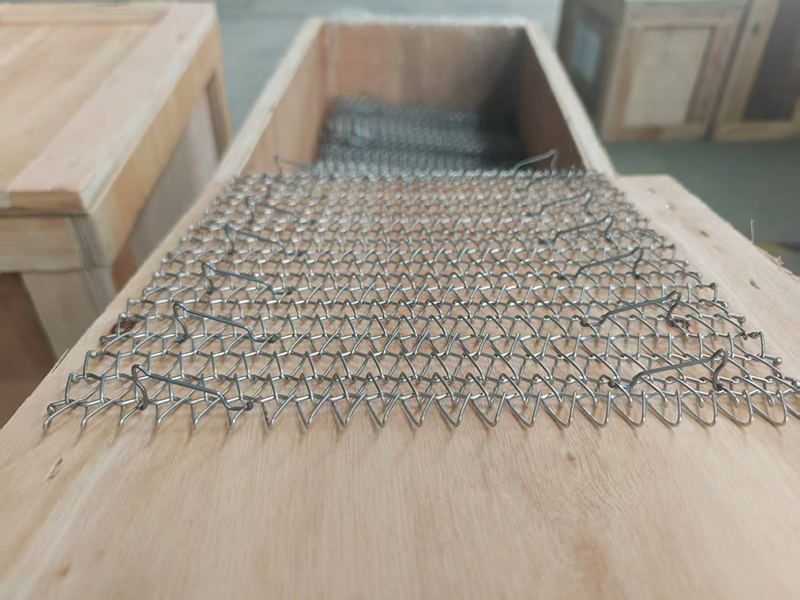
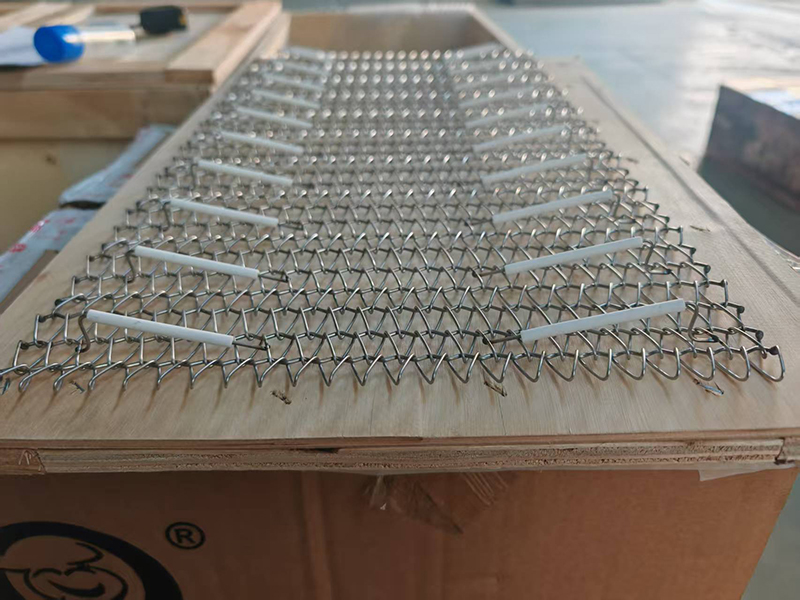
Modern Conveyor Belts for solar cell lines address this through precision balance weave geometries:
High-Density Flat Wire Weaves: Provides maximum surface contact area, supporting fragile wafers evenly without point-pressure stress.
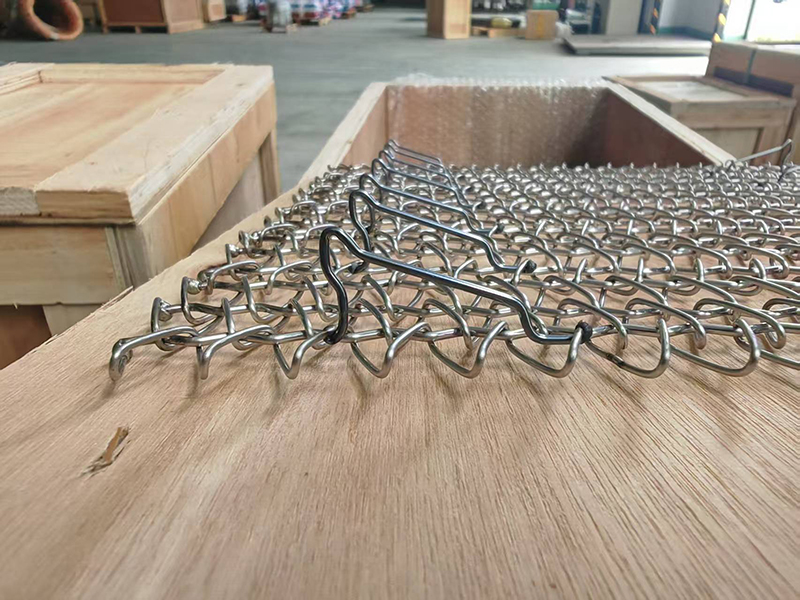
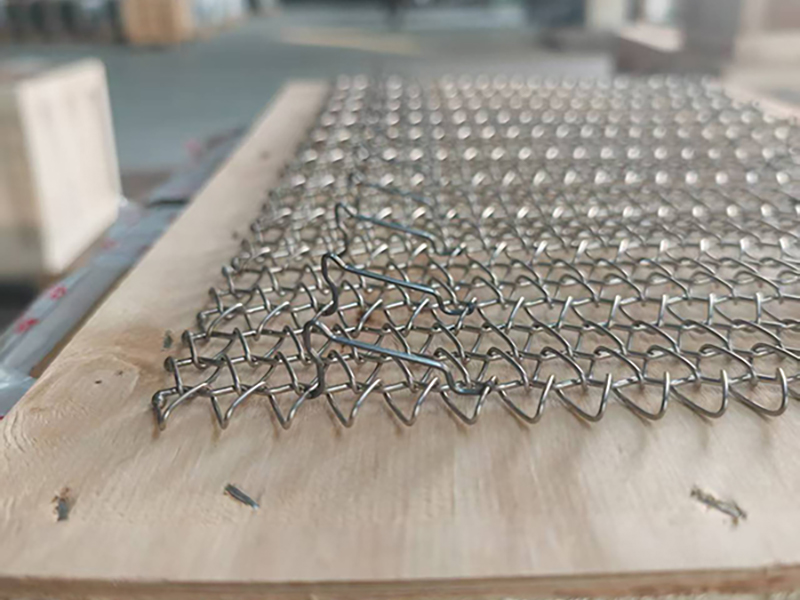
Low-Profile Spiral Construction: Minimizes vertical deflection and maintains absolute planarity across wide furnace widths.
Precision Edging (Welded or Knuckled): Prevents edge fraying and snags, eliminating subtle speed variations caused by drive sprocket misalignment.
3. Optimizing Thermal Mass for Energy Efficiency and Process Control
In high-speed sintering, furnace heat should transfer into the solar wafer—not be absorbed by a heavy conveyor belt. High-mass belts act as heat sinks, requiring significantly higher energy input from furnace heating elements and creating wider temperature gradients across the line.
The industry trend points toward lightweight, high-strength wire mesh designs. By refining wire diameter and spiral pitch while utilizing higher-tensile alloys, engineers can reduce total belt weight without sacrificing load capacity or operational lifespan.
Benefits of Optimized Thermal Mass:
Faster Response Times: Furnace heating zones adjust temperature setpoints with greater precision.
Energy Savings: Lower thermal inertia reduces kilowatts consumed per megawatt of cell output.
Consistent Contact Temperature: Minimized delta-T between the belt and wafer surface prevents thermal shock at the entry stage.
4. Total Line Integration: From Sintering to Automated Handling
As PV factories shift toward Industry 4.0 automation, conveyor belts are no longer isolated mechanical parts—they are integrated components of smart production lines. Belt tracking stability, pitch uniformity, and low-friction driving mechanisms directly impact downstream optical sorting, automated picking, and EL (electroluminescence) testing systems.
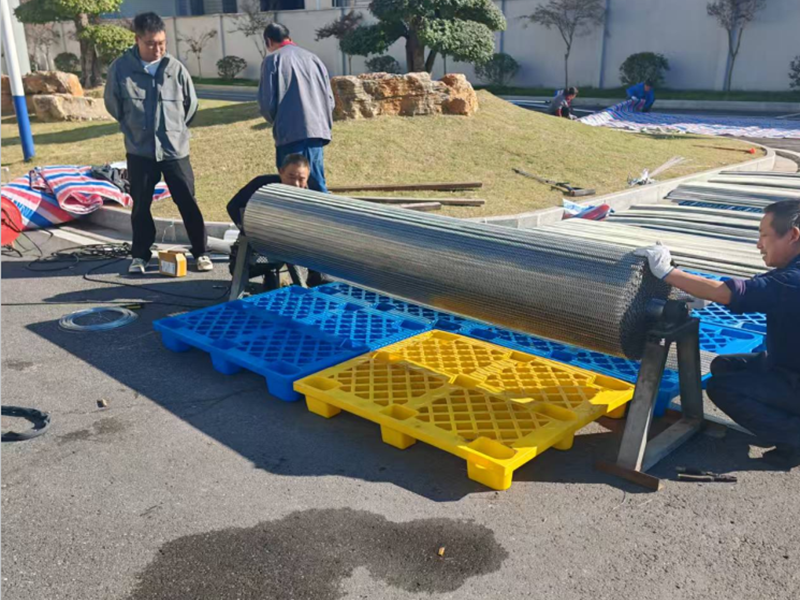
For long-term reliability in high-throughput solar lines, custom-engineered drive systems (such as precision sprockets and positive-drive balance mesh) prevent belt slipping and edge drift, guaranteeing smooth, continuous wafer flow through 24/7 manufacturing operations.
Elevate Your Solar Production Yields with Custom Mesh Solutions
As solar cell technologies continue to evolve, high-performance manufacturing depends on equipment built specifically for extreme thermal and mechanical demands. Standard off-the-shelf conveyor belts simply cannot deliver the stability required for modern high-efficiency cell lines.
At Huada Metal Mesh Belt (www.globalmeshbelt.com), we engineer high-temperature wire mesh belts tailored for solar metallization furnaces, sintering lines, and automated glass processing equipment. By combining heat-resistant alloys, high-precision weaving, and custom edge configurations, our solutions help PV manufacturers reduce downtime, eliminate contamination, and maximize production yields.
Upgrading your solar firing line or designing a new process furnace?
Visit GlobalMeshBelt.com to explore our technical capabilities or request a custom engineering consultation for your specific line parameters.