






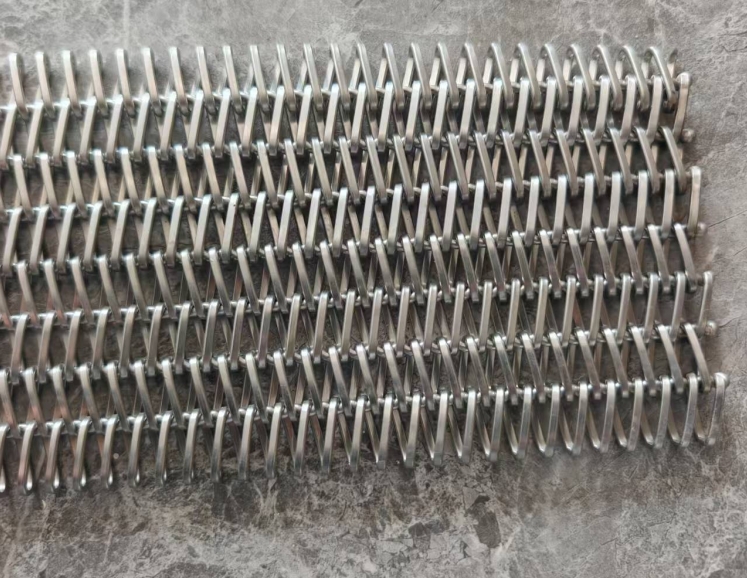
What Makes a High-Performance Furnace Belt?
In thermal processing industries—such as powder metallurgy sintering, metal brazing, glass annealing, and heat treating—the metal mesh conveyor belt is the operational backbone of continuous furnace lines. Operating at temperatures ranging from 600°C to well over 1150°C, these belts endure extreme thermal stress, continuous tensile load, and aggressive furnace atmospheres. Premium Furnace Belts deliver extended service life, minimal elongation, and smooth mechanical travel, whereas lower-grade belts suffer from catastrophic thermal camber, premature wire distortion, and frequent unscheduled downtime.
Understanding what elevates a standard wire Mesh Belt into a high-performance furnace belt requires evaluating metallurgy, weave geometry, cross-rod engineering, and edge construction.
1. Metallurgical Integrity: Matching Alloys to Thermal Environments
The primary factor determining a furnace belt’s lifespan is alloy selection matched precisely to the operating temperature and chemical atmosphere (e.g., endothermic gas, hydrogen, dissociated ammonia, or nitrogen-based atmospheres):
· AISI 314 (1.4841): High silicon content forms a dense, protective oxide scale that resists high-temperature oxidation in air and combustion gases up to 1150°C.
· Inconel 601 (UNS N06601): A nickel-chromium-aluminum superalloy that offers exceptional resistance to carburization, oxidation, and spalling under severe thermal cycling up to 1200°C+.
· 310S Stainless Steel: An austenitic stainless steel providing high creep resistance and structural integrity in moderate carbonaceous environments up to 1100°C.
· Nichrome Alloys (e.g., 35-19 / 80-20): Renowned for resisting thermal shock and heavy carbon pickup, making them ideal for high-precision sintering and copper brazing lines.
2. Precision Weave Construction and Pitch Stability
A furnace belt’s structural stability under load is governed by its weave geometry. High-performance belts typically utilize Compound Balanced (CB) or Balanced Spiral (BS) weaves engineered to neutralize internal mechanical stresses:
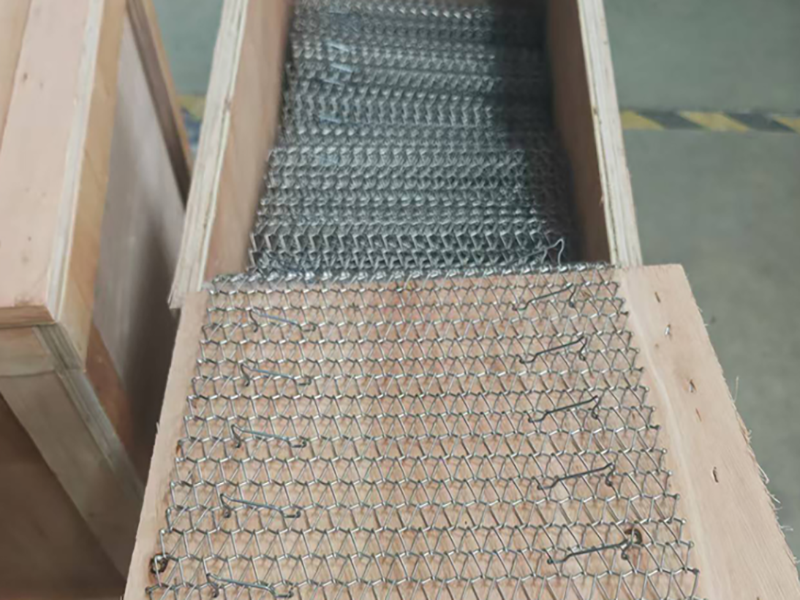
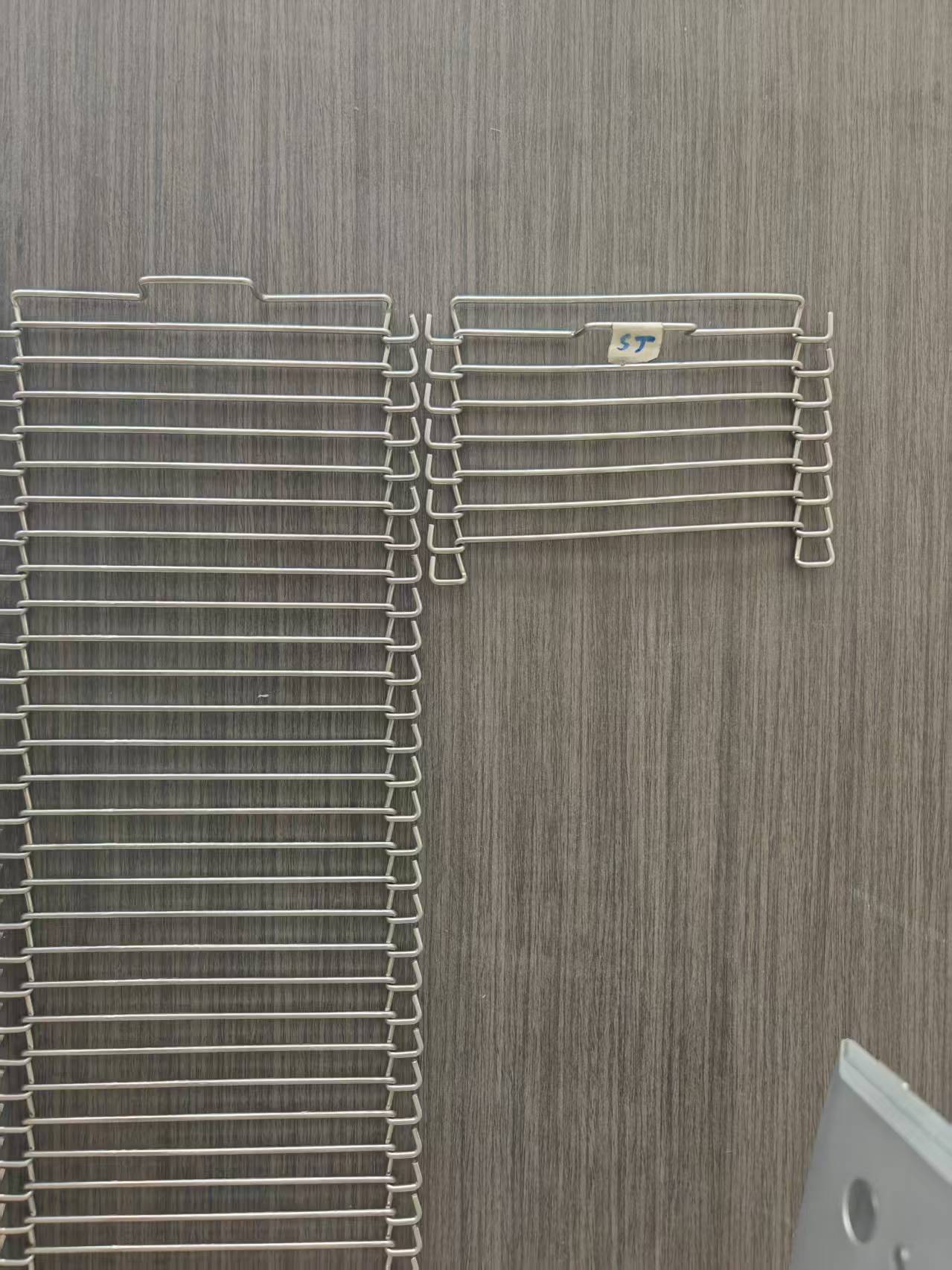
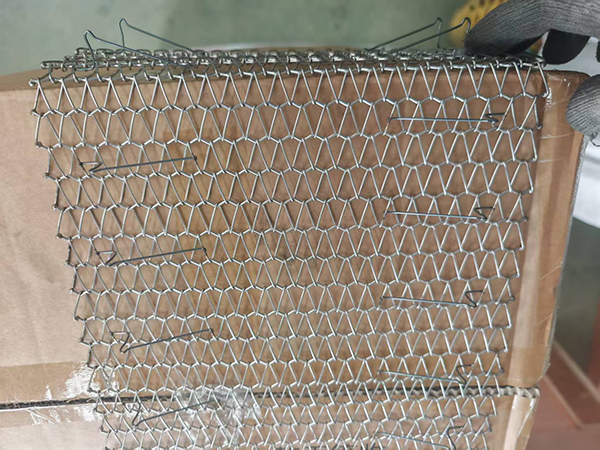
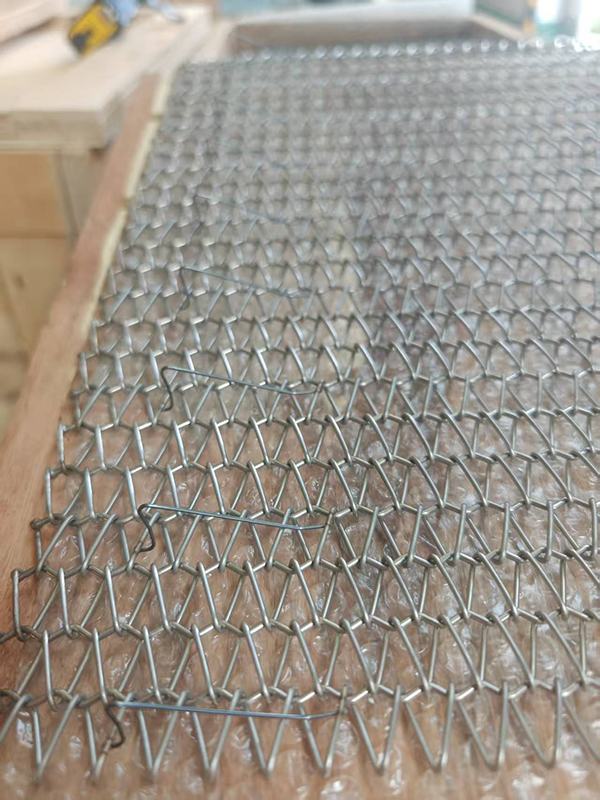
· Balanced Spiral Weave: Alternating left-hand and right-hand spiral coils joined by straight or crimped cross-rods prevent the belt from tracking or pulling to one side under tension.
· Pre-Crimp Cross Rod Technology: High-performance belts feature precision-crimped connector rods that seat the spiral wires firmly in place, eliminating lateral slippage and reducing initial "stretch" or pitch elongation during break-in runs.
· Pitch Uniformity: Consistent wire diameter and uniform coil spacing ensure even heat distribution across the belt surface, preventing hot spots and localized sag.
3. Edge Reinforcement: Welding, Knuckling, and Baffles
Belt edges endure significant shear stresses against furnace hearth plates, support tracks, and drive sprockets. High-performance furnace belts incorporate specialized edge finishes:
· Welded Button Edges (TIG-Welded): Cross rods and spiral wires are TIG-welded under controlled shielding gas to form smooth, flat buttons that prevent snagging and resist fatigue cracking.
· Knuckled Edges: Wire ends are bent back into a tight mechanical interlock, offering flexibility for curved drives or lighter-duty annealing lines.
· Welded Side Plates & Baffles: For conveying small powder metallurgy parts or fasteners, high-performance belts feature integrated, high-alloy side guards welded directly to the cross rods to prevent product fall-off inside the furnace chamber.
4. Drive Mechanism Integration: Friction vs. Positive Drive
How power is transmitted to the belt directly impacts its thermal lifespan. Friction drive drums require precise tension control to avoid over-stretching hot metal mesh, whereas positive chain-driven mesh belts (utilizing high-temperature roller chains attached to extended cross rods) eliminate slippage altogether on heavy-duty sintering and hardening lines.
Summary & Key Takeaways
Investing in a high-performance furnace belt is a strategic decision that pays dividends through reduced downtime, lower energy consumption, and consistent heat-treating quality. By selecting the correct high-temperature alloy, pre-crimped balance weave, and reinforced edge design, thermal processing operators can achieve maximum operational reliability.
Partner with Huada Metal Mesh Belt
At Huada Metal Mesh Belt, we specialize in designing and manufacturing engineered metal mesh conveyor belts tailored for demanding high-temperature furnace applications, including sintering, brazing, annealing, and tempering lines.
Explore our complete engineering catalog and technical specifications at www.globalmeshbelt.com or contact our application engineers for custom material selection and competitive project quotes.