


What Materials Are Used in Solar Sintering Furnace Belts?
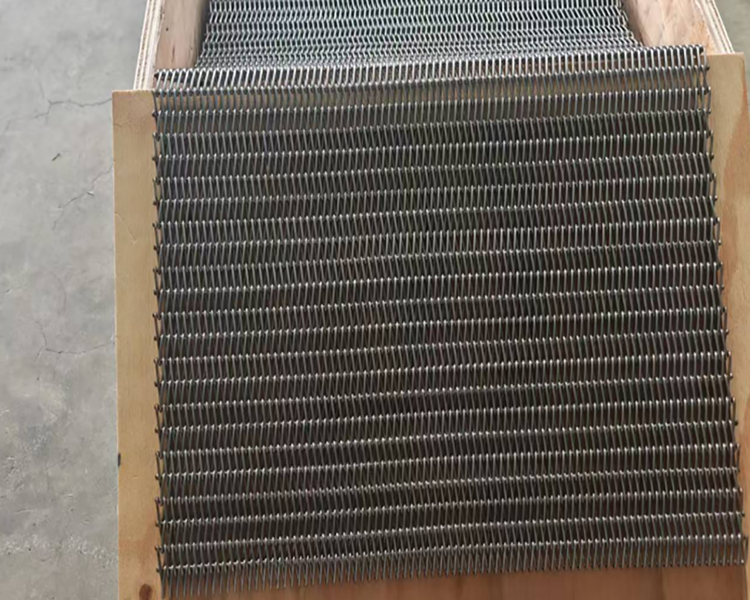
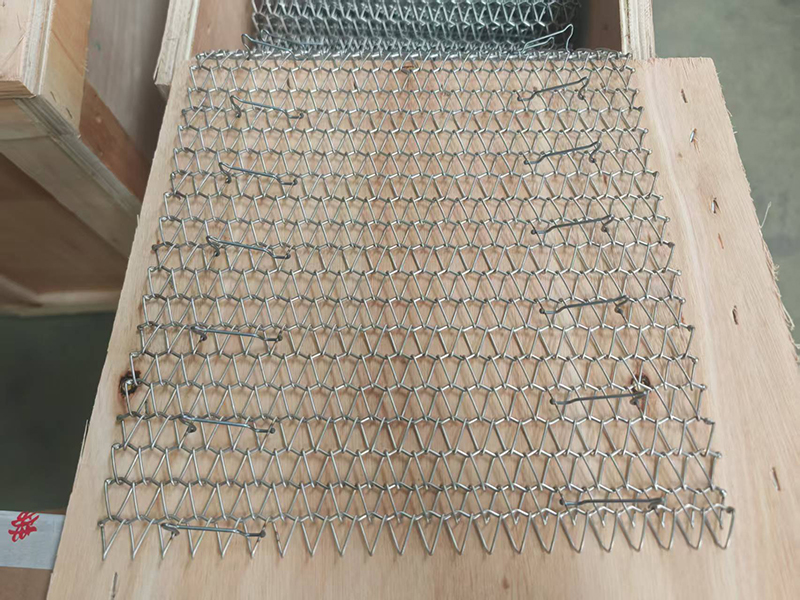
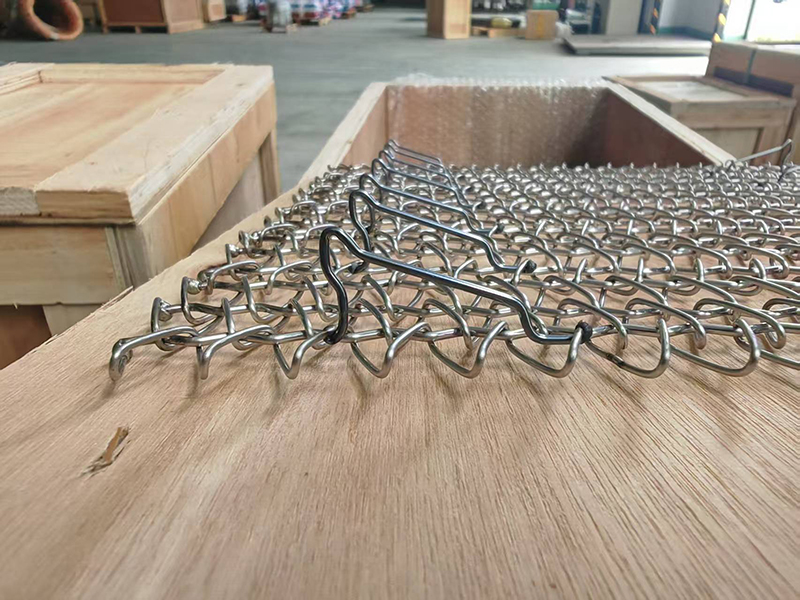
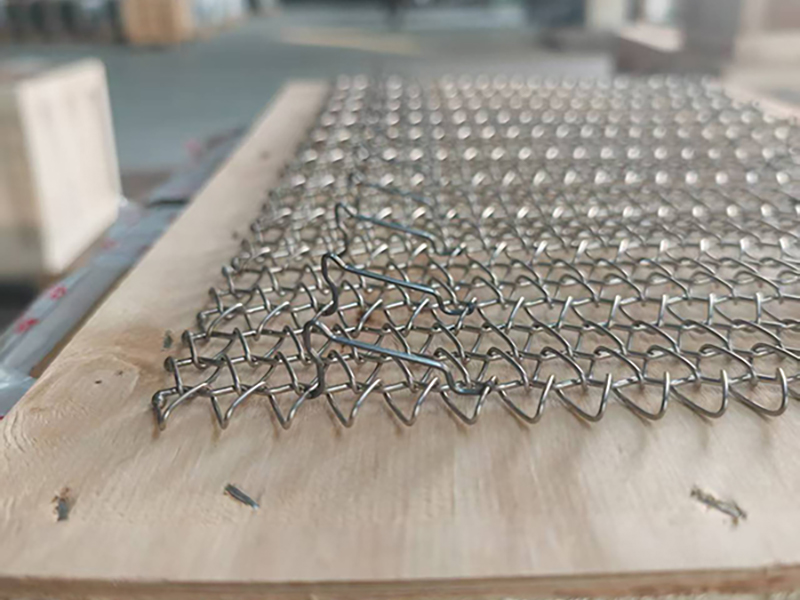
In photovoltaic (PV) cell manufacturing, the solar metallization firing process represents a critical stage that determines the conversion efficiency of silicon wafers. Within the solar sintering furnace, the Mesh Belt acts as the continuous thermodynamic vehicle, transporting fragile wafers through fast-firing thermal zones that rapidly peak between 700°C and 900°C. Because these belts undergo aggressive thermal cycling, extreme mechanical tension, and exposure to corrosive volatile fluxes, selecting the precise metallurgical composition is essential to prevent thermal fatigue and costly wafer contamination.
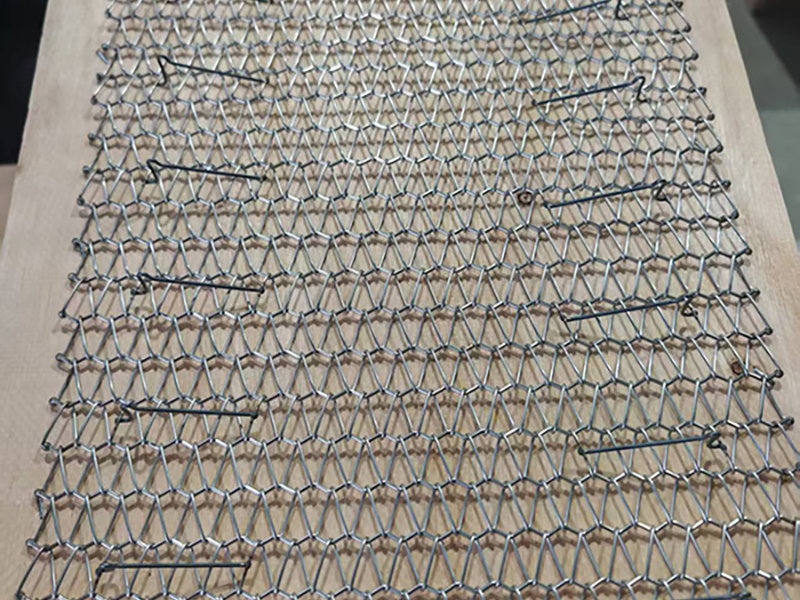
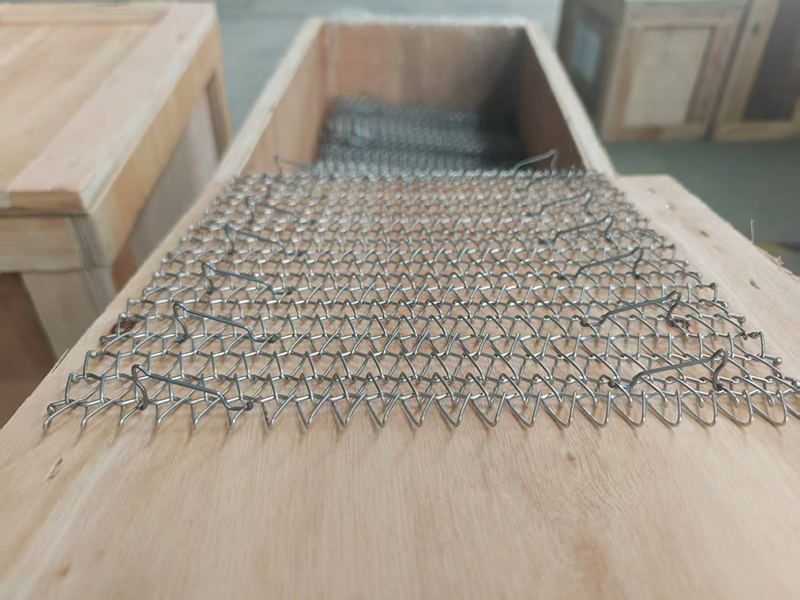
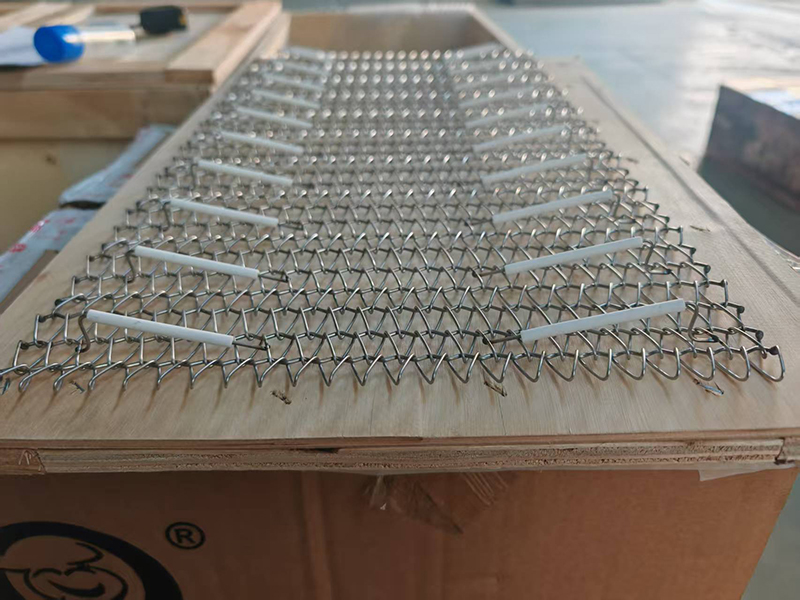
To ensure structuralintegrity and pure thermal transmission, industrial Furnace Belts rely on specific high-performance superalloys tailored for the photovoltaic sector.
For elite solar sintering environments, high-nickel chromium alloys (such as Inconel 601 or specialized Nichrome variants) serve as the premium standard. These materials are engineered to maintain mechanical tensile strength at elevated operating limits.
- Oxidation Resistance: The high chromium content reacts with atmospheric oxygen to form a continuous, tightly adherent microscopic oxide layer. This passivation skin prevents destructive scaling, which could otherwise drop micro-particles onto silicon surfaces and ruin cell circuitry.
- Thermal Fatigue Mitigation:High nickel content stabilizes the austenitic grain structure, protecting the interwOven Wire Mesh from embrittlement caused by rapid heating and cooling cycles.
Where thermal profiles are strictly regulated and cost-performance balance is critical, advanced austenitic stainless steels like SUS 314 are extensively deployed.
- Silicon and Nickel Balance: SUS 314 contains elevated silicon levels (typically 1.5% to 3%), which drastically enhances its resistance to carburization and high-temperature oxidation.
- Creep Deformity Resistance: The structural weave maintains dimensional flatness across wide furnace beds, ensuring that solar wafers remain perfectly horizontal without experiencing localized sliding or structural distortion during the paste-firing sequence.
Engineering Imperative: Microalloying additions, including trace amounts of Rare Earth Elements (REE) or aluminum, are increasingly woven into modern mesh wires to further secure cross-sectional stability and extend the operational life of the belt by up to 30% under fast-firing stresses.
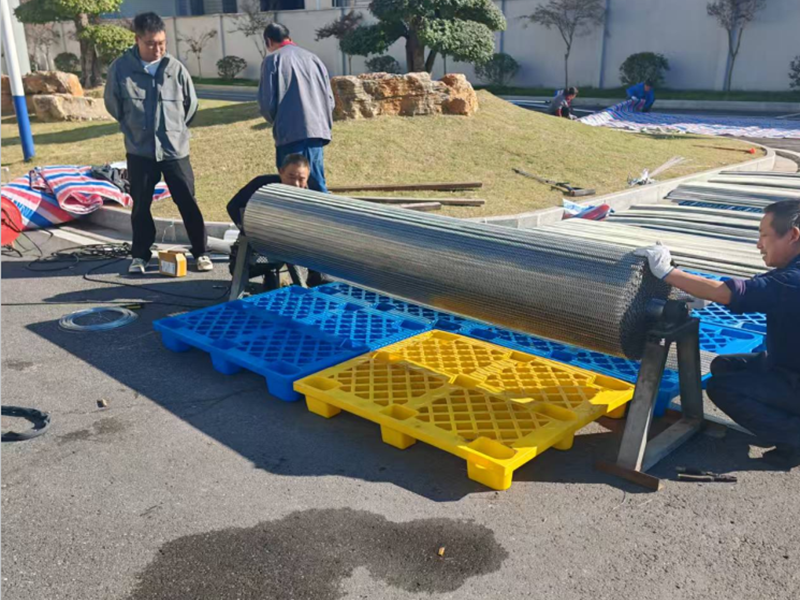
Optimizing the operational lifespan of a solar sintering furnace belt requires deep metallurgical expertise and rigorous quality control. Huada Metal Mesh Belt (https://www.globalmeshbelt.com/) engineered high-performance industrial conveyor mesh belts designed specifically for the rigorous demands of global photovoltaic manufacturing lines. By utilizing certified high-purity alloys, optimizing precision wire-drawing tolerances, and applying specialized pre-oxidation surface treatments, we deliver furnace belts that minimize carbon footprint, eliminate micro-particulate shedding, and guarantee uniform thermal conductivity. Explore our specialized solar firing configurations at our official technical portal to secure your production yields.