




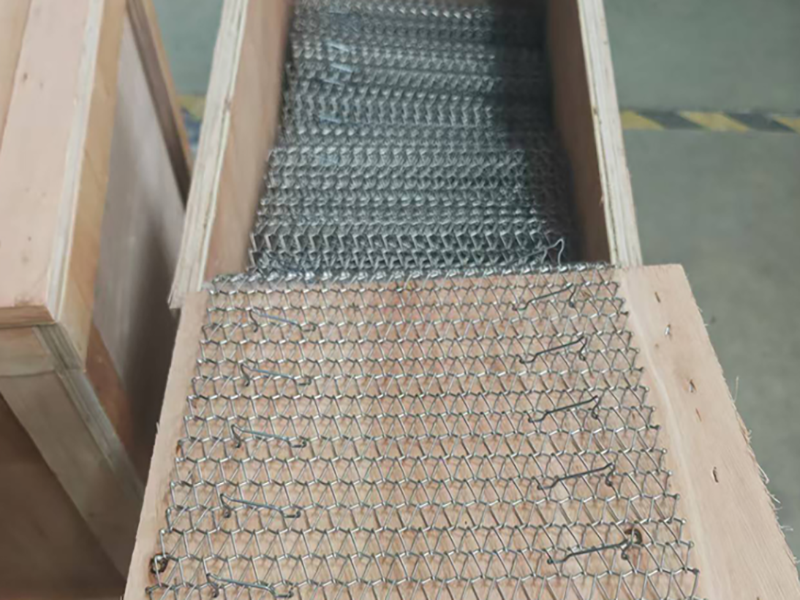

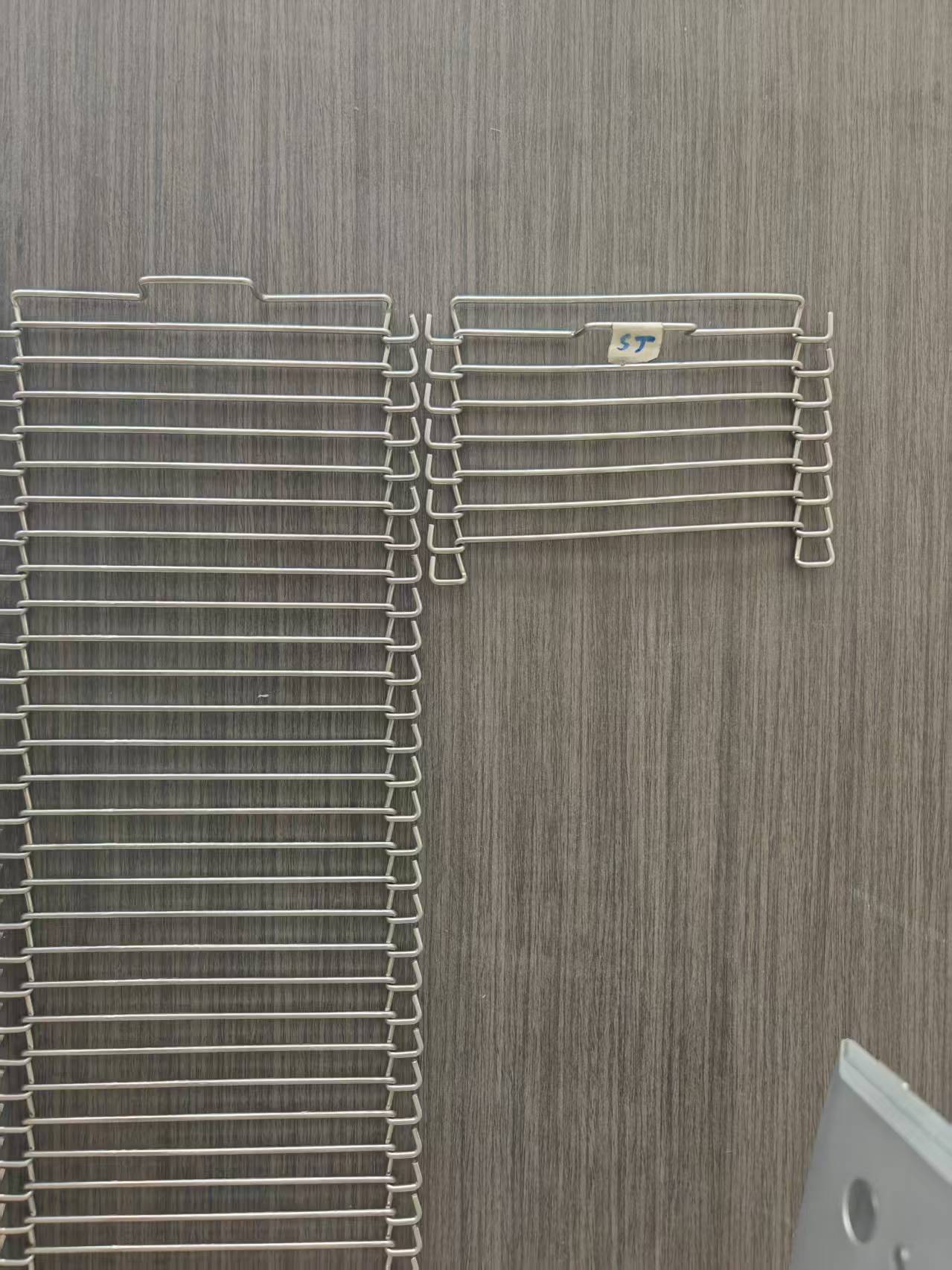

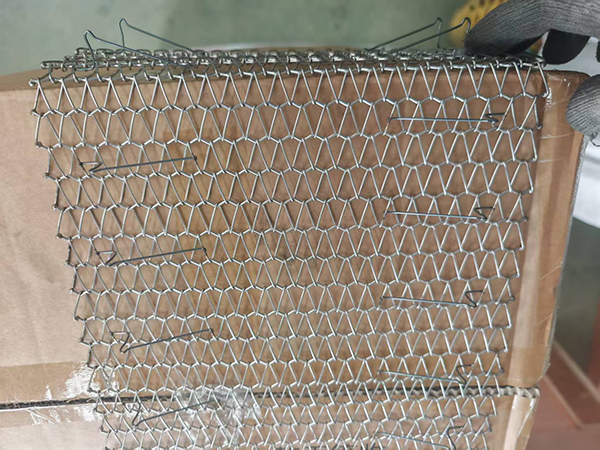
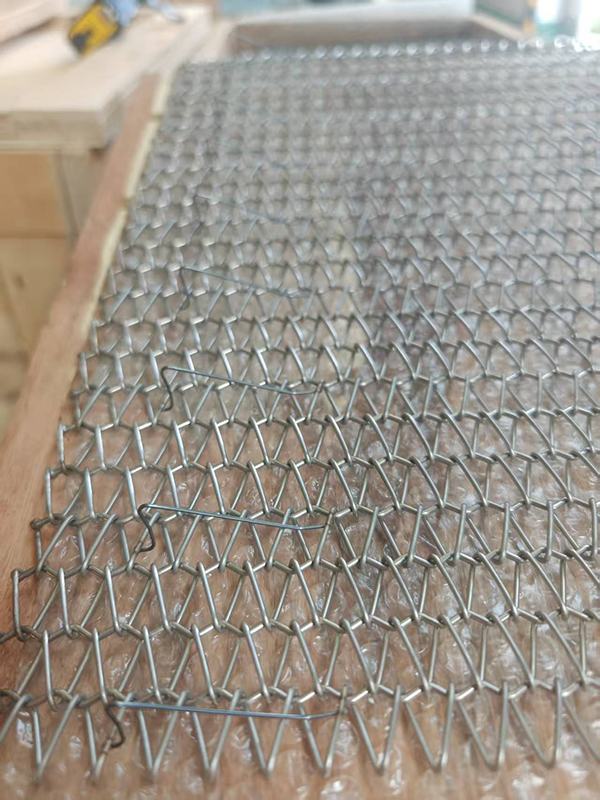
Why 316 Stainless Steel is Essential for Corrosive Processing Environments
When designing or maintaining industrial conveyor systems for harsh processing environments, material selection is the single most critical factor determining operating life, safety, and cost-efficiency. Among the various alloys available for Metal Mesh Belts, 316 stainless steel stands out as the premium standard for applications involving severe chemical exposure, high moisture, and extreme temperatures.
At Huada Metal Mesh Belt (https://www.globalmeshbelt.com), we specialize in manufacturing high-performance Wire Mesh conveyors tailored to demanding industrial workflows. Understanding why 316 stainless steel behaves the way it does in corrosive environments is vital for optimizing your production line's uptime.
The Chemistry Behind the Resistance: 304 vs. 316 Stainless Steel
To truly appreciate the value of 316 stainless steel, it is helpful to contrast it with 304 stainless steel, the most common standard industrial grade. Both alloys contain chromium (typically 18%) and nickel (around 8–10%), which provide a basic layer of oxidation resistance by forming a microscopic, self-healing chromium oxide film on the metal's surface.
However, 304 stainless steel possesses a critical vulnerability: it is highly susceptible to pitting and crevice corrosion when exposed to chlorides (such as industrial salts, marine environments, or chlorinated cleaning agents).
The defining distinction of 316 stainless steel is the addition of 2% to 3% Molybdenum (Mo) to its chemical composition. This specific chemical modification drastically enhances the alloy’s resistance to:
- Chloride Pitting: Small, localized holes that bore deep into the metal, causing rapid mechanical failure.
- Crevice Corrosion: Attack occurring in shielded, low-oxygen gaps, such as inside wire mesh intersections or under belt drive sprockets.
- Industrial Acids: Enhanced tolerance against acetic, formic, phosphoric, and mild sulfuric acid solutions.
Why Wire Mesh Belts Demand 316 Stainless Steel
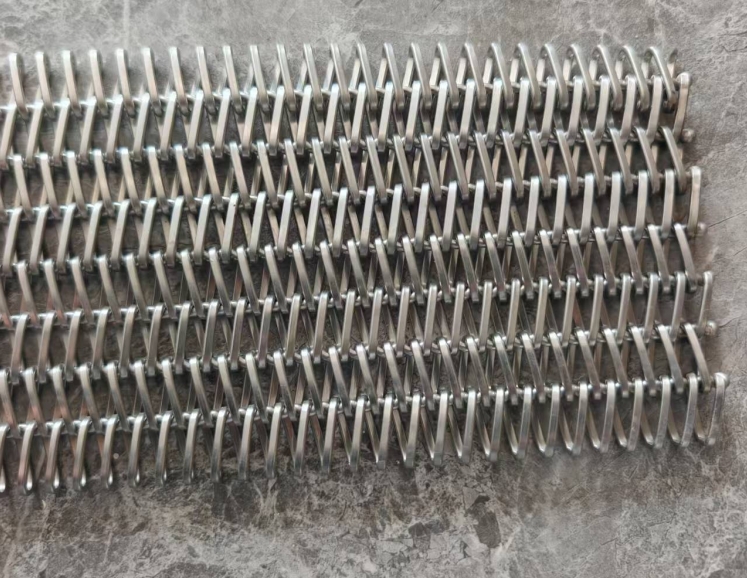
Conveyor belts built from wire mesh present unique structural challenges in corrosive environments. Unlike solid metal sheets, a wire mesh belt features thousands of microscopic friction points, hinges, welds, and interwoven wires. These geometric complexities inherently create micro-environments where corrosive fluids can become trapped.
- Preventing Crevice and Pitting Corrosion in High-Moisture Zones
In applications like food processing, seafood freezing, or chemical washing, the conveyor belt is constantly saturated. Standard metals experience rapid structural decay at the articulation joints where wires overlap. 316 stainless steel ensures that these tightly packed structural joints remain stable, avoiding the sudden snap of individual wires that can lead to catastrophic belt tracking issues or complete line breakdowns.
- Endurance in High-Temperature Chemical Processing
Many industrial ovens, drying systems, and heat-treatment processes involve a combination of elevated temperatures and volatile chemical byproducts. Under high thermal stress, standard metals oxidize rapidly, producing flaky scale layers that can contaminate products. 316 stainless steel maintains structural integrity and oxidation resistance up to 870°C (1600°F), ensuring long-term operational consistency for continuous baking, annealing, or chemical curing lines.
- Withstanding Aggressive Washdown and Sanitation Protocols
In modern processing facilities, hygiene standards require rigorous Clean-in-Place (CIP) cycles. These protocols utilize highly caustic detergents, concentrated acids, and high-pressure hot water to eliminate bacterial risks. While these chemicals clean the product surfaces, they simultaneously attack the conveyor framework. Choosing a 316 stainless steel wire mesh belt from Global Mesh Belt ensures your equipment survives daily chemical sanitation without losing its mechanical strength or cleanability.
Primary Industrial Applications Benefiting from 316 Mesh Belts
The deployment of 316 stainless steel is essential across several core industries where asset protection and processing reliability cannot be compromised:
- Food & Beverage Processing: From meat and poultry washing to pickling, citrus juice extraction, and salty snack seasoning, 316 steel prevents iron contamination, meets stringent FDA requirements, and resists organic food acids.
- Chemical & Pharmaceutical Manufacturing: Processes moving through acidic baths, aggressive rinsing stages, or chemical drying rely heavily on 316 mesh belts to prevent catalytic contamination of delicate compounds.
- Marine & Coastal Facilities: Sea air and high-salinity processing lines cause rapid rust in lower-grade alloys. 316 stainless steel is the undisputed marine-grade choice for handling seafood processing directly on vessels or coastal plants.
- Industrial Waste and Water Treatment: Belts filtering sludge or handling corrosive wastewater streams depend on the molybdenum-enriched structure to counter complex chemical cocktails.
Long-Term ROI: Why the Initial Investment Saves Money
While 316 stainless steel carries a higher initial material cost compared to 304 steel or carbon steel, evaluating the Total Cost of Ownership (TCO) reveals a dramatic financial advantage:
1. Reduced Downtime: Replacing a snapped or warped conveyor belt halts production. Every hour a manufacturing line sits idle costs thousands of dollars. The prolonged lifespan of 316 steel minimizes unplanned maintenance windows.
2. Safety and Compliance: Structural failure of a heavy-duty mesh belt posing safety hazards to line workers is a major liability. Furthermore, pitting corrosion can harbor biological pathogens, jeopardizing hygiene compliance.
3. Extended Equipment Life: A premium 316 mesh belt from Global Mesh Belt frequently outlasts 304 alternatives by a factor of two or three in high-chloride environments, significantly lowering long-term capital expenditure.
Custom Conveyor Solutions at Huada Metal Mesh Belt
Selecting the right grade of steel is only half the battle; precision manufacturing determines how that material performs under tension. At Global Mesh Belt, we couple the chemical superiority of premium 316 stainless steel with advanced engineering. Our manufacturing process ensures clean welds, accurate pitch, and optimal tensile balance across the entire width of the belt.
Whether you operate a balanced weave conveyor, flat wire belt, or custom chain-driven mesh network, our team works closely with your engineering department to match your processing parameters with the ideal wire specification.
Investing in high-quality materials means investing in the predictability and safety of your production output. Explore our comprehensive catalog of industrial wire mesh conveyor solutions at Huada Metal Mesh Belt or contact our technical sales team today to request a quote or an engineering consultation for your upcoming processing upgrade.