






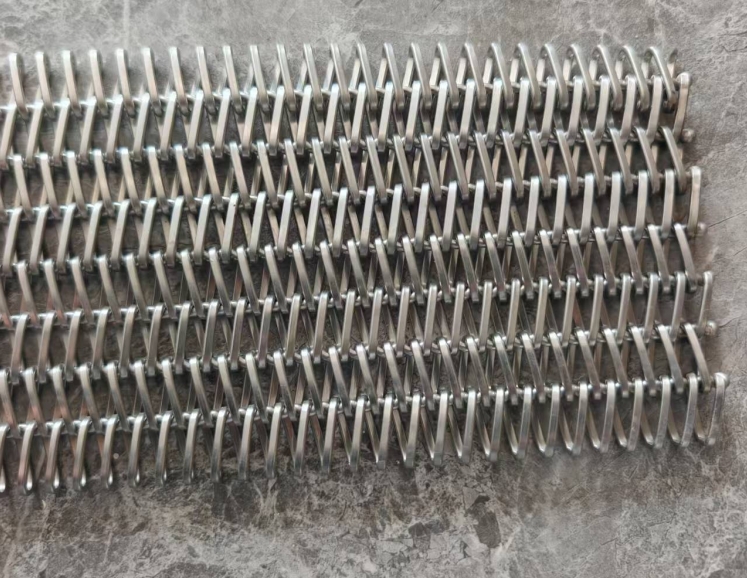
Why Belt Stability Is Critical in Solar Sintering Furnaces
In photovoltaic (PV) silicon solar cell manufacturing, the firing and sintering furnace represents a decisive stage in determining final cell conversion efficiency and mechanical yield. During fast co-firing, screen-printed metallic pastes (silver and aluminum) must form low-resistance ohmic contacts with silicon wafers within narrow temperature windows—often exceeding 800°C—at rapid belt speeds.
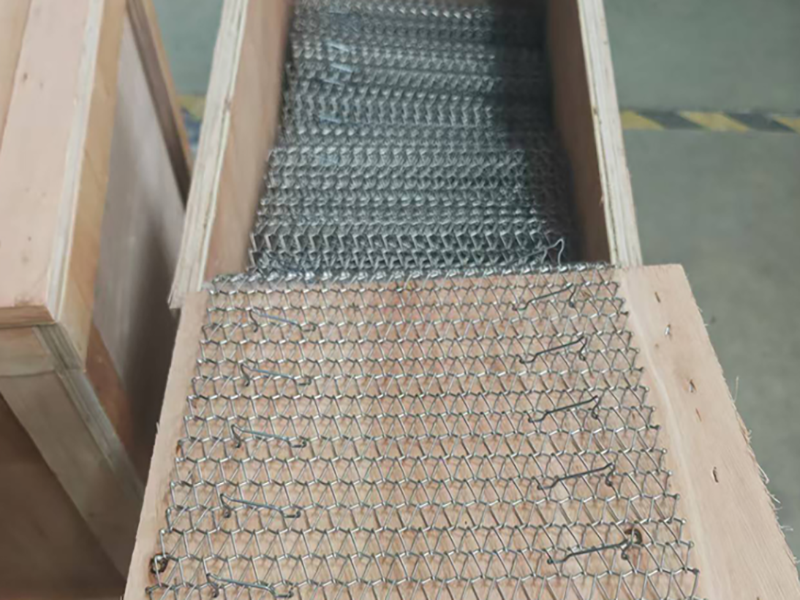
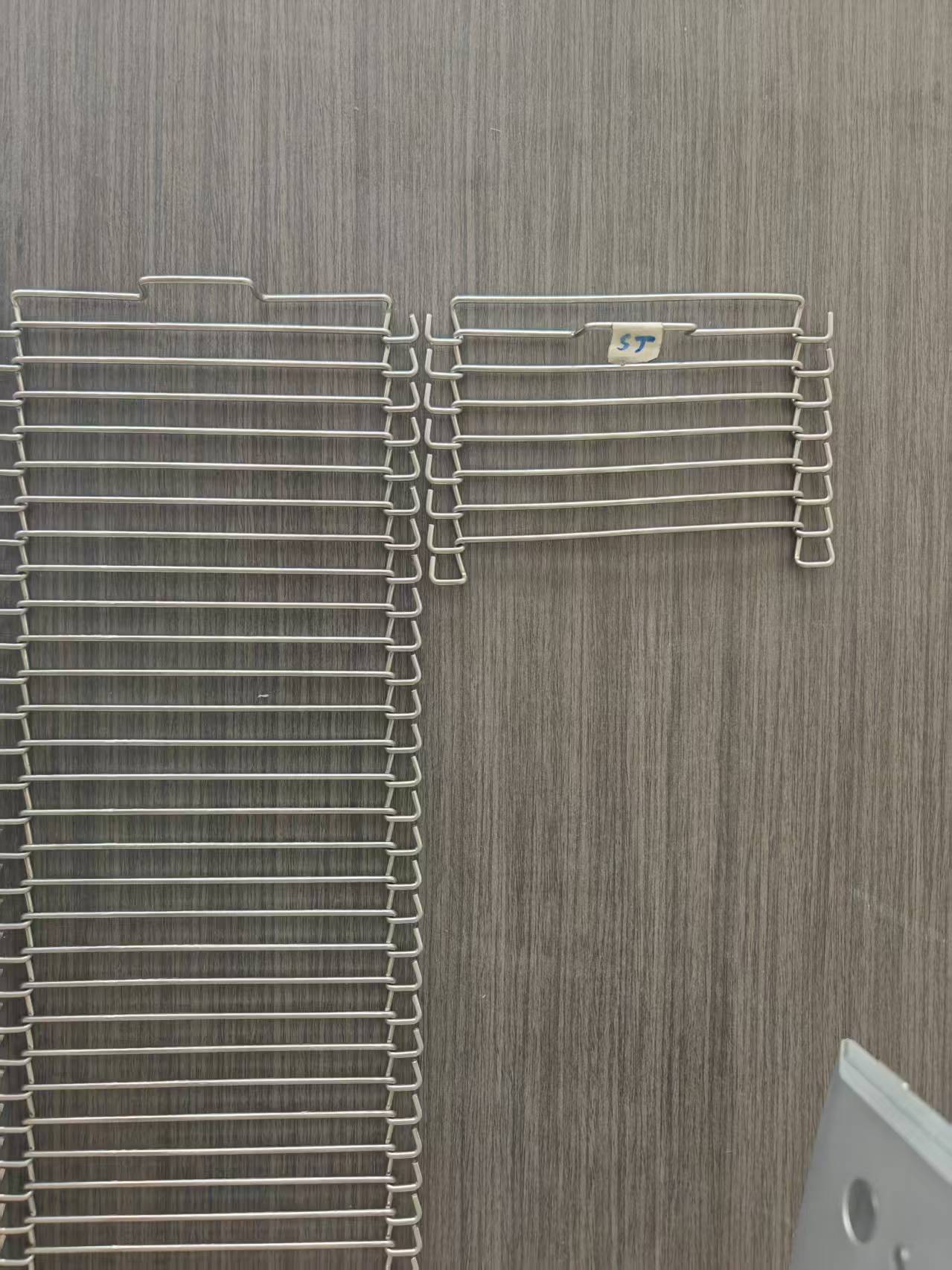
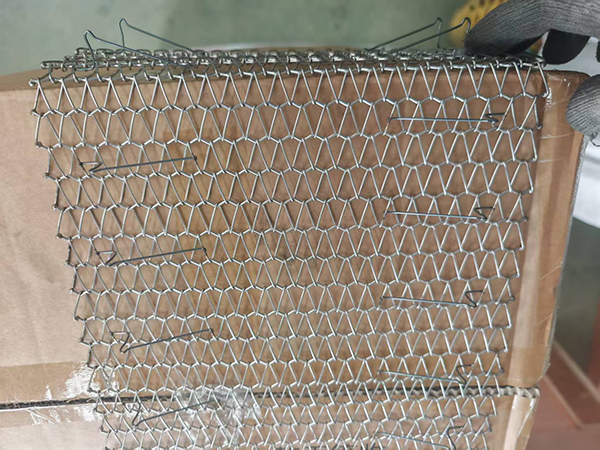
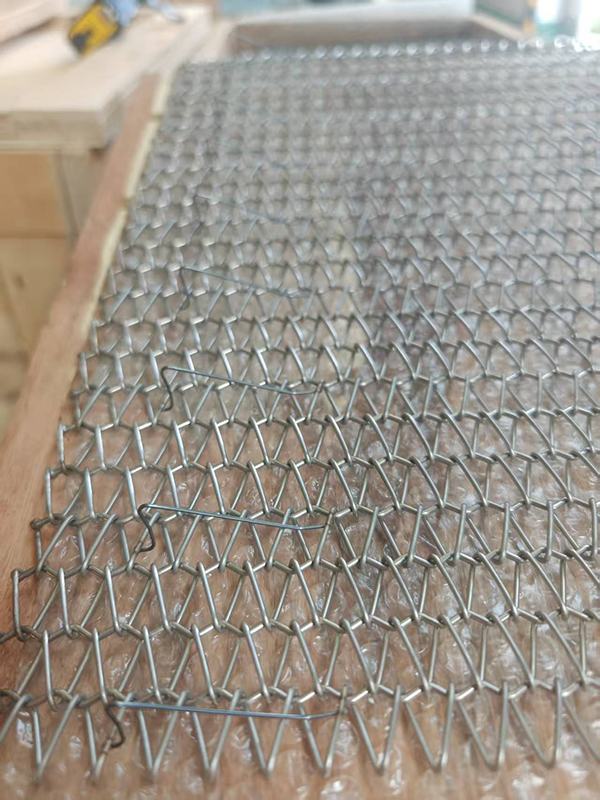
While heating profiles and optical pyrometry garner significant attention, the mechanical stability of the high-temperature Mesh Belt is the foundational factor underpinning process consistency. Even minor belt vibrations, micro-shuddering, lateral mistracking, or thermal distortion can trigger micro-cracks, non-uniform contact formation, and costly production downtime. Below, we examine the physics behind belt behavior in sintering kilns and explain how engineered conveyor solutions fromHuada Metal Mesh Beltsafeguard high-volume PV wafer production.
1. Elimination of Mechanical Vibration and Wafer Micro-Cracking
Modern ultra-thin silicon wafers (often under 130 microns) are extremely vulnerable to mechanical shock while traversing thermal transition zones in Continuous Belt Furnaces. Vibration during transfer introduces two major risks:
2. Maintaining Thermal Uniformity Across the Heating Zone
Thermal stability is tightly linked to belt geometry and material mass. In fast co-firing solar sintering furnaces, the Wire Mesh acts as a moving thermal mass that directly affects infrared (IR) radiative heating patterns.
3. High-Temperature Alloy Selection for Long-Term Dimensional Stability
Operating continuously at temperatures between 750°C and 900°C causes rapid oxidation and thermal fatigue in standard stainless steels. Solar sintering furnaces require specialized high-nickel, high-chromium alloys (such as Inconel 601 or specialized heat-resistant grades) that offer:
Achieving stable, vibration-free conveying in photovoltaic sintering furnaces demands tight metallurgical control and precise manufacturing execution. At , we design and produce specialized high-temperature metal mesh belts tailored for solar cell firing kilns, glass processing, and heat treating applications.