






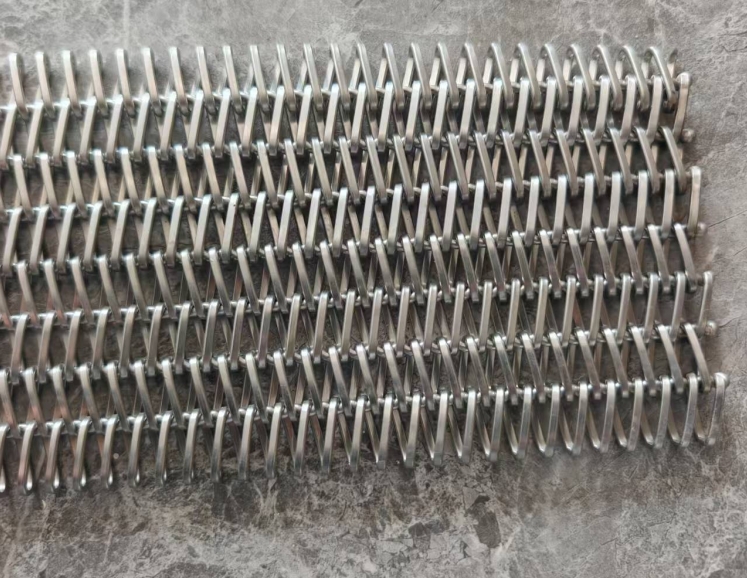
Why Furnace Belts Matter in Solar Cell Production: The Unsung Heroes of Photovoltaic Efficiency
The global transition toward renewable energy has placed immense pressure on photovoltaic (PV) manufacturers to scale production while driving down the per-watt cost of solar cells. In the highly automated assembly lines of modern solar cell manufacturing, significant attention is given to chemical vapor deposition, laser doping, and silicon purity. However, one mechanical component operating quietly at the heart of the thermal processing stage holds a disproportionate impact on final cell efficiency and factory yield: the Furnace Mesh Belt.
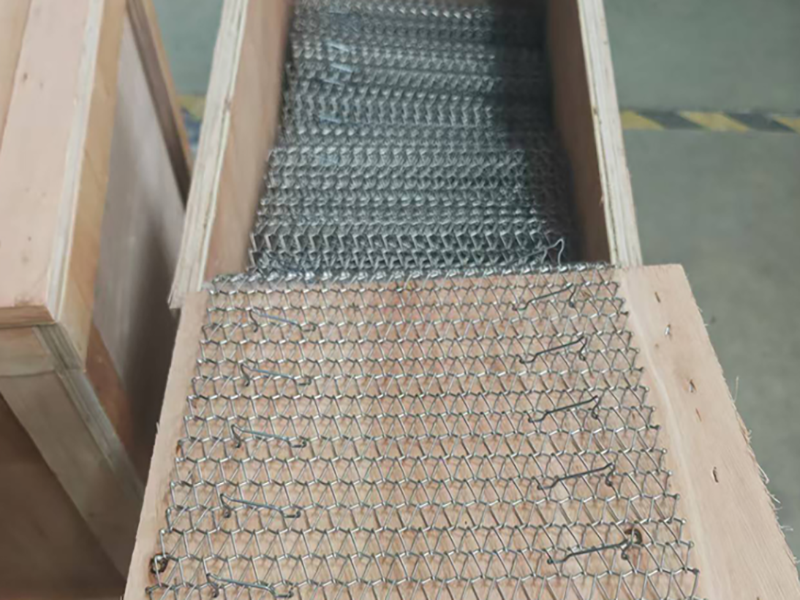
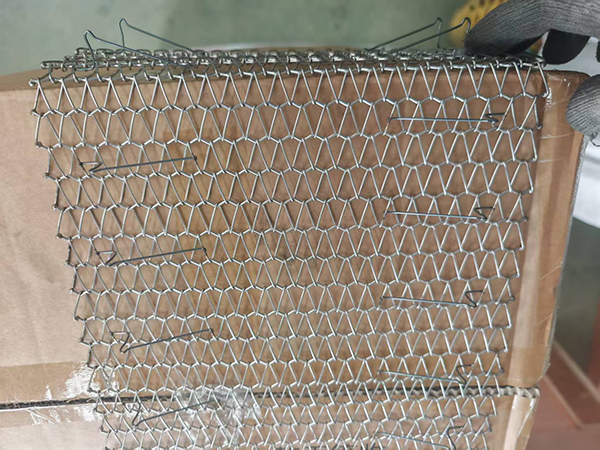
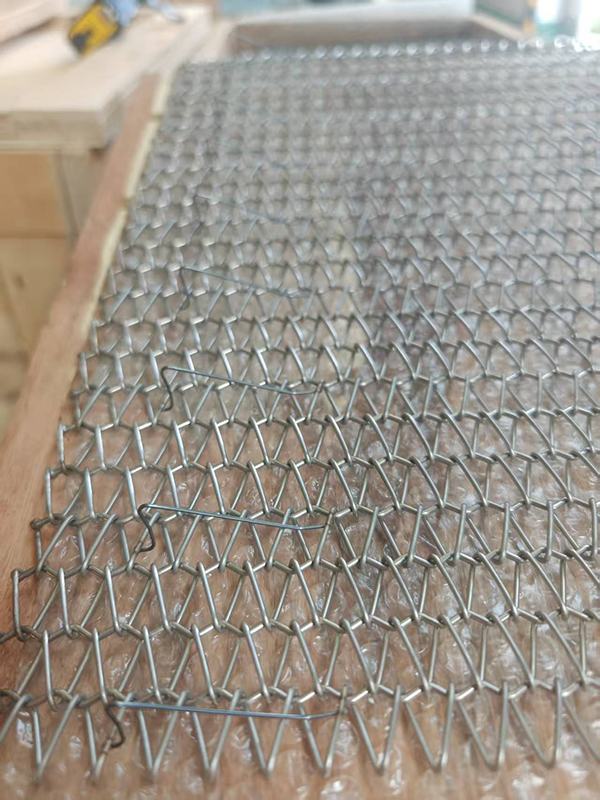
During the critical metallization contact firing phase, solar cells pass through high-temperature sintering furnaces. The choice, quality, and condition of the Metal Mesh Belt used to transport these fragile silicon wafers can make or break a manufacturer’s production margins.
1. Ensuring Thermal Uniformity and Eliminating Cold Spots
The metallization firing process requires precise control over rapid temperature spikes (often spiking up to 800°C–900°C for mere seconds) followed by controlled cooling. Silicon wafers are incredibly sensitive to thermal gradients. If a Furnace Belt lacks structural uniformity or exhibits uneven thermal mass, it creates localized "cold spots" across the belt surface.
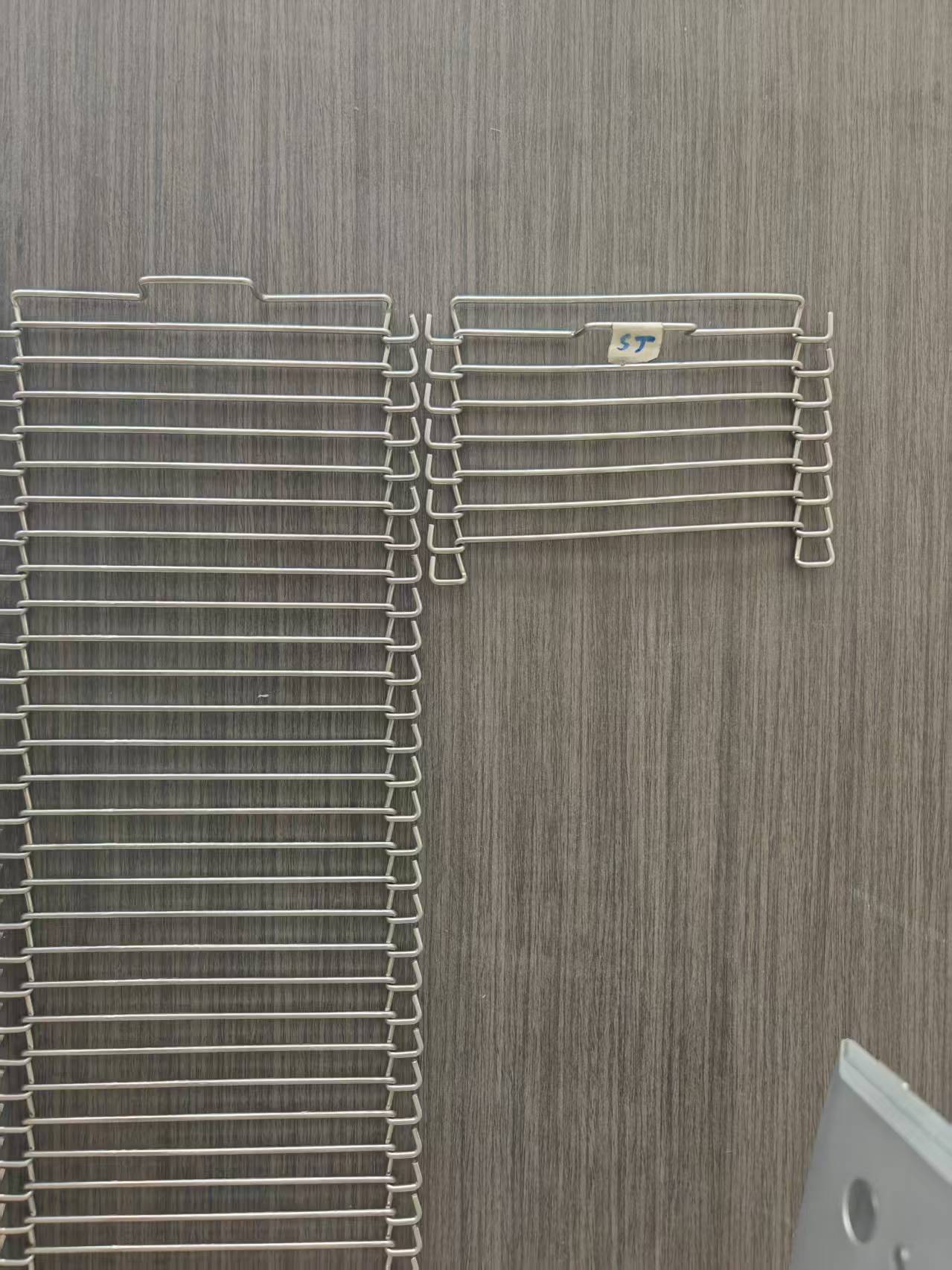
This uneven heat distribution leads to incomplete or over-fired silver/aluminum paste contacts on the solar cell. The result? Poor ohmic contact, reduced fill factors (FF), and a permanent drop in the cell’s overall conversion efficiency. Premium furnace belts are engineered with ultra-precise wire spacing and consistent material density to ensure perfectly uniform heat absorption and transfer across every millimeter of the wafer.
2. Preventing Cross-Contamination in High-Temperature Zones
At temperatures exceeding 800°C, material science becomes the defining factor in production yields. Standard metal alloys can undergo oxidation, scaling, or outgassing when subjected to continuous high-temperature thermal cycling. In a solar furnace, any microscopic airborne metallic flake or chemical impurity that flakes off a degrading belt can settle onto the active silicon surface.
This cross-contamination acts as a localized defect, causing severe shunting or carrier recombination centers that ruin the electrical performance of the cell. High-end solar furnace belts utilize specialized superalloys (such as specific grades of Inconel or high-nickel/chromium wires) that form a tight, protective oxide layer, guaranteeing a clean, zero-contamination environment inside the heating chamber.
3. Minimizing Vibrations to Protect Fragile Wafers
As solar wafers become progressively thinner to conserve silicon material, they become increasingly brittle. The mechanical stability of the conveyor system is critical. If a mesh belt stretches unevenly, tracks poorly, or experiences micro-vibrations during its travel through the furnace drive system, it can introduce micro-cracks into the silicon matrix.
Many of these micro-cracks are invisible to the naked eye and are only detected later during electroluminescence (EL) testing, resulting in costly scrap rates. A perfectly tracking, flat-surface mesh belt reduces physical stress on the wafers, maximizing mechanical yield.
4. Reducing Downtime and Total Cost of Ownership (TCO)
In solar manufacturing, a continuous-duty operation is paramount. Every hour a furnace is shut down to replace a stretched, warped, or broken belt costs tens of thousands of dollars in lost throughput. Investing in a furnace belt engineered specifically for the rapid thermal cycling of the PV industry ensures extended belt life, fewer tracking adjustments, and predictable maintenance schedules.