






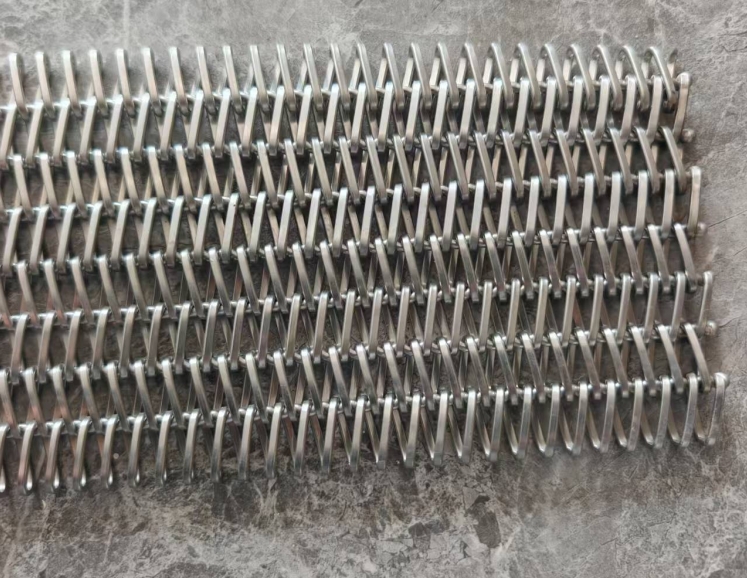
Solving Common Issues: Why Your Wire Mesh Belt is Slipping or Stretching
In a continuous production environment, a conveyor belt is often taken for granted—until it stops. For plant managers and maintenance engineers, few things are as frustrating as a Wire Mesh Belt that refuses to track straight, begins to slip on the drive drum, or seems to "grow" in length every week. These aren't just minor nuisances; they are early warning signs of mechanical fatigue that can lead to catastrophic line failure.
At Jiangsu Huada Metal Mesh Belt (Global Mesh Belt), we have spent over 30 years diagnosing conveyor issues for global clients in the food, Heat Treatment, and photovoltaic industries. If you are currently battling slipping or stretching, this guide will help you identify the root causes and implement long-term solutions.
It is a common misconception that wire mesh belts stretch like rubber bands. In reality, what we perceive as "stretch" is usually structural elongation caused by wear at the pivot points or material deformation.
If you are operating an annealing or sintering furnace at temperatures exceeding $800°C$, your belt might be experiencing "creep". This is the tendency of a solid material to move slowly or deform permanently under the influence of persistent mechanical stresses.
The Fix:You likely need a material upgrade. Standard stainless steels lose tensile strength rapidly as temperatures rise. Switching to an AshPro High-Temp Belt or an alloy like Inconel 601 provides the thermal stability needed to resist elongation under load.
In friction-driven belts, every time the belt travels around a pulley, the "spirals" rub against the "cross rods." Over millions of cycles, this friction grinds away the metal at the hinge point. Even a microscopic loss of metal on each rod adds up to several inches of total belt length over a long conveyor.
The Fix:Ensure proper lubrication (where process-permissible) or consider a Chain Drive Belt configuration. By moving the drive tension to the side chains, you take the "pulling" stress off the mesh, significantly slowing down hinge wear.
Slippage occurs when the drive pulley can no longer exert enough frictional force to move the belt and its load. This results in "jerky" movement, inconsistent heating/cooling times, and scorched or damaged products.
Most friction-driven conveyors rely on a gravity or screw-style take-up at the end of the line to maintain tension. If the take-up has reached the end of its travel, or if the weights are insufficient, the belt will go slack at the drive drum.
The Fix:- First, verify that your take-up unit is functioning freely. If it is, you may need to "shorten" the belt by removing a few sections of the mesh to bring the take-up back to its starting position.
In food processing or quenching applications, oils, fats, or water can act as lubricants between the belt and the drive drum.
The Fix:- Consider "lagging" your drive drum with a rubber or vulcanized coating to increase the coefficient of friction. Alternatively, moving to a Positive Drive system (using sprockets that engage with the mesh) eliminates the need for friction entirely.
A belt that is stretched unevenly will never track straight. If one side of the belt has been subjected to more heat or tension than the other, the "longer" side will move faster, causing the belt to drift toward the side with less tension.
If a belt is pulled too tight during installation to "force" it to track, it puts immense stress on the edges. This leads to edge bowing, where the center of the belt remains tight while the edges become wavy and stretched.
The Fix:At Global Mesh Belt, we recommend using a "relaxed" installation method. A belt should have just enough tension to move the load; over-tensioning is the leading cause of premature failure.
At www.globalmeshbelt.com, we don't just sell replacement belts; we engineer systems that prevent these issues from recurring. Our specialized designs address the most common failure points:
- AshPro Technology: Specifically engineered for the Photovoltaic industry to minimize rod distortion in high-precision sintering LID furnaces.
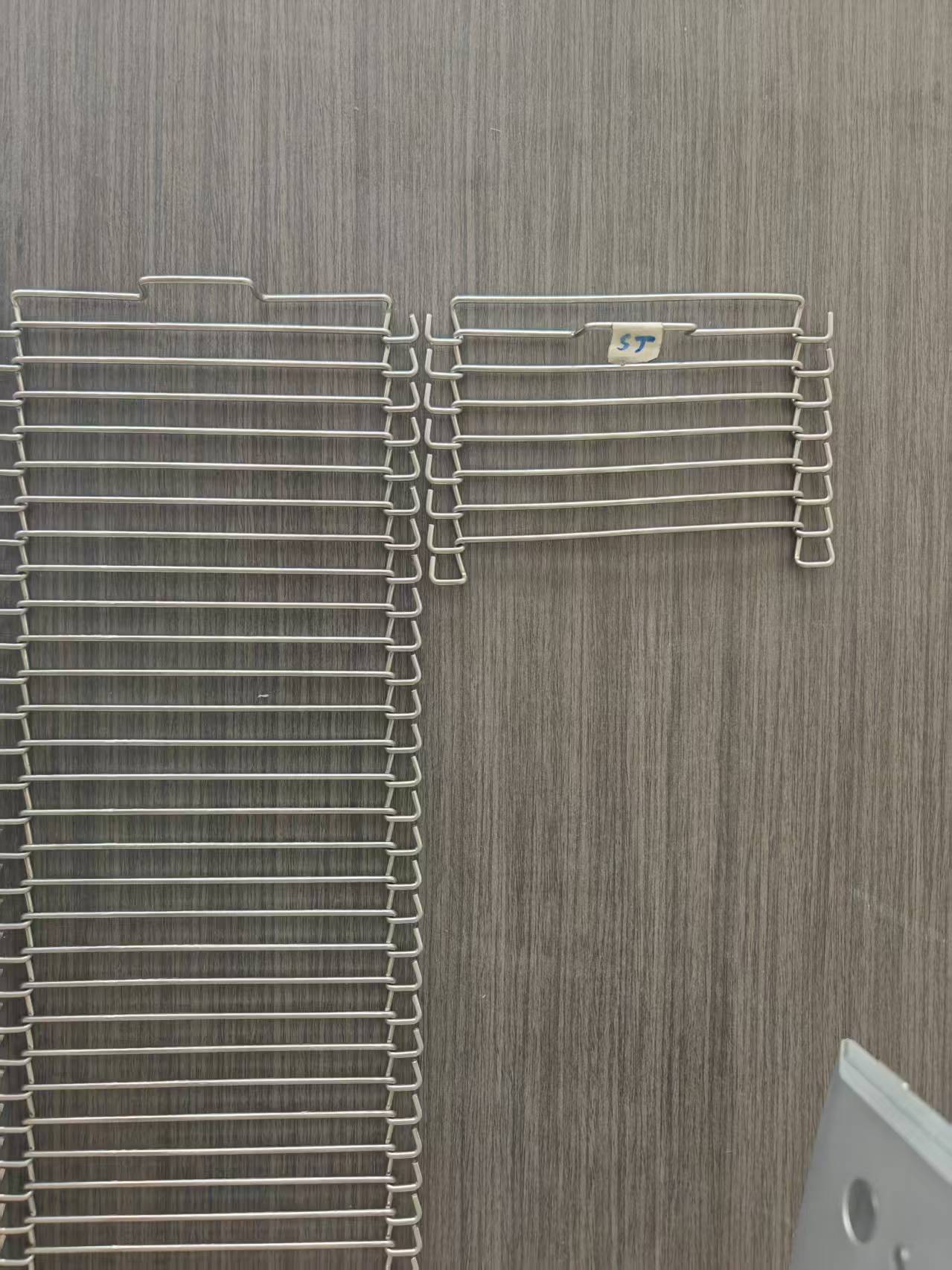
- Reinforced Edges: We offer welded, knuckled, and chain-link edges to ensure the structural integrity of the belt remains intact even under high-cycle stress.
- Custom Alloy Selection: From 304 stainless for hygiene to 35-19 Si for heavy-duty brazing, we match the chemistry of the belt to the chemistry of your environment.