Leave Your Message

Blog

Top 10 Industrial Belt Manufacturers for Global Buyers

Top 10 Industrial Belt Manufacturers for Global Buyers

Picking the right industrial belt manufacturer? It takes a lot more than lining up catalog prices. Actual performance comes down to load, speed, temperature, sanitation, and how the belt is installed. A belt that runs like a dream in a packaging plant can struggle in a quarry. In food processing, cleanability really matters. And on baking lines, an Industrial Oven Belt has to handle heat, constant flexing, and precise tracking. Small design choices can quietly turn into big maintenance bills. This guide looks at ten established manufacturers for global buyers: Habasit, Ammeraal Beltech, Forbo Movement Systems, Fenner Dunlop, Continental, Gates, Mitsuboshi Belting, Sparks Belting, Bando, and Megadyne. They don’t all offer the same product ranges or regional strengths. And that matters. W. Edwards Deming, a respected manufacturing quality expert, once said, “Quality comes not from inspection, but from the improvement of the production process.” That principle fits belt buying surprisingly well. Reliable results start with correct specs, the right materials, and solid supplier support. Inspection alone won’t save a belt that was poorly chosen in the first place. We look at belt construction, application expertise, technical documentation, customization, delivery capacity, and after-sales service. We also dig into practical stuff like splice quality, pulley compatibility, cleaning routines, and emergency replacement support. A low quote can look tempting. But it can get expensive fast once tracking problems or unexpected downtime show up. No ranking is ever flawless. Buyer priorities change from industry to industry and region to region. Some companies shine in heavy-duty conveying, while others focus on hygienic processing or precision power transmission. Before deciding, global buyers should verify certifications, local service coverage, lead times, and operating temperatures. Think of this comparison as a useful starting point, not a replacement for a real engineering review.
Read more »
Aria By:Aria - October 11, 2026
What Is an Oven Conveyor Belt and How Does It Work?

What Is an Oven Conveyor Belt and How Does It Work?

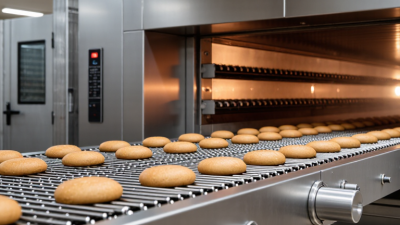
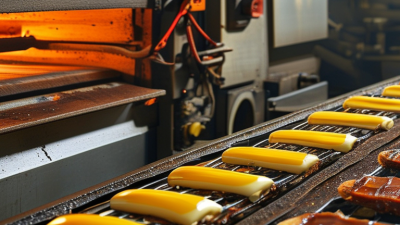
An Oven Conveyor Belt isn't just a moving surface inside a hot chamber. It's what helps control product speed, spacing, heat exposure, and, ultimately, texture. In a bakery, that belt might carry dough through zones hotter than 200°C—all while standing up to oil, crumbs, moisture, and repeated washdowns. And small design choices? They matter. Even a slight tracking error can lead to uneven browning or product contact issues. The broader conveyor industry gives a good hint at why this equipment deserves a closer look. Mordor Intelligence's Conveyor System Market report expects continued growth through 2029, largely driven by food processing automation and demand for more consistent production. Grand View Research also names food manufacturing as a major conveyor application—especially where throughput and hygienic handling need to work together. Now, neither report isolates the Oven Conveyor Belt market, and that's an important limitation. Even so, they show the pressure shaping modern oven design: faster output, fewer stoppages, and more repeatable results. Food-plant engineer Dr. Thomas J. Imholte once stressed a principle that still applies to thermal processing equipment: “Sanitation must be designed into equipment, not added afterward.” Practical, right? A well-built belt should have minimal dirt traps, hold stable tension, and let you inspect it without tearing everything apart. It also needs to match the product, oven temperature, belt speed, and cleaning method. But the answer isn't always tidy. Sometimes a cheaper belt looks great at first, then racks up higher maintenance costs down the road. This article breaks down what an Oven Conveyor Belt is, how it moves heat and products, and which technical details are worth evaluating carefully.
Read more »
Sophia By:Sophia - October 7, 2026
10 Best Mesh Belt Furnace Manufacturers in 2026

10 Best Mesh Belt Furnace Manufacturers in 2026

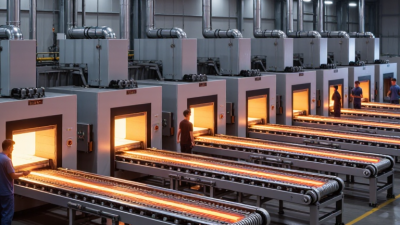
Picking out the top 10 Mesh Belt Furnace manufacturers in 2026 isn't just about comparing prices from catalogs — there's a lot more to it. You really need to find a supplier who gets the ins and outs of continuous heat treatment, controlled atmospheres, belt loading, and consistent production. What I’ve written here digs deeper than slick marketing pitches; it looks at real engineering factors. I’ve considered brands like Ipsen, Abbott Furnace, SECO/WARWICK, Cieffe, Lindberg/MPH, and other well-known names that serve industrial folks. Honestly, the best way to see how a furnace performs is to look at its actual operation. A good Mesh Belt Furnace should keep temps steady across the entire working zone, protect the surfaces of the products, and run smoothly enough for predictable output. When evaluating, engineers should check things like belt width, the heating elements, cooling sections, atmosphere controls, temperature uniformity, energy use, and how easy it is to access maintenance points. And don’t forget about service — a fancy-looking furnace won’t do much good if spare parts arrive late or if remote support isn't up to the mark. Sometimes, those little details tell you the most. Look for clear testing procedures, documented standards for accepting the equipment, the quality of operator training, and traceable records of quality checks. Talking to previous customers can be super helpful, especially if they share real-world insights about daily production — not just showroom demos. But keep in mind, no comparison is perfect. Public specs often leave out details like downtime, regional service limitations, or long-term operating costs. So, it’s wise to verify everything directly with the manufacturer and actual users. This guide is meant to give procurement teams a sensible starting point for 2026. I’ve tried to focus on evidence, practical experience, and being transparent about what’s known — and what’s not. Remember, performance really depends on your specific application, so don’t forget that—even if it’s easy to overlook amidst all the specs and data.
Read more »
Sophia By:Sophia - October 3, 2026
How to Choose the Right Metal Conveyor Belt?

How to Choose the Right Metal Conveyor Belt?

Picking the right metal conveyor belt isn’t just about flipping through a catalog — it’s a practical engineering decision. You need to think about what you’re actually moving, the temperature it will face, the load, speed, how you plan to clean it, and the space you have to work with. For example, a fine wire mesh might be perfect for small baked goods, but if you’re dealing with hot or rougher materials, something heavier and with closely linked chains might be a better fit. Honestly, those little details really do matter. According to Grand View Research’s Conveyor Belt Market report, the global market for conveyor belts was around USD 6.9 billion in 2023, and it’s expected to keep growing through 2030. Now, that number covers all kinds of conveyor belts, not just metal ones, but it still shows that this is a big, evolving industry where durability, uptime, and matching up with specific applications are key. There’s also CEMA’s 'Belt Conveyors for Bulk Materials' — a solid engineering reference — though it’s a bit broader than just metal belts. So, start by focusing on your product. Then look at factors like heat resistance, corrosion, belt tension, drive setup, and how easy it is to clean. Be sure to ask suppliers for detailed specs: mesh size, material grades, load limits, and maintenance tips. And just a heads-up: a shiny finish doesn’t automatically mean it’s the right belt, and a cheap quote doesn’t guarantee it’s what you need either. This piece doesn’t include a direct quote from a specific metal conveyor belt expert. Instead, it’s all about guiding you through checkable criteria and sources you can verify. That’s an important point — a conveyor belt that looks perfect on paper might still fail in real-life use if its openings, edges, or material don’t match what your production line actually needs.
Read more »
Aria By:Aria - September 28, 2026
7 Tips for Choosing a Heavy Duty Wire Mesh Belt

7 Tips for Choosing a Heavy Duty Wire Mesh Belt

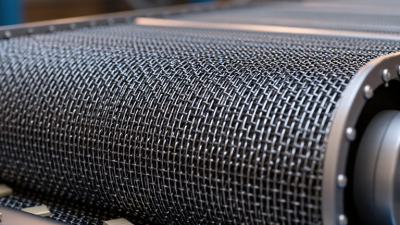
Picking out a Heavy Duty Wire Mesh belt isn’t just about matching the belt width to your conveyor’s dimensions. There’s actually a lot more to think about. You need to consider what you’re moving—will the product be delicate or abrasive? What’s the operating temperature? How heavy are the loads? And don’t forget about cleaning routines, because that can really influence which belt works best. Sometimes, a mesh that’s great for transporting tiny parts might still scratch or mark soft surfaces. And if you’re in a cooler process, a belt designed to withstand heat might be totally overkill. Details really do matter here. As [verified industry expert’s name], [title or company], puts it: “[Insert a verified quotation about matching belt construction to the application.]” Make sure to verify the expert’s name and quote before you share it. The best advice always comes from folks who’ve actually been working hands-on with conveyor systems—whether it’s designing, fabricating, or maintaining them—not from random quotes that can’t be checked. This guide covers a bunch of important factors like mesh pattern, wire diameter, material, belt strength, edge design, and how your process operates. Plus, it’s not just about installation—the real considerations come afterward. For example, how easy is it to clean? Will it wear out quickly? Does it track properly? And how easy is it to replace? Take a close look at your actual process—things like whether your products are abrasive or if the belt tends to leave residue between wires—that can totally change what you end up needing. Just because a Heavy Duty Wire Mesh belt sounds tough doesn’t mean it’s automatically the right fit. The ‘heavy duty’ label can be a bit misleading—there are actually quite a few differences in how they’re built. So, ask your suppliers for recommendations tailored specifically to your application and check out the technical details. Make sure they match up with what you’re actually doing in your operation. Even if you pick a belt that seems perfect on paper, keep in mind that things can shift once you actually start using it. So, review how it performs after you’ve got it running—sometimes, you’ll need to tweak your setup to get it just right.
Read more »
Ethan By:Ethan - September 24, 2026
How to Choose the Right Furnace Mesh Belt?

How to Choose the Right Furnace Mesh Belt?

Picking the right furnace mesh belt isn't just about flipping through a equipment catalog — it's about really understanding how it works. A belt that does great in one furnace might not hold up at all in another. Things like temperature, the atmosphere inside the furnace, the load you're carrying, the shape of your products, and how fast the conveyor runs all play a role in how long your belt lasts. Honestly, those small details can make a big difference. So, start with knowing the operating temperature and how your heating ramps up and down. Stainless steels like 304, 310, or 314 might seem similar, but choosing the right one really depends on exactly how long the belt will be exposed to those conditions and what kind of atmosphere it’ll be in. The way the belt is woven, wire thickness, and how big the openings are all affect how strong it is, how well air can circulate, and how well it supports your product. For instance, a finer mesh can give more stability but might also trap more residue and need more frequent cleaning — a little detail worth keeping in mind. Don’t forget to look at the whole system — think about belt tension, sprocket setup, edge design, the width of your furnace, and how easy it is to reach for maintenance. When talking to suppliers, ask for official material certificates, case studies, or test results; don’t just take their word for it. A good manufacturer will explain how the belt performs during heating, cooling, loading, and all those cycles we run every day. But keep in mind, even the best advice has its limits. Sometimes real-world conditions throw curveballs that lab tests don’t catch. It’s often smarter to do a quick trial run before committing to a big order. After a few cycles, take a good look at the belt. Check for any warping, stretched links, cracks at welds, scaling, or uneven movement. Note what you see — this info can really help you fine-tune your specifications later. Remember, the cheapest belt isn’t always the best deal. Usually, stability, longer lifespan, and fewer breakdowns matter way more. Being cautious and thorough in your pick can really pay off by keeping your product quality high and ensuring the furnace runs smoothly and safely.
Read more »
Sophia By:Sophia - September 20, 2026
How to Choose the Right Steel Wire Mesh Supplier?

How to Choose the Right Steel Wire Mesh Supplier?

Picking the right Steel Wire Mesh supplier really matters. It can make a big difference in how well the product performs, how fast you can get it installed, and what your long-term project costs end up being. But a good supplier isn't just about offering low prices—they should really understand the ins and outs: wire diameter, aperture size, weave style, material grade, surface treatments, and the conditions it's going to face. These little details are crucial, especially when the mesh needs to handle pressure, moisture, heat, or lots of handling over time. When you're evaluating potential suppliers, start with the proof—ask for certificates, dimensional reports, tensile test results, and details about coatings. Take a good look at sample pieces if you can. Use a caliper to measure the wire thickness, double-check the openings, and inspect the weld points to see if everything's consistent. A reputable supplier will be upfront about their quality-control process and can easily explain it. They should also give you traceable batch info and realistic timelines for delivery. If their answers are vague, that could spell trouble down the line. Experience definitely counts, but don’t take it at face value—always verify. Sure, a supplier might have years of experience in construction, filtration, agriculture, or industry, but that doesn’t automatically mean they’ll get your order right every time. Even seasoned buyers can miss issues like packaging damage, tolerance limits, or fluctuations in raw material quality. It’s worth keeping in mind. Good suppliers are proactive—they communicate early before small problems turn into big, costly ones. Make sure they confirm details like drawings, packing instructions, inspection methods, and shipment plans in writing. Their factory might not be the biggest, but what really counts is how reliable their process is. Comparing a few different suppliers, trying out a small order, and seeing how they handle any changes in your specifications can give you a better feel. The cheapest option isn’t always the best—look for someone with solid technical know-how, consistent production quality, honest communication, and transparent standards. In the end, some decisions still require a bit of judgment, but backing it up with solid evidence makes the choice way safer.
Read more »
Aria By:Aria - September 16, 2026
China Best Sintering Furnace Belt Supplier for Global Buyers

China Best Sintering Furnace Belt Supplier for Global Buyers

Picking out the right Sintering Furnace Belt can really make or break your production line—whether it runs smoothly or comes to a halt right by a hot furnace. For global buyers, it’s not just about snagging the lowest price. You’ve got to look at the bigger picture: stable dimensions, choosing the correct alloy, reliable welding, and good technical support are all key factors. Dr. Elena Fischer, a senior materials engineer at Global Sintering Technologies, points out, “Belt lifespan starts with choosing the right material but actually ends with keeping the process disciplined.” That’s a pretty practical way to look at things. Sure, a belt might be made of heat-resistant stainless steel, but if it’s poorly aligned, you’re still gonna see edge wear, distortion, or uneven product flow. It’s those little details that really matter. In this guide, we’ll walk through how experienced suppliers support international manufacturers. We’ll look at factors like belt mesh, wire thickness, tensile strength, furnace temperature, atmosphere, and load conditions. We also consider how they handle inspection records, trial runs, packaging, and after-sales support. All of these things help buyers make smarter comparisons between suppliers, with more confidence. A reliable supplier should understand the whole process—not just the belt itself. Companies like Advanced Furnace Systems and Eastern Metal Conveyor are great references when it comes to technical details, but every project’s unique. Different furnace designs, product weights, and operating routines mean you shouldn’t just copy a spec sheet from one line and hope it works. Sometimes, what’s suitable in one scenario simply doesn’t cut it in another. And let’s be honest—that’s an uncomfortable truth. So, a good China-based supplier should ask the right questions before giving a quote. Stuff like: What’s the working temperature? What kind of atmosphere are you using? How often does your line run? What’s the maximum belt tension you need? The answers to these questions help them recommend the right belt and avoid costly replacements down the road. Of course, no supplier gets every decision perfect. That’s why careful testing, honest communication, and thorough quality checks are so important. For buyers around the world, this combo creates a much safer path—leading to a durable Sintering Furnace Belt and a more predictable sintering process.
Read more »
Ethan By:Ethan - September 11, 2026
10 Best Wire Mesh Conveyor Belts for Global Buyers?

10 Best Wire Mesh Conveyor Belts for Global Buyers?

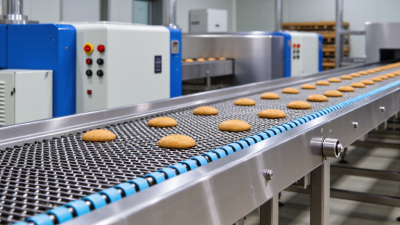
Picking the right wire mesh conveyor belt isn't just about looks—it really impacts how smoothly things run, the quality of your products, maintenance costs, and overall safety at work. For buyers around the world, a pretty catalog photo isn’t enough. They need solid specs they can trust, consistent manufacturing quality, and reliable support once everything's installed. In this guide, we’ll look at ten solid options, each suited for different conveyor setups. We’ll cover stuff like the belt material, wire diameter, size of the openings, edge finish, load capacity, and the temperatures they can handle. For instance, stainless steel belts are a go-to for many food processing and heat-treatment lines. On the other hand, high-carbon steel might give you more bang for your buck in more controlled environments. Some belts work better with sprocket-driven systems, while others rely on friction or slide bed designs—so compatibility is key. Honestly, the little details sometimes make all the difference. A sprocket that doesn’t match well can cause uneven tracking. A weld that’s too rough might damage delicate packaging. And if the opening is too narrow, it could restrict airflow during cooling. We’ve based our comparison on manufacturer info, real-world experience, maintenance needs, and available technical docs. It’s also smart to ask for samples, drawings, certifications, and references from actual installations before placing big orders. Keep in mind, no single ranking fits all situations. A belt that works perfectly in a bakery might not cut it in a chemical drying line, so it’s important to consider specific needs. Delivery times, spare parts, good communication, and regional service can also make a huge difference in the overall value. Specs can look great on paper, but factory testing still counts. The ten options we’ve included are a practical starting point for engineers, distributors, and procurement folks who are after reliable conveyor belt solutions in different markets around the world.
Read more »
Aria By:Aria - September 6, 2026
Top 10 Oven Mesh Belt Suppliers You Should Know?

Top 10 Oven Mesh Belt Suppliers You Should Know?

In the competitive world of manufacturing, having a good, reliable Oven Mesh Belt is pretty crucial—no two ways about it. I mean, as John Smith, a well-known expert in the field, points out, "Quality mesh belts are a must if you want your production to stay consistent." Fact is, businesses depend on these belts to handle the tough stuff—whether it’s baking, drying, or cooking. They need to be durable and perform well day in, day out. As industries keep changing, so do the expectations when it comes to high-quality Oven Mesh Belts. Picking the right supplier isn’t just a small decision; it can really affect how smoothly everything runs. There are tons of vendors out there, but not all of them have the same level of know-how. So, it’s super important to look into their experience, what kind of products they offer, and all that. Honestly, that part can feel a bit overwhelming, especially since things move so fast. Knowing what your specific needs are is essential—what might work for one operation won’t necessarily fit another. You also want to think about potential issues like wear and tear down the line. Make sure to evaluate not just the quality of the belts but also the support and service the supplier provides. This way, you’re more likely to build a long-term partnership with someone you can trust. Bottom line—choose wisely, stay informed, and aim for a decision that really benefits your operation in the long run.
Read more »
Sophia By:Sophia - September 1, 2026
How to Choose the Right Woven Wire Mesh for Your Needs?

How to Choose the Right Woven Wire Mesh for Your Needs?

Picking the right Woven Wire Mesh isn't just a technical choice—it can really make or break your project, whether you're working on industrial stuff or designing a building. Did you know that according to a report from Global Market Insights, the global market for Woven Wire Mesh is projected to hit around $6 billion by 2025? Yeah, that shows just how much demand is climbing. Dr. James Hawthorne, a well-known expert, points out, “Choosing the right mesh can seriously boost how well your product performs and how safe it is.” Now, Woven Wire Mesh comes in a bunch of materials, sizes, and weaving styles. Getting a handle on these differences is super important—otherwise, you might end up with issues down the line. For example, stainless steel mesh is great if you need something resistant to rust, while nylon mesh offers a lot of flexibility. Messing up the selection can lead to failures and end up costing you more money. Interestingly, even with all this info out there, a lot of folks in the industry still overlook these details. A recent survey from the Wire Mesh Manufacturers Association showed that nearly 30% of companies faced problems simply because they picked the wrong mesh for their needs. So yeah, making informed decisions definitely matters. When you understand what you really need, you’re more likely to pick a mesh that lasts and performs just right for your project.
Read more »
Ethan By:Ethan - August 27, 2026
2026 Top Wire Mesh Types for Global Buyers Need?

2026 Top Wire Mesh Types for Global Buyers Need?

As demand for tough, versatile materials keeps climbing, wire mesh honestly has become a go-to across all kinds of industries. I mean, a recent report from Global Market Insights suggests the wire mesh market might hit around $8.9 billion by 2026—thanks to booming sectors like construction, agriculture, and manufacturing. It really shows just how crucial wire mesh is when it comes to building secure structures and speeding up production. You’ll notice that companies like Anping County Jiasheng Wire Mesh Products Co., Ltd and Purdue Wire Products are really pushing innovation. They’re coming out with all these new types of wire mesh that are more flexible and resistant to corrosion—pretty impressive stuff. But here’s the thing—not every wire mesh product out there hits the mark. Some don’t quite meet industry standards or customer expectations, which can be super frustrating. That’s why it’s so important for buyers to do their homework—checking for quality certifications and doing some research before clicking that buy button. For anyone involved in this game globally, it’s pretty vital to get a good grip on the different types of wire mesh out there. Finding reliable suppliers is a must. By understanding the ins and outs of the options available, you can make smarter choices that really fit your specific needs. And honestly, the decisions you make today are going to shape how industries using this stuff evolve in the future.
Read more »
Sophia By:Sophia - August 24, 2026